
Spot the cheap price. Squeeze the handle. Wonder what that fuel is really doing inside the engine. Modern engines don’t tolerate weak fuel chemistry. Turbos raise heat fast. Direct injection leaves carbon behind. Tight tolerances mean small deposits turn into rough idle, knock, and lost efficiency over time.
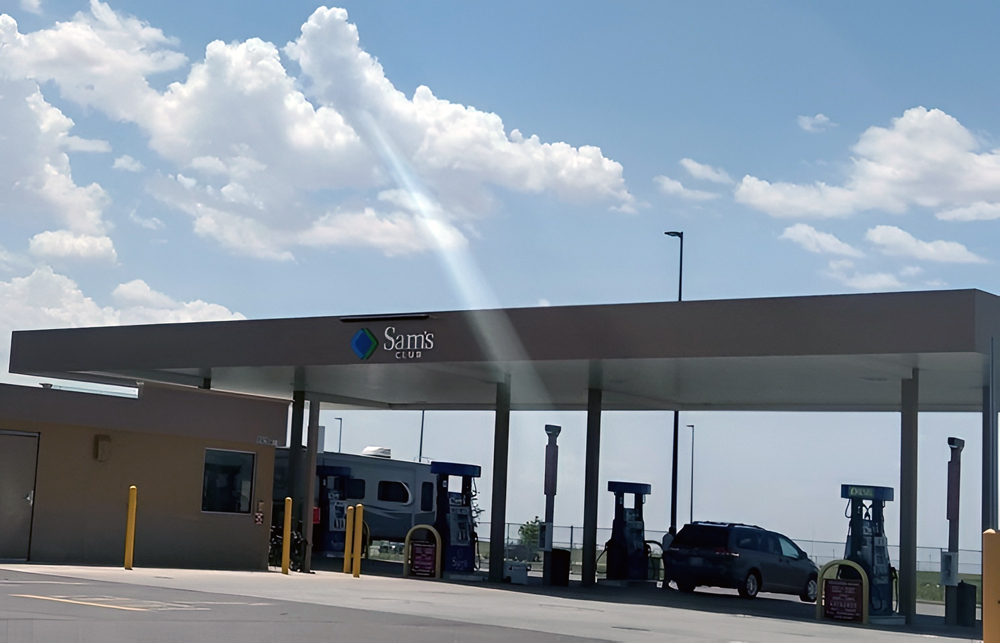
Sam’s Club gas meets federal rules and runs safely in any road car. It follows EPA detergent requirements under 40 CFR Part 79 and 40 CFR 80, the legal baseline for fuel sold in the U.S. But it does not carry TOP TIER certification, which marks the higher detergent standard pushed by major automakers.
That gap matters. Testing shows low-detergent fuel can leave up to 19× more intake-valve deposits over time. The price looks good at the pump. The real question shows up inside the engine.
1. Set the baseline first, what the law requires versus what engines actually need
Start with the legal floor, every gallon must meet EPA detergent rules
All pump gas in the U.S. must meet federal additive standards. The EPA requires registered detergent packages under 40 CFR Part 79 and 40 CFR 80. These rules prevent heavy fouling and keep emissions systems alive.
Sam’s Club gas clears that bar. It is approved for road use and safe for modern engines. Claims that warehouse fuel is “unregulated” don’t hold up under federal law.
The system targets emissions control, not long-term engine cleanliness. That leaves a gap between legal fuel and optimized fuel.
Find the real split, minimum detergent versus TOP TIER chemistry
Sam’s Club fuel runs at the Lowest Additive Concentration (LAC) level. That meets the EPA requirement and nothing more.
TOP TIER fuel raises detergent levels 2× to 5× above that baseline. Automakers built that program after seeing deposit issues in real engines. It also blocks certain additives linked to catalyst damage.
This is where performance separates. One fuel protects against basic fouling. The other targets long-term deposit control under heat and load.
Stop calling it good or bad, match it to engine design and stress level
Port-injected engines handle lower detergent fuel better. Fuel sprays the intake valve and washes deposits away. These engines tolerate LAC fuel without major buildup.
Direct-injected engines lose that cleaning effect. Fuel enters the cylinder, not the valve. Deposits build faster on the intake side, especially after 50,000 miles.
Turbocharged engines raise cylinder pressure and heat. That increases sensitivity to deposits and knock. Lower detergent fuel leaves less margin before performance issues appear.
2. Watch deposits build, this is where cheap fuel turns into real engine behavior
Follow the data, low-detergent fuel leaves heavy intake deposits fast
AAA ran controlled testing using ASTM D6201 procedures. Engines ran 4,000 simulated miles on different fuels. The result showed non-enhanced fuel left up to 19× more intake-valve deposits.
That buildup is not cosmetic. Carbon sticks to valve backs and disrupts airflow. Air velocity drops, fuel mixing gets uneven, and combustion loses efficiency.
Cold starts get rough first. Idle starts to shake around 600–800 rpm. Long term, fuel trims drift positive as the ECU chases lost airflow.
Track what deposits actually do inside a running engine
Deposits act like insulation on hot metal. They hold heat in the chamber and raise local temperatures. That increases knock risk under load, especially in turbo engines.
Fuel droplets hit carbon and get absorbed. Some fuel never burns cleanly. That leads to incomplete combustion and higher HC emissions.
Drivers notice hesitation on tip-in. Throttle response lags, then surges. In severe cases, misfires show up under load with codes like P0300.
See why modern engines suffer faster than older designs
Port-injected engines wash intake valves with fuel. That slows carbon buildup even with weaker detergents. Many older engines run 150,000 miles without major intake cleaning.
GDI engines skip that wash cycle. Oil vapor from the PCV system coats the valves instead. Carbon layers build faster, often visible by 40,000–60,000 miles.
Turbo engines add heat and pressure. Intake temps rise, and deposits harden quicker. Walnut blasting or chemical cleaning becomes common by 70,000–100,000 miles, often costing $300–$800.
3. Follow the fuel path, the base gas is shared, the additives decide everything
Track where gasoline actually comes from before it hits the pump
Refineries produce base gasoline to a common spec. That fuel moves through shared pipelines across regions. Different brands often pull from the same supply stream.
A Sam’s Club tanker and a major-brand tanker can load identical base fuel. The hydrocarbons are already standardized before branding enters the picture. The refinery source rarely defines real-world performance.
The difference shows up later in the chain. It happens at the terminal, not the refinery.
Watch the rack injection point, this is where fuel quality splits
Fuel leaves the terminal through a loading rack system. Additives get injected into the tanker during this step. The exact package depends on the retailer’s contract.
Sam’s Club uses a basic EPA-compliant additive mix. That keeps cost per gallon low and meets legal standards. It does not load the heavier detergent packages tied to TOP TIER fuels.
Major brands inject proprietary additives at higher concentrations. That includes stronger detergents and deposit-control chemistry. This step defines long-term engine cleanliness.
Compare warehouse fuel directly, Costco proves the additive gap clearly
Costco pulls from the same shared fuel network in many regions. The base gasoline can match what Sam’s Club receives. The separation happens at the additive stage.
Costco carries TOP TIER certification across all grades. That means higher detergent loading and stricter additive rules. Sam’s Club does not appear on the licensed list.
Two pumps can dispense similar base fuel with different chemical packages. One protects against long-term deposits better. The other meets minimum compliance and saves cost per gallon.
4. Check the station itself, clean tanks and fast turnover decide what reaches the injectors
Watch fuel turnover, high volume keeps gas fresh and stable
Sam’s Club stations move large fuel volumes daily. Many locations cycle through 10,000 gallons or more.
Fresh fuel matters with ethanol blends. E10 absorbs moisture over time and degrades. High turnover limits oxidation and phase instability.
Old fuel causes hesitation and poor starts. Fresh fuel maintains volatility and proper combustion behavior.
Track water intrusion, this is where fuel quality fails fast
Ethanol pulls moisture from the air. Water collects at the bottom of storage tanks. Once saturation hits, phase separation occurs.
The alcohol-water mix separates from gasoline. That mixture gets pulled into the fuel system first. Engines stumble, stall, or fail to start.
Documented cases show pumps shut down after heavy rain contamination. Water in fuel can damage injectors and high-pressure pumps within minutes.
Read the pump behavior, slow flow signals filtration problems
Fuel dispensers use inline filters to trap debris and water. These filters clog over time, especially in high-volume stations.
A slow pump often means the filter is loaded. Flow drops, and pressure at the nozzle falls. That signals maintenance lag or contamination buildup.
Clean systems deliver fast, steady flow. Poor filtration allows particles through, which wear injectors and fuel pumps under high pressure.
5. Match the fuel to the engine, some setups shrug it off, others don’t
Run it in port-injected engines, they tolerate lower detergency better
Port injection sprays fuel onto the intake valve. That constant wash removes soft carbon before it hardens. Deposits build slower even with basic detergent levels.
Older V6 and inline engines handle this well. Many reach 150,000 miles without intake cleaning. Fuel choice has less impact on long-term airflow.
Cold starts stay stable. Idle remains smooth unless ignition or vacuum issues appear.
Push it into GDI engines, deposits show up faster and hit harder
Direct injection sprays fuel straight into the cylinder. Intake valves never see that fuel wash. Oil vapor from the PCV system coats the valves instead.
Carbon builds in layers by 40,000 to 60,000 miles. Airflow drops, and turbulence increases. Engines start to hesitate under light throttle.
Misfires can show under load with codes like P0301–P0304. Intake cleaning becomes routine service, often $300 to $800 per visit.
Add boost pressure, turbo engines tighten the margin further
Turbochargers raise intake pressure and combustion heat. Cylinder temps climb past 2,000°F under load. Deposits harden faster and resist burn-off.
Knock control pulls timing when deposits build. Power drops, and fuel economy slips. Drivers feel lag, then a sudden surge as boost comes in.
Low-speed pre-ignition risk increases in carbon-heavy chambers. That can lead to piston damage in extreme cases.
Separate octane from detergency, they solve different problems
Octane controls knock resistance under compression. Detergents control deposit buildup over time. These two systems do not overlap.
Sam’s Club premium meets required octane ratings. It protects against knock when the engine demands 91 or 93. It does not increase detergent strength to TOP TIER levels.
Engines that need premium still run safely. Long-term cleanliness depends on additive strength, not octane rating alone.
6. Track real failure patterns, where fuel quality actually shows up in repairs
Follow injector wear, deposits change spray before they trigger codes
Injector tips face constant heat cycles. Deposits form at the nozzle edge first. Spray pattern shifts from a fine cone to uneven streams.
Combustion loses balance cylinder to cylinder. Fuel trims drift positive as the ECU adds fuel. Early stages rarely set a code.
Drivers feel a slight surge at steady speed. Full failure leads to misfires and codes like P0171 and P0300.
Watch intake valve carbon, airflow drops long before warning lights
GDI engines trap oil vapor on intake valves. Carbon builds layer by layer. Airflow restriction starts before visible symptoms.
Cold starts turn rough around 40,000 to 60,000 miles. Idle dips and recovers as airflow stabilizes. Throttle response feels delayed.
Walnut blasting restores flow but adds cost. Most services land between $400 and $900 depending on access and labor time.
Track high-pressure fuel pump stress, contamination hits fast and hard
High-pressure pumps run at 500 to 3,000 psi. Internal clearances sit in microns. Small debris scores the pump surface quickly.
Water contamination removes lubrication from internal parts. Metal shavings spread through the system. Injectors and rails get contaminated.
Failures often show codes like P0087 for low rail pressure. Full system repair can reach $2,000 to $5,000 once metal spreads.
Monitor fuel trims and knock correction, the ECU shows early warning signs
Modern ECUs adjust fuel and timing in real time. Long-term fuel trims reveal injector and airflow issues. Values beyond +10% signal imbalance.
Knock sensors pull timing when combustion becomes unstable. Power drops under load without a visible warning. Data logs show timing correction spikes.
Scan tools expose these changes early. Ignoring them leads to performance loss and higher repair costs within 10,000 miles.
7. Put real costs on it, cheap fuel savings shrink fast under repairs
Calculate pump savings, the price gap looks bigger than it pays
Sam’s Club often undercuts TOP TIER stations by $0.10 to $0.30 per gallon. A 15-gallon fill saves $1.50 to $4.50.
Over 12,000 miles, savings land around $60 to $180 depending on fuel economy. That assumes consistent price gaps and steady driving habits.
The margin looks strong at the pump. It shrinks once maintenance and cleaning enter the picture.
Price injector and intake cleaning, deposits turn into scheduled service
Injector cleaning services run $150 to $300. Severe cases require removal and bench cleaning or replacement.
Intake valve cleaning on GDI engines costs $400 to $900. Labor drives the price due to manifold removal and access limits.
These services often appear by 50,000 miles with lower detergent fuel. Skipping them leads to misfires and airflow restriction.
Compare fuel system repair costs, contamination escalates quickly
Fuel pumps and injectors fail as a system once debris spreads. One bad component rarely stays isolated.
High-pressure pump replacement alone runs $800 to $1,500. Full system contamination pushes totals to $2,000 to $5,000.
Water intrusion events accelerate this failure path. One contaminated tank can trigger complete fuel system teardown.
Balance short-term savings against long-term maintenance cycles
Fuel savings stay predictable per fill. Maintenance costs arrive in spikes, not smooth intervals.
Engines with port injection absorb the difference better. GDI and turbo setups show costs sooner.
Over 100,000 miles, cleaning and repair costs can exceed fuel savings by 2× to 5×.
8. Decide where it works, match usage patterns to fuel limits
Daily commuting with port injection, low risk and stable operation
Short trips and steady driving keep load low. Port-injected engines clean their own intake valves. Deposits build slower and stay soft.
Fuel trims stay within ±5% under normal conditions. Idle remains stable even with basic detergent levels.
Owners often see consistent performance past 120,000 miles. No forced cleaning cycle appears unless other faults develop.
Mixed driving with GDI engines, maintenance shows up mid-cycle
City and highway mixes raise intake temperatures. Oil vapor coats intake valves faster under variable load. Deposits begin affecting airflow by 40,000 miles.
Cold starts turn uneven. Throttle response delays during tip-in. Fuel trims drift toward +8% to +12%.
Cleaning becomes part of maintenance. Skipping it leads to misfires and reduced fuel economy within one service interval.
Heavy load and towing, heat accelerates every weakness
Towing pushes cylinder pressure and fuel demand. Combustion temperatures spike above 2,000°F under sustained load. Deposits harden and resist burn-off.
Knock sensors intervene more often. Timing pulls reduce power output during climbs. Drivers feel hesitation under steady throttle.
Fuel system stress increases. Pump duty cycles rise, and injector wear accelerates under continuous high flow.
Long-term use past 100,000 miles, small gaps turn into repair cycles
Minor deposit buildup compounds over time. Injectors lose precision, and airflow drops slowly. Performance decline becomes gradual, then noticeable.
Fuel system components reach wear limits sooner. Cleaning intervals shorten, and parts replacement becomes more likely.
Cost patterns shift from occasional service to repeated intervention. Total fuel system work can exceed $3,000 by 150,000 miles.
Sources & References
- List of Registered Diesel Additives – Environmental Protection Agency (EPA)
- List of Registered Gasoline Additives – Environmental Protection Agency (EPA)
- Alphabetical List of Registered Gasoline and Diesel Additives – Environmental Protection Agency (EPA)
- Best Gas for Cars: Is Top-Tier Gas The Best? | AAA Automotive
- If you don’t get Costco gas, reminder that it can add up and perhaps you should – Reddit
- Top tier, brand name gas vs no name – Page 2 – BMW 3-Series and 4-Series Forum (F30 / F32) | F30POST – Bimmerpost
- Gasoline Quality: More Than Just Grade Levels – AAA Fuel Prices
- AAA: Not All Gasoline Created Equal
- Proprietary research into the effectiveness of fuel additive packages in commercially-available gasoline – AAA
- Whose Gas Is Cheapest – Costco, Sam’s Club, or BJ’s? – The Krazy …
- Costco vs. Sam’s Club: Which Saves You More Money in 2026 …
- TOP TIER™ Station Finder
- Fuel Stations – Top Tier Gas
- TOP TIER™ Gasoline Brands – TOP TIER™ – Top Tier Gas
- VERIFY: Sam’s Club and Costco gas is not the same quality – YouTube
- Is Sam’s Club fuel comparable to Costco fuel? : r/samsclub – Reddit
- Sam’s Club gas (not top-tier) okay or not okay? : r/Audi – Reddit
- AUTOMOTIVE ENGINEERING – AAA
- Do yall use the “Top Tier Gasoline” in your 18-24 hybrids? Is it important? : r/Camry – Reddit
- BJ’s Gas Detergent content / TopTier? : r/BJsWholesaleClub – Reddit
- Top Tier Gas
- VP Racing Madditive Fuel System Cleaner (9-pack/16oz bottles) – Samsclub.com
- Techron Fuel Injector Cleaner 6/12oz bottles – Samsclub.com
- Techron Complete Fuel System Cleaner 6/12oz bottles – Samsclub.com
- Techron High Mileage Fuel System Cleaner 6/12oz bottles – Sam’s Club
- Sam’s club 91 premium good? Or stick to Chevron 89? 5.7 hemi. : r/Dodge – Reddit
- Is Sam’s Club premium gas bad for BMW – Reddit
- Where our gasoline comes from – U.S. Energy Information Administration (EIA)
- How does my fuel get to the pump? – Cenex
- Is Costco gas better than Sam’s Club? – Quora
- ELI5: is there any difference in the gasoline sold by big chain gas stations and little ones? – Reddit
- Gasoline: Brand Name vs No Name – BMW X5 and X6 Forum (F15/F16) – BIMMERPOST.com
- Energy Businesses – FJ Management
- BJ’s Gas Source? Top Tier? : r/RhodeIsland – Reddit
- Beyond Compliance: The Real-World Best Practices for Fuel Storage and Maintenance
- Best Practices for Effective Fuel Tank Cleaning and Maintenance – TOIC Solutions
- 7 Preventative Maintenance Tips for Fueling Stations – Eaton Sales & Service LLC
- Double Wall Tank Fuel And Water Leak Detection Sensor – Tradeindia
- Fuel Level Monitoring at Gas Station Using Automatic Tank Gauge (ATG) System – YouTube
- Sam’s Club to address water in gas | Fleet Fuel Testing
- Free Fuel Safety Inspection Checklists, Forms, & Templates
- Gas pumps : r/samsclub – Reddit
- Fuel Pump Maintenance 101: A Best Practices Checklist for Station Owners – Wayne Perry
- Fuel Dispenser Maintenance Checklist: Monthly and Annual Tasks for Smooth Operation
- How Service Station Maintenance Keeps Your Gas Station Pumping – FASTECH
- 91 Octane gas stations? : r/Columbus – Reddit
- Why does gasoline octane vary by state? : r/AskAnAmerican – Reddit
- Gasoline explained – octane in depth – U.S. Energy Information Administration (EIA)
- Which States have 85 vs. 87 Octane Gasoline? – Anne’s Travels
- Types of Gasoline Explained: Learn the Differences – Kelley Blue Book
- MPG with different gas stations for 2025 Sport-L : r/crv – Reddit
- Costco & Sam’s Club Gas: Why Prices Are So Low – Archive Market Research
- Costco, Sam’s Club or BJ’s: Which One Is Actually the Cheapest? – Money Talks News
- Sam’s Club Fuel
- People Favor Costco Over Sam’s, BJ’s for Gas | The Motley Fool
- Sam’s Club expands Scan & Go to fuel stations – Supermarket News
- #LoveAtFirstScan: How We’re Continuing to Fuel Innovation with Scan & Go
- Sam’s Club Reaches 100% ‘Made Without’ Milestone, Setting a New Private Brand Standard for the Retail Industry – Walmart Corporate
- 4 Changes Coming To Sam’s Club In 2026 – Mashed