
Slide under the car and the swap points at one choice: cable or control box. The 700R4 keeps the job simple. It uses a governor and TV cable to shift. That cable also controls line pressure, so bad geometry can burn the 3-4 clutch fast.
The 4L60E moves that work to solenoids, wiring, and a PCM or standalone controller. It fits LS swaps better because the engine already talks to sensors and software. But the wrong harness, pinout, or tune can make a good transmission act bad.
Both give you GM 4-speed overdrive. Both cut highway rpm better than a TH350. Pick the wrong setup, and the cheap core turns into a clutch pack, controller, and driveshaft bill.
1. Pick the control method first
The 700R4 keeps the swap off the computer
The 700R4 fits older cars because it doesn’t need a PCM to make shifts. It uses hydraulic pressure, a governor, and a TV cable. That keeps harness work, tuning software, and controller cost out of a carbureted build.
The issue sits at the throttle arm. The TV cable doesn’t just ask for kickdown. It controls line pressure, so it decides how hard the clutches clamp.
Bad cable pull can destroy the transmission fast. If the bracket geometry is wrong, the 3-4 clutch can slip, build heat, and burn within a short test drive. A cheap carb bracket can cost more than the right parts.
The 4L60E makes sense when the engine already has a brain
The 4L60E fits late-model swaps because the PCM already controls fuel, spark, sensors, and speed data. GM replaced the 700R4’s governor and TV cable logic with shift solenoids, pressure control, and electronic lockup command. That makes the transmission easier to tune once the wiring matches.
An LS or Vortec swap usually makes this cleaner. The engine harness can feed throttle position, vehicle speed, load, and temperature data to the controller. Then shift timing and converter lockup can be adjusted without opening the pan.
The risk moves from the throttle bracket to the electrical side. Wrong year, wrong pinout, bad VSS signal, or poor calibration can make a healthy 4L60E flare, hunt, slam, or refuse lockup. The scan tool becomes part of the swap.
The first fork in the road
| Core difference | 700R4 | 4L60E |
|---|---|---|
| Shift control | Hydraulic governor and TV cable | Electronic solenoids and PCM or standalone controller |
| Main swap appeal | Simple in carbureted and classic builds | Better in LS and late-model EFI builds |
| Main setup risk | Bad TV cable geometry can burn clutches fast | Wiring, pinout, tune, and controller mismatch |
| Speedometer fit | Easier with mechanical gauges | Usually needs VSS or conversion parts |
| Best first fit | Old-school cruiser or basic swap | Modern engine swap or tunable street truck |
2. Same overdrive idea, different setup pain
Both give old GM iron a real highway gear
The 700R4 and 4L60E share the same basic 4-speed overdrive plan. First gear is deep for launch. Fourth gear drops engine speed on the highway.
That matters in an old truck or small-block Chevy. A TH350 has no overdrive, so cruise rpm stays high at 65 mph. The 700R4 and 4L60E cut that noise, heat, and fuel burn with a 0.70-ish 4th gear.
The deep 1st gear also helps heavier street trucks leave clean without steep rear gears. Go too far with axle ratio, tire size, or converter choice, and the 1-2 rpm drop can feel wide under load.
The 700R4 puts pressure control in your hands
The 700R4 makes the installer responsible for line pressure. The TV cable must match throttle travel, bracket angle, and pull rate. Treat it like a kickdown cable and the transmission pays first.
As the throttle opens, the cable pulls the valve-body plunger. That raises line pressure so the clutches clamp harder under load. If the cable lags behind the throttle, the 3-4 clutch slips before the driver knows anything is wrong.
This is where cheap swap parts get ugly. A carb bracket can look fine at idle and still miss the required pull arc at half throttle. The pressure gauge tells the truth before the pan fills with burnt friction material.
The 4L60E moves the headache into wires and software
The 4L60E lets the controller handle shift timing, shift feel, and converter lockup. It uses shift solenoids, a pressure control solenoid, and vehicle-speed data. With the right tune, it can shift mild at part throttle and firm under wide-open throttle.
That control only works when the harness, sensors, and calibration agree. A bad TPS signal can skew load. A weak VSS signal can throw off shift timing. A wrong pinout can make the transmission act dead even with good hard parts.
Scan data helps, but it also adds a new job. You need to know commanded gear, solenoid state, line pressure behavior, and converter command before blaming the clutches. Guess wrong, and the repair starts with parts the transmission never needed.
3. Year, case, and harness can make or break the deal
The 700R4 changed enough to make early cores risky
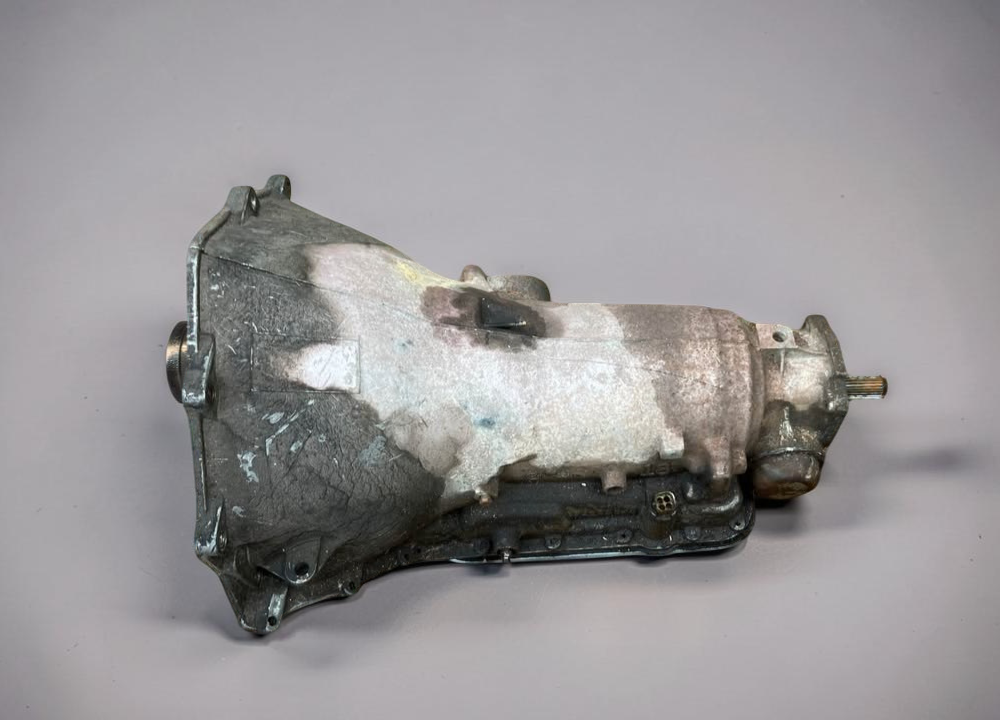
The 700R4 started in 1982 with a 1-piece aluminum case. Early units used a 27-spline input shaft. Later versions moved to a stronger 30-spline setup, which makes them the better starting point.
That year difference matters when the engine has real torque. A mild small-block can live behind a well-built late 700R4. A tired early core with old clutches, weak hard parts, and unknown TV history can burn the budget before the car leaves town.
Case details still matter. Tailhousing style, speedometer drive, output shaft, and mount location can change the swap plan. Check the casting, input spline, tailhousing, and pan before buying a greasy “good 700R4” off the floor.
The 4L60E name hides too many year traps
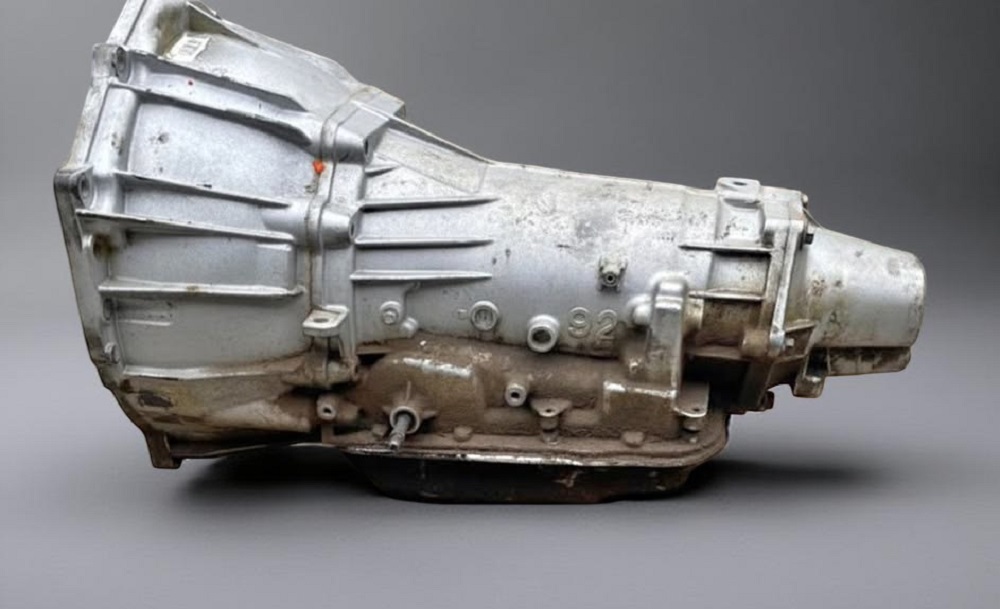
The 4L60E arrived in 1993 and kept the early 1-piece case at first. The later 2-piece case brought a removable bellhousing and a 6-bolt hex rear pattern. That change matters when you’re matching engines, adapters, mounts, and transfer cases.
The early 4L60E used the older 4-bolt square rear pattern. Later units used the 6-bolt hex rear pattern. Some LS-era versions also use a different bellhousing setup, including the extra 12 o’clock bolt hole on later Gen III-style cases.
The wiring changed too. Some early units used 12- or 13-pin connectors. Later versions moved through 15-pin and 17-pin layouts as GM added input-speed and internal-mode logic. “4L60E” on a listing tells you almost nothing without year, plug, case, and bellhousing details.
LS swaps reward the right 4L60E and punish the wrong one
A Gen III LS swap usually points toward a later 4L60E. The cleaner path starts when the transmission, PCM, harness, converter, flexplate, and speed signal all came from the same electronic neighborhood. Mix those parts wrong and the swap gets ugly fast.
The converter matters more than many buyers think. Some LS-era 4L60E units use a 300 mm converter setup. The wrong converter or flexplate stack can cause spacing trouble before the engine ever fires.
The speed signal has to match the controller too. A PCM that can’t read the VSS right can command bad shifts, poor lockup timing, or limp behavior. No matching year data, no plug check, no case check, no deal.
4. Speedometer fit can beat horsepower on swap day
The 700R4 plays nicer with old gauges
The 700R4 fits many classic dashboards with less drama. Older cars often use a mechanical speedometer cable, not an electronic signal. A 700R4 with the right tailhousing and drive gear can keep that setup alive.
That matters in a carbureted street car. The transmission can shift without a PCM, and the dash can read speed without a converter box. Fewer adapters means fewer places for noise, bad grounds, and wrong pulse counts to creep in.
Still, you need to check the tailhousing before buying. Some later setups use electronic speed parts. A cheap core loses its charm when the speedometer needs gears, a cable kit, and extra bench work.
The 4L60E fits the car better when the dash and PCM speak digital
The 4L60E expects a vehicle speed signal. The controller uses that signal for shift timing, converter lockup, and load logic. A weak or missing VSS can make the transmission shift late, hunt, or skip clean lockup.
This works well in LS swaps and late-model EFI builds. The PCM already wants speed data, throttle position, coolant temperature, and engine load. Digital gauges can read the same world with the right signal path.
The problem starts when an old dash wants a spinning cable. A 4L60E may need a special tailhousing, electronic-to-mechanical converter, or gauge swap. None of that fixes a bad speed signal at the controller.
Cheap cores get expensive when adapters stack up
A used 4L60E can look like the deal until the shopping list grows. Standalone controller, TPS kit, VSS wiring, speedometer converter, crossmember work, driveshaft changes, and tuning can outrun the core price. The transmission still needs the right converter and flexplate stack before the first start.
A 700R4 can play the same trick. The core may be cheap, but the correct TV bracket, cable geometry parts, lockup wiring, cooler lines, mount changes, and pressure check still cost money. Skip the pressure check and the first hard drive can glaze the 3-4 clutch.
Measure the whole swap, not the transmission tag. Crossmember holes, driveshaft length, speedometer drive, converter spacing, and cooler capacity all decide the real bill. If the speedometer and controller both need conversion parts, the bargain core already lost.
5. Same weak spots, different triggers
The 3-4 clutch and sun shell haunt both units
The 700R4 and 4L60E share the same family scars. Both can burn the 3-4 clutch, strip the sun shell, wear the valve body, and overheat the fluid. A sloppy rebuild hurts either one.
The 3-4 clutch does the hard work in 3rd and overdrive. The factory clutch stack has limited surface area, so heat and slip punish it fast. You feel it as a 2-3 flare, lazy 3rd gear apply, or no 4th gear.
The sun shell carries torque into key parts of the geartrain. When the hub cracks or the splines strip, the transmission can lose 2nd, 4th, and Reverse. A hardened shell, often sold as “The Beast,” belongs in any serious rebuild.
The 700R4 often fails from cable error, heat, and old parts
The 700R4 lives or fails by TV cable setup. If the cable does not pull with the throttle, line pressure stays low under load. The clutches slip, the fluid overheats, and the 3-4 pack takes the first hit.
Heat makes the damage snowball. Burnt ATF loses friction control, seals harden, and the valve body can’t save a weak apply circuit. By the time the shift feels soft, the pan may already smell cooked.
A strong 700R4 build needs more than fresh clutches. Use a hardened sun shell, better 3-4 frictions, a sound pump, clean valve body, good cooler flow, and verified TV pressure rise. No pressure rise at throttle opening, no road test.
The 4L60E adds electrical faults to the same hard-part list
The 4L60E can fail the same mechanical way. The 3-4 clutch still burns. The sun shell still strips. The valve body still wears enough to leak pressure.
The electronic layer adds more fault paths. Shift solenoids A and B, the pressure control solenoid, TCC solenoid, wiring, VSS input, and calibration all shape how the unit behaves. A bad command can feel like a bad clutch.
Scan data narrows the hunt. You can compare commanded gear, solenoid state, converter command, and speed signal before pulling the pan. If the controller commands 4th and the rpm flares, pressure and clutch apply move to the front of the diagnosis.
The first clues before teardown
| Failure pattern | 700R4 | 4L60E |
|---|---|---|
| 3-4 clutch burnout | Often tied to TV cable setup, heat, or weak pressure | Often tied to pressure control, wear, heat, or calibration |
| Sun shell failure | Shared family weak point | Shared family weak point |
| Harsh or soft shifting | TV cable geometry and valve-body wear | Solenoids, PCS, valve body, tune, or wear |
| Converter lockup trouble | Hydraulic and wiring add-ons vary by setup | PCM or controller command, TCC solenoid, valve-body wear |
| Main diagnostic clue | Line-pressure test and cable geometry | Scan data, commanded gear, solenoid function, line pressure |
6. Match the transmission to the car around it
The 700R4 belongs in simple classics and street trucks
The 700R4 makes sense when the car has a carburetor, old gauges, and no PCM. A small-block Chevy cruiser can gain overdrive without adding a standalone controller. The swap stays cleaner when the speedometer cable, throttle bracket, and lockup wiring all fit the plan.
A mild street truck fits the same lane. The deep 1st gear helps launch with taller rear gears, and 4th gear drops highway rpm. The weak point stays the same: TV cable geometry and line pressure.
This is where parts quality matters. A later 30-spline core, hardened sun shell, good 3-4 clutches, and real cooler flow matter more than the name on the case. A soft 2-3 shift or burnt ATF is a walk-away point.
The 4L60E fits LS swaps and EFI builds better
The 4L60E makes sense when the engine already runs on a PCM. LS and Vortec swaps can feed throttle position, speed, load, and temperature data into the transmission logic. That gives the controller clean control over shift timing, pressure command, and converter lockup.
A standalone controller can also make the 4L60E work behind older engines. US Shift supports the 4L60E, 4L65E, and 4L70E family, which gives carbureted swaps a cleaner electronic path. The engine still needs a reliable TPS signal and clean VSS input.
The tuning side gives you more control, but it adds more failure points. Wrong calibration can cause harsh shifts, soft apply, bad lockup, or heat. No scan data and no clean wiring diagram, no smart diagnosis.
Jeep swaps need a tape measure before a transmission choice
The 700R4 has a strong Jeep following because it brings overdrive and a deep 1st gear. It can adapt to common Jeep transfer cases, including NP231 and Dana 300 setups. That helps crawling, trail gearing, and highway rpm.
Length can ruin the plan in short-wheelbase rigs. A CJ5 does not give much room for transmission length, transfer-case adapter, rear shaft angle, and suspension travel. Too much drivetrain length can leave the rear driveshaft steep enough to vibrate or eat U-joints.
The 4L60E can work in the same kind of swap, but the electronics add another layer. You still need transfer-case fit, output shaft match, crossmember placement, cooler routing, and driveshaft angle. Then you need controller space, harness routing, VSS signal, and clean grounds before the first trail run.
7. Match the build, not the newer name
The right pick depends on what the car already has
The 700R4 wins when the car needs simple hydraulic overdrive. A carbureted classic, old speedometer cable, and mild small-block all fit that lane. The job stays cleaner when you can avoid a PCM, standalone controller, and VSS conversion.
The 4L60E wins when the build already has electronic control. An LS swap with the right PCM, harness, converter, flexplate, and speed signal gives the transmission what it needs. Then the tune can control shift points, firmness, and converter lockup.
The trap is buying by name alone. A newer transmission can still be the wrong core. A cheaper transmission can still cost more after brackets, wiring, speedometer parts, driveshaft work, and tuning.
Where each one belongs
| Owner or build type | Better fit | Why |
|---|---|---|
| Carbureted classic Chevy | 700R4 | No PCM needed, simpler overdrive swap |
| Mild small-block street truck | 700R4 | Lower wiring cost and familiar setup |
| LS swap with factory-style PCM | 4L60E | Cleaner electronic integration |
| EFI build that needs tunable shifts | 4L60E | Controller can adjust shift points and lockup |
| Old mechanical speedometer car | 700R4 | Fewer speedometer conversion parts |
| Driver scared of TV cable damage | 4L60E | No TV cable pressure setup |
| Builder avoiding wiring and controllers | 700R4 | Hydraulic control keeps the job simpler |
| Jeep or short-wheelbase swap | Depends on length and transfer case | Packaging can outrank the control method |
A 700R4 gets one pressure mistake before the 3-4 clutch starts slipping. A 4L60E gets one bad speed signal or pinout before the shifts turn ugly. Either way, the first real bill starts inside the pan.
Sources & References
- 700R4 vs 4L60E: What To Know Before Upgrading – Gearstar Performance Transmissions
- The Novak Guide to the GM TH700R4 / 4L60 & Early 4L60-E Automatic Transmission
- 700R4 vs. 4L60E: Which Transmission is Right for Your Performance Build?
- Overview of the 700R4 Transmission
- How to Identify GM Transmissions | 700R4, TH350, 4L60, TH400, 4L80e, Powerglide, & More – Speedway Motors
- Overdrive Options: The 700R4 and the 4l60E Debate goes on – Chevy Hardcore
- What’s The Difference Between The 700R4 And 4L60E Transmissions? – Jalopnik
- 3 Symptoms Of A Failing 4L60E Transmission And How To Diagnose The Problems
- 700R4 & 4L60E Transmission Year Range Chart (Filter, Seal …
- 4L60E Are They All The Same? – Gearstar Performance Transmissions
- 4L60E vs. 700R4: Key Differences & Comparison – Monster Transmission
- The Novak Guide to the GM 4L60-E (Late Style) Automatic Transmission
- Automatic Transmission Dimensions – TCI® Auto
- 700R4 Transmission Complete Guide | Diagrams, HP Ratings, FAQ – Speedway Motors
- GM 4L60E/4L60 (700R4) – US Cars
- 700R4 Transmission Specs, Identification & Complete 2025 Guide
- Best 4L60E Standalone Controller: Your Complete Guide to Reliable, Plug-and-Play Transmission Control – AliExpress
- 700R4/2004R TV Cable Adjustment Instructions – Summitracing
- 700R4/2004R TV Cable Adjustment Instructions – Summitracing
- How the Right 700R4 TV Cable Bracket Geometry Ensures Smooth Shifts and Prevents Transmission Damage – AliExpress
- COMPUSHIFT 4L60E Stand Alone Transmission Controller – HGM Electronics
- Installer Ed: 4L60 Wire Harness Pin Variations – YouTube
- US Shift Stand-Alone Transmission Controllers
- 4L60E Transmission Failure Points: Symptoms, Fixes
- 4L60E & 4LXX Series Transmission Guide for LS Swaps | PSI
- help please! : r/transmissionbuilding – Reddit
- GM Transmission 4L60E Stand Alone Controllers | Summit Racing
- Mechanical Speedo to Pulse output trans – Tech Talk – oldschool.co.nz
- 700R4 Speedo ELECTRIC TO MECHANICAL CABLE Conversion Kit Convert Speedometer
- 700R4 Hotrod Speedo Kit – Convert Speedometer Setup Electric to Mechanical 15/43 Teeth
- GM 4L60E Transmission Hardware Torque Specifications