
The light turns green, but your Encore hesitates as traffic closes in behind. A leaking PCV valve, faulty boost control, or worn turbocharger could be responsible. Each demands a different repair, and guessing wrong can cost thousands.
Early 1.4L Encores are known for PCV failures, coolant leaks, and turbo trouble. The newer Encore GX has its own weak spots, including electric purge pumps, coolant control valves, and wet timing belts on the 1.2L engine. Some failures qualify for GM warranty extensions, while others leave owners facing steep repair bills.
This guide tracks the warning signs, failed parts, repair costs, and GM coverage that matter. It also explains which engines need closer attention and what to check before paying for repairs.
1. The Engine Under the Hood Changes Everything
Check the VIN Before Blaming the Engine
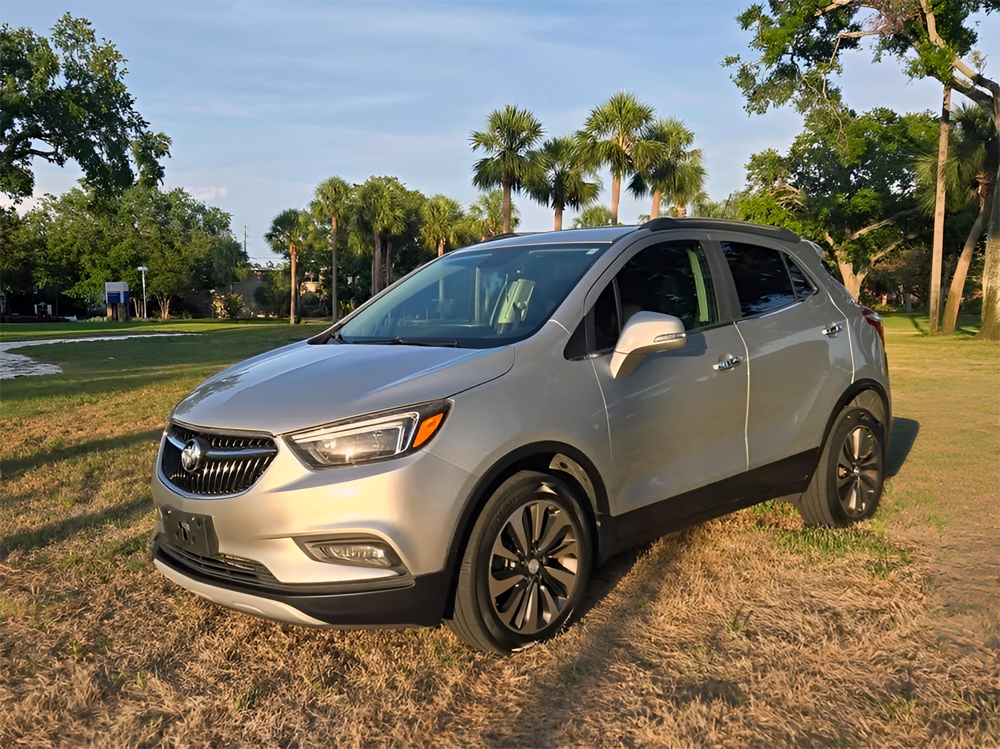
Two Buick Encores from the same year can hide very different engines. The original Encore ran from 2013 through 2022. Buick introduced the separate Encore GX in 2020, selling both models through 2022.
The original used 2 versions of a turbocharged 1.4L four-cylinder. The GX switched to turbocharged 1.2L and 1.3L three-cylinder engines. Their fuel injection, timing drives, and weak points differ.
Check the 8th character of the vehicle identification number (VIN). It identifies the engine and helps prevent ordering the wrong parts.
| U.S. model and years | Engine and VIN digit | Fuel injection and timing drive | Key identification detail |
|---|---|---|---|
| Encore, 2013-2021, where equipped | 1.4L LUV, VIN B | Port injection, timing chain | 138 hp; plastic intake manifold and composite valve cover |
| Encore, optional 2016-2019, returning 2021, standard 2022 | 1.4L LE2, VIN M | Direct injection, timing chain | 153-155 hp; redesigned engine with aluminum valve cover |
| Encore GX, 2020-2024 | 1.2L LIH, VIN 2 | Direct injection, wet timing belt | 3 cylinders; separate oil-pump drive belt |
| Encore GX, 2025-2026 | 1.2L LBP, VIN P | Direct injection, wet timing belt | Updated 1.2L; E85 capability where specified |
| Encore GX, 2020-2026 | 1.3L L3T, VIN L | Direct injection, timing chain | 155 hp; avoids the 1.2L wet timing belt |
The engine RPO code provides another check. GM lists it in the vehicle’s build information and dealer records. The 2021 Encore owner’s manual confirms VIN B for the LUV and VIN M for the LE2.
A Newer Encore Can Still Have the Older Engine
A 2018 Encore could leave the factory with either 1.4L engine. The LUV uses a plastic intake-manifold check valve and a pressure-regulating diaphragm in its valve cover. The LE2 has a different engine design and avoids that particular PCV layout.
Model year 2020 makes the distinction even sharper. The original Encore retained the 138-hp LUV, while the new Encore GX offered three-cylinder engines. Buick brought the stronger LE2 back for 2021 and made it standard for 2022.
Complaint totals can also mislead buyers. Older Encores have spent more years on the road, giving faults more time to appear. Sales volume and engine mix also affect the numbers. Raw complaint counts cannot establish which engine has the lowest failure rate.
A 2020 original Encore with VIN B still carries the LUV’s intake-manifold check valve and valve-cover PCV diaphragm.
2. Why the 1.4L Starts Whistling, Shaking, or Stalling
A Small PCV Valve Can Damage the Whole Valve Cover
A sharp whistle at idle can signal trouble inside the 1.4L LUV’s crankcase ventilation system. The engine may shake at stoplights, burn oil, or stall as you slow down. A failed PCV check valve often starts the chain of damage.
That valve sits inside the plastic intake manifold. Its job is to block turbo boost from entering the crankcase. When the valve disappears or slips out of position, boost pressure can reach the valve-cover diaphragm and tear it.
A damaged diaphragm lets unwanted air enter the engine. The air-fuel mixture can turn lean, triggering P0171. The computer may also store P1101 when measured airflow falls outside its expected range. Neither code proves PCV failure on its own.
GM bulletin PIP5197 links the intake-manifold check valve to the valve-cover diaphragm. Both parts need inspection when the engine whistles or runs lean. Replacing the damaged cover alone can leave the failed check valve in place.
Why a New Valve Cover May Not Stop the Whistle
A fresh valve cover can quiet the engine briefly. But if the manifold check valve is missing, boost can damage the replacement diaphragm again.
The first inspection starts at the intake manifold. The technician checks whether the internal PCV check valve remains in place. The valve-cover vent also needs testing for unwanted vacuum while the engine idles.
Crankcase pressure testing can help confirm the fault. A loose oil cap, damaged dipstick seal, or leaking intake hose can also affect airflow readings. Those faults need to be ruled out before replacing expensive parts.
Repair depends on what testing finds. A missing or displaced manifold check valve calls for intake-manifold replacement under GM’s factory repair procedure. A leaking valve-cover diaphragm requires a new cover assembly.
Replacing only the cover gasket won’t repair a torn diaphragm. Likewise, a new valve cover cannot restore a missing intake-manifold check valve.
Stalling After Refueling Points Toward the Purge Valve
An Encore that struggles to restart after a fill-up may have a different fault. The engine cranks longer than normal, catches, then stumbles or stalls. Once it settles, it may run normally until the next refueling stop.
The likely suspect is the evaporative emissions (EVAP) purge valve. It controls when fuel vapors from the charcoal canister enter the intake manifold. When stuck open, it allows vapor flow even when the engine computer commands the valve closed.
A common warning is P0496, which indicates unwanted EVAP flow during a non-purge condition. The technician must confirm that the purge valve seals when commanded shut. A loose fuel cap won’t explain a valve that keeps flowing.
GM Special Coverage N232395300 addresses purge valves that fail to close on certain 2020 Encore models with the LUV engine. Eligible vehicles receive coverage for 15 years or 150,000 miles from the original in-service date, whichever comes first.
The dealer must confirm VIN eligibility and the covered failure before approving a free replacement.
3. When Weak Acceleration Points Toward Turbo Trouble
A P0299 Code Doesn’t Mean the Turbo Is Finished
Press the gas on a highway ramp, and your Encore struggles to build speed. The engine feels flat, especially under load. A check-engine light may reveal P0299, meaning actual boost pressure falls below the expected level.
The opposite fault, P0234, means boost pressure is too high. Both codes can point toward turbo trouble, but neither proves the turbocharger has failed.
A cracked boost hose, faulty wastegate solenoid, sticking actuator, or restricted intake can upset boost control. The LUV’s PCV faults can also affect airflow and pressure readings.
GM bulletin PIP5495G addresses turbocharger misdiagnosis on 2013-2019 Encores with the LUV engine. GM found that some turbos returned for replacement had no actual defect.
The bulletin identifies several faults that can be repaired separately. These include broken solenoid ports, bent actuator ports, obstructed hoses, and missing actuator clips.
Small cracks around the turbo’s wastegate valve port can also be normal. GM specifically warns against replacing the turbocharger based on those cracks alone.
The Checks That Can Save a Turbo Replacement
A proper diagnosis starts with stored fault codes and the conditions that triggered them. The technician checks intake hoses, charge-air pipes, vacuum lines, and boost-control fittings for leaks or damage.
Next comes the wastegate. Its actuator must move through the required range without binding. A sticking linkage can prevent the turbo from controlling boost, even when the turbine itself remains intact.
A scan tool helps compare commanded boost against measured pressure under the specified test conditions. If the readings disagree, the technician must trace the cause before condemning the turbo.
Physical damage changes that decision. Seized wastegate linkage, damaged compressor or turbine wheels, or a broken shaft can justify replacing the assembly. The failed part or diagnostic test should be documented.
Cold weather adds another possibility. GM has documented charge-air cooler icing on certain LUV-powered Encores. Ice can restrict airflow and trigger P0299 during freezing conditions, even without a damaged turbocharger.
When replacement is necessary, the oil-feed and return pipes also need inspection. A restricted feed pipe can starve the new turbo of oil and damage its bearings.
GM directs technicians to replace a restricted oil-feed pipe rather than clean and reuse it.
4. Coolant and Oil Leaks That Can Turn Into Engine Damage
A Falling Coolant Level Doesn’t Always Mean a Bad Water Pump
A shrinking coolant level on the 1.4L LUV often points to aging plastic fittings. The water outlet and thermostat housing can crack after years of heat cycles. Hoses, the water pump, and turbo coolant lines can also leak.
You may notice a sweet smell after parking, dried coolant around a hose connection, or steam under the hood. A sudden water-outlet crack can drain coolant fast enough to overheat the engine.
A cooling-system pressure test helps locate the leak. The technician should trace coolant from its highest wet point before replacing the water pump. Fluid running down the engine can make a good pump look faulty.
GM bulletin PI1041B addresses water-pump inspection on 2013-2014 Encores. It explains that light staining around the pump can be normal. A trail of coolant running down the front of the engine provides stronger evidence of leakage.
Some owners replace cracked plastic water outlets with aluminum versions. These remove the plastic housing from that failure point, but they won’t repair a worn thermostat seal or brittle hose.
Oil Around the Turbo Can Come From Several Places
Oil dripping below the turbocharger can make the turbo look guilty. On the LUV, the valve cover, turbo oil-feed pipe, return pipe, and oil cooler can all leak.
Oil often runs across brackets and engine surfaces before reaching the ground. The lowest wet spot may sit well below the failed seal.
Cleaning the area and tracing fresh oil can reveal the source. A leaking cooler gasket needs a different repair from a damaged turbo oil line. Replacing the whole turbo won’t seal either leak.
GM service update 43210 addressed oil leakage from a damaged oil-cooler inlet-pipe O-ring on certain 2016 Encores with the LUV engine. The repair required replacing the seal, with GM allowing 2.5 labor hours.
That update expired with the affected vehicle’s original new-vehicle warranty. It doesn’t provide current free coverage for every oil-cooler leak.
Overheating Can Turn a Small Leak Into a Major Repair
A cracked coolant outlet may be a straightforward repair when caught early. Keep driving with low coolant, and the engine can overheat enough to damage the head gasket or cylinder head.
Severe overheating can distort the aluminum cylinder head and weaken its seal against the engine block. Coolant may then enter a cylinder, causing misfires, white exhaust vapor, or repeated coolant loss.
A pressure test alone may not reveal every internal leak. After a serious overheat, the shop should check for combustion gases in the coolant. Compression and cylinder-leakage tests can help identify damaged sealing surfaces.
Oil mixed with coolant also needs investigation. A leaking oil cooler can allow fluid contamination without a failed head gasket. The source must be confirmed before approving major engine work.
Steam, an overheating warning, or an oil-pressure warning calls for immediate attention. Pull over safely and shut off the engine. Never open the coolant pressure cap while hot.
If coolant continues escaping or the temperature climbs again, arrange a tow. Running an overheated engine can turn a leaking plastic fitting into cylinder-head damage.
5. When a Misfire Means Trouble Inside the 1.4L Engine
The LE2 Can Crack Pistons and Lose Compression
A shaking Encore with a persistent check-engine light may have damage inside a cylinder. The engine might stumble under acceleration or shake hard at idle. Diagnostic code P0300 signals a misfire, but it doesn’t identify the failed part.
Worn spark plugs, weak ignition coils, faulty injectors, and intake air leaks can all trigger misfires. Low compression raises a more serious concern. A damaged piston may no longer seal the combustion chamber.
GM bulletin 18-NA-171 addresses this failure on 2016-2018 Encores equipped with the 1.4L LE2 engine. It directs technicians to perform a compression test first. If compression is low, a cylinder-leakage test helps locate the failed seal.
Air escaping into the crankcase points toward piston or ring damage. The technician must then inspect all 4 cylinder walls. If the bores remain undamaged, GM specifies replacing all 4 pistons rather than the complete engine.
Low-speed pre-ignition (LSPI) is one possible cause of cracked pistons in small turbocharged engines. It occurs when the fuel mixture ignites too early under certain low-speed, high-load conditions. However, a damaged LE2 piston doesn’t prove LSPI caused the failure.
The Older LUV Can Break Its Piston Ring Lands Too
The older 138-hp LUV has its own piston trouble. Some engines develop broken ring lands, the thin metal sections that hold the piston rings in place. When a ring land breaks, the piston can lose its seal against the cylinder wall.
Oil consumption may increase as oil slips past the damaged rings. The engine can also misfire as compression drops. Replacing ignition coils or fixing PCV leaks won’t restore compression lost through a broken piston.
GM bulletin 19-NA-090 covers this failure on listed 2013-2019 Encores with the LUV engine. It connects oil consumption, oil leaks, P0300, and low compression with possible ring-land damage.
The repair starts with compression and cylinder-leakage testing. If excessive air escapes into the crankcase, the technician inspects the pistons and cylinder walls. GM directs replacement of all 4 pistons and rings when the bores remain serviceable.
Light marks alone don’t justify replacing the engine. Deep scoring is different. GM describes damaged cylinder walls where scuffing removes the original crosshatch pattern.
If the scoring can be felt with a fingernail, bulletin 19-NA-090 recommends engine replacement.
6. Encore GX Problems Behind the Check-Engine Light
A Failed Purge Pump Can Trigger Several Fault Codes
The Encore GX can illuminate its check-engine light. One known cause is its electric evaporative emissions (EVAP) purge pump. This pump helps move fuel vapors from the charcoal canister into the engine.
A failing pump can trigger P1467, P146B, or P146F. These codes point toward the EVAP purge system, but they don’t all prove pump failure. Wiring faults and other purge-control problems can produce similar warnings.
GM Special Coverage N232395310 addresses purge-pump failures on eligible 2020-2021 Encore GX models. It also includes certain 2021 Encores equipped with the 1.4L LE2 engine.
The program provides 15 years or 150,000 miles of coverage, whichever comes first. Dealers must confirm the covered fault before replacing the pump. Some listed codes require further testing rather than immediate replacement.
A faulty purge pump doesn’t prove internal engine damage. It also cannot explain every reduced-power complaint.
A Coolant Control Valve Can Trigger P26BB
The Encore GX uses a coolant flow control valve to regulate engine temperature. It directs coolant flow during warm-up and normal operation. When the valve sticks or fails to respond, the computer may store P26BB.
The check-engine light may appear even without overheating. Actual coolant readings and valve movement must be checked before replacing parts.
GM bulletin 21-NA-256 addresses this fault on applicable early Encore GX models. It notes that some valves can set P26BB during their initial break-in period, below 2,000 miles.
For a first occurrence, the technician follows GM’s diagnostic procedure. A confirmed valve fault requires replacement. A previous P26BB occurrence or a repeat complaint also changes the repair instruction.
The technician verifies the replacement valve with a scan tool. Its reported position must increase and decrease as commanded.
Early 1.2L Turbos Have Their Own Failure Pattern
Some 2020-2021 Encore GX models with the 1.2L LIH engine developed turbocharger trouble. Owners may hear a rattle during a cold start or notice weak acceleration. A check-engine light can store P0299 when boost pressure falls too low.
This engine uses different turbo hardware from the original Encore’s 1.4L LUV. Its wastegate vacuum controls and related hoses need their own inspection. A restricted vacuum supply can also cause underboost without a failed turbocharger.
GM issued special coverage for confirmed turbocharger failures on certain early LIH models. Program N242450640 specifically addresses eligible 2021 Encore GX vehicles equipped with the 1.2L engine.
The repair includes an important detail. When replacing the turbocharger, GM instructs dealers to install the specified vacuum-tank kit if the vehicle lacks one.
Coverage lasts 15 years or 150,000 miles from the original in-service date, whichever comes first. The program applies to the 1.2L LIH, not the 1.3L L3T.
Oil-Pressure Codes Don’t Automatically Mean Wet-Belt Damage
The 1.2L Encore GX has another fault path involving oil-pressure control. A check-engine light may store P0521, P06DD, or P06DE. These codes concern oil-pressure readings or the oil pump’s pressure-control circuit.
A damaged wet timing belt isn’t the only possible explanation. Wiring faults, a defective pressure sensor, or debris inside the oil pump can also trigger these codes.
GM bulletin 24-NA-021, revised in March 2025, addresses this condition on listed 2023-2025 Encore GX models. It covers both the LIH and LBP 1.2L engines.
The technician first confirms the engine oil level. Next come checks of the oil-pressure control solenoid connector, wiring, and sensor. GM specifies electrical tests and inspection for debris before moving to its oil-pump screening procedure.
If the required screening test triggers one of the listed codes, GM directs oil-pump replacement. A wiring or sensor fault calls for the repair identified by testing.
That screening procedure applies when the vehicle has no problems with how the engine runs. An active oil-pressure warning demands a different response. Shut down the engine safely and verify oil pressure before running it again.
7. What the Encore GX Wet Belt Means for Maintenance
The 1.2L Has Two Belts That Need Replacement
The Encore GX’s 1.2L engine uses a timing belt that runs inside the engine oil. This wet belt drives the camshafts and keeps valve timing in step with the crankshaft.
A second belt drives the oil pump. Both operate inside the engine, separate from the external accessory belt. The 1.2L LIH and newer LBP engines use this arrangement.
GM sets a replacement interval of 150,000 miles or 15 years, whichever comes first. The 2026 Encore GX owner’s manual, page 289, specifically requires replacing both belts on the LBP engine.
That interval is a maintenance deadline, not a promise that the belts cannot fail earlier. Belt damage or oil-pressure trouble requires inspection regardless of mileage.
Dark Belt Particles Don’t Always Mean Something Is Failing
Finding dark particles in the oil pan can raise concerns about wet-belt wear. But small amounts of fine residue can appear during normal belt break-in.
GM bulletin PIP5938 addresses this finding on 2020-2024 Encore GX models with the 1.2L LIH engine. It describes fine, dark particles in the oil or oil pan as normal wear-in material.
GM even documented this residue in an engine with just 12 miles. The bulletin states that this specific finding requires no further repair.
Visible belt damage, larger fragments, or low oil pressure need separate investigation. The bulletin doesn’t classify those conditions as normal.
The 1.3L L3T uses a timing chain instead. It avoids the 1.2L’s scheduled wet-belt replacement. Failures reported on other manufacturers’ wet-belt engines don’t establish a failure rate for Buick’s 1.2L.
Using the Wrong Oil Can Put Engine Parts at Risk
Oil choice matters on every turbocharged Encore, especially those with belts running inside the crankcase. GM specifies full-synthetic oil meeting its dexos1 standard, with viscosity matched to the engine.
The 2021 Encore owner’s manual makes an important distinction. The older 1.4L LUV requires SAE 5W-30, while the newer 1.4L LE2 requires SAE 0W-20.
The 2026 Encore GX manual also specifies SAE 0W-20 for its three-cylinder engines. Using the wrong viscosity or an oil without the required approval risks engine damage and potential warranty disputes.
Oil changes and oil-level checks serve different purposes. The oil-life monitor estimates when the lubricant needs replacement. It cannot detect or replace oil lost through leaks or consumption.
GM recommends checking the 2026 GX’s oil level every 400 miles, especially before longer trips. Its manual also requires an oil-and-filter change within 600 miles of the CHANGE ENGINE OIL SOON message.
Even with light use, the 2026 Encore GX requires fresh engine oil and a new filter at least once every 12 months.
8. GM Warranty Extensions That Could Save Thousands
Some Expensive Engine Failures Have Special Coverage
A failed Encore turbocharger can leave you facing a repair bill worth thousands. GM has extended warranty coverage for several known engine faults. But the exact model year, engine, and failed part determine whether the repair qualifies.
GM handles many of these failures through Special Coverage programs. Unlike a safety recall, these programs cover specific faults for a set time or mileage. A Technical Service Bulletin (TSB) only provides repair guidance and doesn’t extend warranty coverage.
The limits below start from the vehicle’s original in-service date. Coverage ends when either the time or mileage limit is reached.
| GM program | Eligible Encore models | Covered failure | Coverage limit |
|---|---|---|---|
| N202299080 | Certain 2014 Encore LUV | Leaking PCV diaphragm in the camshaft cover | 10 years / 120,000 miles |
| N232395330 | Certain 2017-2018 Encore LUV | Failed turbocharger | 10 years / 120,000 miles |
| N232395300 | Certain 2020 Encore LUV | EVAP purge valve stuck open | 15 years / 150,000 miles |
| N252499670 | Certain 2021 Encore 1.4L | Failed turbocharger | 15 years / 150,000 miles |
| N232395310 | Certain 2021 Encore LE2 and 2020-2021 GX LIH/L3T | Electric EVAP purge-pump failure | 15 years / 150,000 miles |
| N232407740 | Certain 2020 Encore GX LIH | Failed turbocharger | 15 years / 150,000 miles |
| N242450640 | Certain 2021 Encore GX LIH | Failed turbocharger | 15 years / 150,000 miles |
A matching model year doesn’t guarantee coverage. GM limits each program to specific VINs and the named failure. A leaking turbo oil pipe, for example, won’t qualify for free turbocharger replacement unless the covered turbo failure is confirmed.
Have the Dealer Check Your VIN Before Paying
A Buick dealer can check coverage through GM’s Investigate Vehicle History (IVH) system. The Applicable Warranties section identifies which special programs apply to your VIN.
Ask the dealer to record the program number, original in-service date, mileage limit, and expiration date. The repair estimate should also identify the failed part and explain any charges outside the program.
Diagnosis matters as much as eligibility. Under N252499670, a stored P0299 code doesn’t automatically qualify the turbocharger for replacement. GM requires technicians to follow its diagnostic chart and confirm that turbo replacement is necessary.
Older coverage has tighter limits. Program N202299080 covers a failed PCV diaphragm on certain 2014 Encores. It doesn’t pay for every valve-cover oil leak or a missing intake-manifold check valve.
Its 10-year coverage period has already expired for 2014 vehicles. The same age limit will eventually affect 2017-2018 turbocharger coverage, even when mileage remains below 120 000.
A public recall search also won’t settle eligibility. Special Coverage programs may appear in GM’s warranty records without showing as open safety recalls.
Past Repair Bills Have Their Own Reimbursement Deadline
Some owners paid for covered repairs before GM announced the warranty extensions. Certain Special Coverage programs allow reimbursement for those earlier expenses.
The paperwork must show the original diagnosis, repair date, vehicle mileage, parts replaced, and amount paid. Keep the itemized invoice and proof of payment. GM reviews reimbursement claims against the specific program requirements.
Repair coverage and reimbursement follow different deadlines. A vehicle can remain eligible for future repairs after the deadline for recovering earlier expenses has passed.
Program N252499670 provides a clear example. Its 15-year/150 000-mile turbocharger coverage remains tied to the vehicle’s original in-service date.
However, GM requires eligible claims for previously paid repairs to reach the dealer or reimbursement department by November 30, 2026, unless state law allows a longer period.
9. What Buick Encore Engine Repairs Actually Cost
The Same Repair Can Carry Very Different Price Tags
| Repair and model | Estimated U.S. cost | What the price covers |
|---|---|---|
| Original Encore turbocharger replacement | $1 483-$1,859 | RepairPal model-wide estimate; varies by engine and year |
| 2022 Encore turbocharger replacement | $2 273-$2,535 | Year-specific estimate for the 1.4L LE2 |
| Original Encore water pump replacement | $764-$1,136 | Pump replacement; excludes damage caused by overheating |
| Original Encore purge valve replacement | $103-$136 | Standard EVAP purge valve, not the GX electric purge pump |
| 2013 Encore complete valve cover replacement | $447-$628 | YourMechanic shop/dealer estimate; intake manifold repair costs extra |
These published estimates were checked in November 2026. RepairPal figures exclude taxes, fees, location differences, and related repairs. YourMechanic provides separate estimates for its own service and shop/dealer pricing.
A 2022 Encore turbocharger costs considerably more to replace than the model-wide average suggests. Engine design, parts pricing, and labor all affect the bill. Neither estimator guarantees what a specific repair shop will charge.
Why Two Repair Quotes Can Be Thousands Apart
A turbocharger quote may cover the assembly alone. Another shop might include oil-feed pipes, coolant lines, gaskets, and fresh fluids. Corroded fittings or broken fasteners can push labor costs higher.
Oil-cooler repairs carry a similar trap. Replacing failed seals costs less than installing a complete cooler. Access can still require removing nearby exhaust and turbo hardware, making labor a large part of the bill.
When several oil leaks sit close together, some labor overlaps. The shop should account for work already covered by another repair. Paying the full removal labor twice can inflate the total.
Internal engine damage raises the stakes. A piston repair may be possible when the cylinder walls remain sound. Deep bore scoring can make a replacement engine the more practical choice.
Get both repairs quoted in writing. A piston-repair estimate should identify the pistons, rings, gaskets, machining needs, and labor. An engine-replacement quote should state whether the turbocharger, cooling repairs, fluids, and installation are included.
A used replacement engine also needs a documented mileage figure and warranty terms. Some warranties cover the engine itself but exclude installation labor if it fails again.
If the replacement engine comes with a parts-only warranty, a second engine installation can leave you paying the labor bill twice.
Sources & References
- 2021 Buick Encore Owner’s Manual (General Motors)
- GM Bulletin PIP5197: Possible Oil Consumption, Oil Leaks, Blue Smoke From The Exhaust, MIL Or Fuel Trim Codes
- GM Special Coverage N232395300: Evaporative Emissions Purge Valve
- GM Bulletin PIP5495G: Check Engine Light On With P0299 Or P0234
- GM Bulletin PI1041B: Information on Water Pump Replacement
- GM Service Update 43210: Engine Oil Leakage at Oil Cooler Pipe
- GM Bulletin 18-NA-171: MIL Illuminated With DTC P0300 (LE2 Piston Damage)
- GM Bulletin 19-NA-090: Possible Oil Consumption and/or Leaks, MIL Illuminated – DTC P0300 Set
- GM Special Coverage N232395310: Evaporative Emission Purge Pump
- GM Bulletin 21-NA-256: MIL Illuminated With DTC P26BB Set
- GM Special Coverage N242450640: Turbocharger Replacement (2021 Encore GX 1.2L)
- GM Bulletin 24-NA-021, revised March 2025: MIL Illuminated With DTCs P0521, P06DD and/or P06DE
- 2026 Buick Encore GX Owner’s Manual (General Motors)
- GM Bulletin PIP5938: Normal Fine Particles in Engine Oil or Oil Pan Generated by Wet Belt System Wear In
- GM Bulletin 20-NA-032: 2020 Buick Encore GX Technical Introduction
- GM Special Coverage N202299080: Camshaft Cover Replacement
- GM Special Coverage N232395330, revision 01: Turbocharger Replacement
- GM Special Coverage N252499670: Turbocharger Replacement
- GM Special Coverage N232407740: Turbocharger Replacement (2020 Encore GX 1.2L)
- RepairPal: Buick Encore Turbocharger Assembly Replacement Cost
- RepairPal: 2022 Buick Encore Turbocharger Assembly Replacement Cost
- RepairPal: Buick Encore Water Pump Replacement Cost
- RepairPal: Buick Encore Purge Valve Replacement Cost
- YourMechanic: Buick Encore Valve Cover Replacement Estimates
- TRIFECTA: Meet the GM LE2 Engine
- Buick Encore – Wikipedia
- Buick Encore GX – Wikipedia
- GM Small Gasoline Engine – Wikipedia
- GM E-Turbo Engine – Wikipedia
- Buick Encore Model Year History – JD Power
- AMSOIL: 2024 Buick Encore GX 1.2L 3-Cyl (Engine Code 2, LIH)
- AMSOIL: 2025 Buick Encore GX 1.2L 3-Cyl (Engine Code P, LBP Flex Turbo)
- Buick Encore 1.4T Coolant Leaks and Water Pump Failure: Symptoms, Causes, and Repair Costs
- AutoZone: Car Stalls After Filling Gas Tank? Expert Troubleshooting Guide
- Buick Forums: Does Your Encore Sound Like a Tea Kettle? The P0171 / Valve Cover Fix Explained
- Go-Parts: 2020-2026 Encore GX 1.2L Wet Belt vs 1.3L Timing Chain Guide