
Upgrading your Subaru Outback’s suspension can completely change your driving experience. The Outback is known for its versatility—standard all-wheel drive, roomy interior, and impressive ground clearance right out of the box.
But even the best setups have limitations. Ever loaded up for a camping weekend only to find your suspension sagging under the weight? Or noticed how your Outback leans more than you’d like when taking tight corners?
Stock suspension is comfortable enough, but when you start pushing it—heavy cargo loads, rugged trails, or sharp handling—it quickly shows its weaknesses.
Upgrading your suspension isn’t just for hardcore off-roaders or performance enthusiasts; it’s for anyone who wants better handling, improved load capacity, or a smoother ride over rough roads.
Whether you’re hauling bikes, towing a trailer, tackling trails, or just looking to improve your daily commute, the right suspension upgrade makes a big difference. Let’s cut through the noise and find the best suspension setup to match exactly what you want from your Subaru Outback.
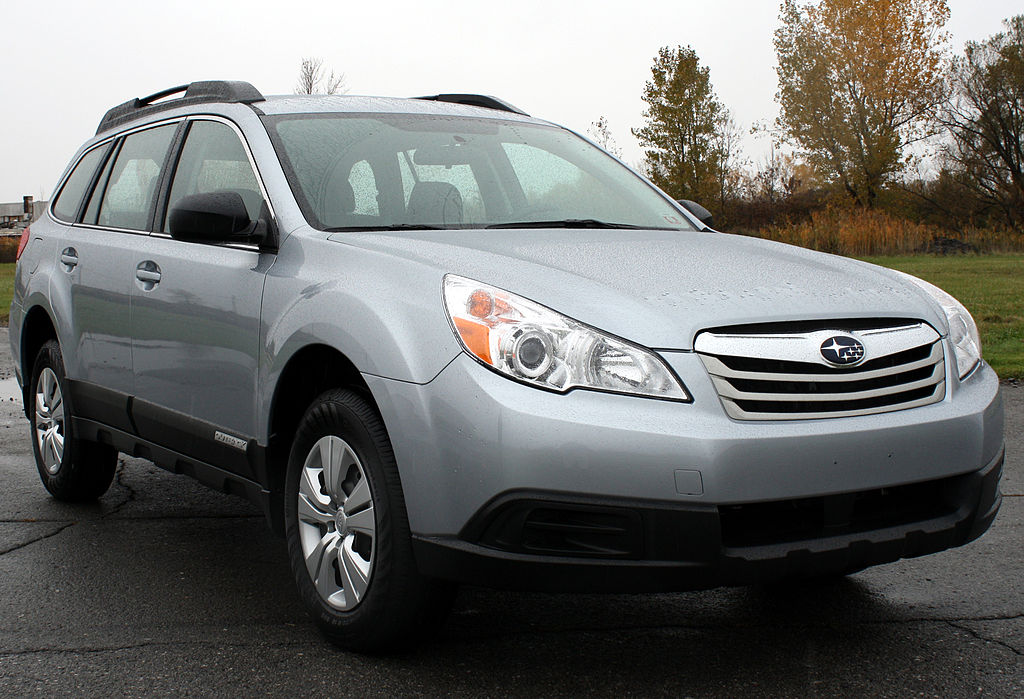
1. Setting Your Goals – What Do You Want from Your Suspension?
Before diving into upgrades, let’s get clear on what you actually want from your Subaru Outback’s suspension. Different setups solve different problems, so knowing your goals is key.
Handling and Stability – Tightening Up the Ride
If you’ve felt uneasy taking sharp corners or navigating winding roads, your stock suspension might be the reason. Ever taken a turn and felt your Outback lean more than you’d like?
Upgrading your suspension reduces body roll and makes your steering feel responsive, especially during quick maneuvers or sudden lane changes. It’s about feeling confident behind the wheel—not gripping it tighter every time you approach a curve.
Off-Road Performance – Beyond Pavement
Maybe pavement isn’t enough for your adventures. If you regularly hit dirt trails or rocky paths, your Outback’s factory clearance might leave you scraping the bottom.
Adding some lift and improving suspension travel lets you clear bigger obstacles comfortably. You’ll get better approach angles on steep hills and avoid bottoming out on rougher terrain. Basically, it means exploring deeper trails without worrying about damage.
Load-Bearing Strength – No More Sagging
Ever loaded your Outback with camping gear or attached a trailer only to see the rear end sag dramatically? Factory springs aren’t always up for the heavy lifting.
Upgraded springs and shocks can handle extra weight without compromising ride quality or safety. This isn’t just about aesthetics—it’s about keeping your headlights pointed at the road, not the sky.
Ride Comfort – Smooth Out the Rough Edges
If your daily drive involves potholes, gravel, or uneven pavement, you might be tired of feeling every bump. Suspension upgrades can soak up impacts better than stock, making your drive noticeably smoother. It’s the difference between enduring your commute and actually enjoying it.
Think carefully about which goal—or combination of goals—matters most. Knowing exactly what you’re after helps narrow down the right upgrades, ensuring you get the results you really want.
2. Things to Consider Before Upgrading
Upgrading your Outback’s suspension can completely change how your car drives, but before pulling the trigger, let’s talk through some practical details. The more prepared you are, the fewer surprises you’ll run into.
What Generation Is Your Outback?
Your Outback’s generation matters more than you think. If you’ve got a 4th Gen (2010–2014), you’ve probably noticed the stock suspension can feel overly soft, especially with heavier loads. Sagging rear ends under load are common here, so heavier springs or a mild lift can make a big difference.
With a 5th Gen (2015–2019), Subaru improved the suspension, but there’s still room to make things better—especially if you regularly tow or carry extra weight. Mild lifts or upgraded shocks can noticeably improve handling without compromising ride quality.
Now, if your Outback is a 6th Gen (2020–Present) model, things get trickier. Subaru redesigned the suspension geometry, limiting the compatibility of some popular lift kits. Upgrades here often need specialized components and precise installation to avoid alignment headaches.
Budget and Costs – Know Your Limits
Let’s be real: suspension upgrades can get pricey quickly. A basic spring upgrade might run you around $300–$600, which can significantly improve handling without draining your wallet. But once you move into full strut replacements, expect costs around $800–$1,500.
Going all-in with advanced lift kits or fully adjustable coilovers? Now you’re looking at $1,500–$4,000 or more. Being clear on your budget helps avoid sticker shock—and helps you pick upgrades you’ll actually appreciate.
Warranty and Insurance Concerns – Read the Fine Print
You don’t want to upgrade your suspension only to find out your warranty is now void. Subaru’s factory warranty can get picky with mods, especially when you go beyond mild lifts or OEM-equivalent parts. Always check with your dealer first—sometimes it’s fine, but sometimes even minor changes could complicate warranty claims.
And don’t overlook insurance. Modifying suspension can affect your premium or even coverage. A quick call to your insurer can save you headaches later, ensuring you’re still protected if something goes sideways.
Installation – DIY or Pro?
Are you handy with a wrench, or does the thought of tackling suspension make you nervous? Simple upgrades like spacer lifts or mild spring swaps can usually be done in your driveway if you’ve got experience and the right tools.
But complex upgrades—like coilovers or full lift kits—require professional installation. Not only is the work trickier, but you’ll need specialized equipment and a precise alignment afterward. Saving money with DIY is tempting, but going pro might be the smartest choice in the long run.
3. Types of Suspension Upgrades for Your Subaru Outback
Your goals are set, and you’re clear on what to expect. Now, let’s break down the upgrade options so you can choose exactly what matches your driving style, terrain, and comfort level.
Upgraded Springs – Firmer Support and Moderate Lift
Springs do a lot more than just hold your car up—they control handling, comfort, and stability. Upgraded springs can eliminate sagging when loaded down and give you just enough lift to clear tougher terrain without feeling unstable on the highway.
Linear springs provide consistent firmness, ideal if you want predictable handling and sharper cornering. On the flip side, progressive springs offer a softer ride when the vehicle is lightly loaded and firm up under heavy cargo or towing.
A brand like King Springs is a favorite for Outback owners because they give about a 1-inch lift, reducing sag and improving ride quality without going too extreme.
However, pairing upgraded springs with stock shocks might result in a harsher ride over bumps, so consider matching them with upgraded shocks or struts for the best results.
Struts and Shocks – Better Control and Less Bounce
If your Outback feels bouncy, wallowy, or just not as stable as you’d like, upgraded shocks or struts are a solid investment. They won’t necessarily lift your vehicle, but they significantly improve stability, cornering, and overall handling comfort.
Bilstein B6 struts and shocks are a popular choice, offering a noticeable improvement in handling and control, especially on twisty roads or rough terrain. If you’re on a tighter budget, KYB Excel-G shocks offer a nice upgrade from stock, delivering a more controlled ride without a huge price tag.
Keep in mind, some aftermarket shocks might require slight modifications during installation, so factor that into your plans.
Lift Kits and Spacers – Raising Your Outback’s Capability
When you want extra ground clearance to tackle rough trails or snowy conditions confidently, a lift kit or spacers might be exactly what you need. Spacer lifts typically raise your Outback by around 1–2 inches, maintaining your factory ride feel while improving approach and departure angles.
For serious off-road adventures, complete lift solutions from brands like LP Aventure or Anderson Design come highly recommended. These kits often include extended shocks, new springs, and alignment correction hardware, giving your Outback genuine off-road capability.
But be careful—poorly installed lifts can lead to alignment headaches, uneven tire wear, or added stress on CV joints. Always ensure the installation is done right, ideally by an experienced mechanic who understands Subaru suspensions.
Coilovers – Fine-Tuned Performance and Height Control
Want the ultimate suspension control? Coilovers offer fully adjustable height, damping, and spring rates, allowing you to tailor your ride exactly how you like it. Brands like RalliTEK Adjustable Coilovers or BC Racing BR Series give you precision handling for spirited driving or challenging terrain.
But there’s a catch: Coilovers aren’t cheap, and they usually ride stiffer than traditional setups. They also need regular maintenance to keep them performing well. Still, if you’re serious about performance and customization, coilovers offer unmatched versatility.
Sway Bars and End Links – Sharpen Your Handling
Even with upgraded springs or shocks, body roll in tight corners can feel unsettling. Upgrading your sway bars and end links significantly reduces this roll, keeping your Outback planted and stable through turns.
Brands like Whiteline offer adjustable sway bars that noticeably sharpen cornering response. Pair them with reinforced end links from companies like Perrin, and you’ll have improved handling without sacrificing ride comfort.
Just be cautious—going too stiff can slightly decrease comfort over rough roads, so find a balance that suits your driving style.
4. Model-Specific Challenges and Best Upgrades for Your Subaru Outback
Not all Outbacks are created equal—each generation has unique strengths and quirks, especially when it comes to suspension. Knowing exactly what your model needs can make upgrading much simpler and more effective.
4th Gen Outback (2010–2014): Fighting the Sag
The fourth-generation Outback (2010–2014) is known for a softer, more comfort-oriented ride. That’s great on smooth highways, but load it up for a camping trip or hook up a trailer, and you’ll quickly notice the rear end sagging.
To beat the sag, King Springs heavy-duty rear springs are a popular and effective upgrade. They’ll support extra weight from gear, passengers, or trailers without sacrificing comfort too much.
Another excellent choice is a mild 1-inch spacer lift. A small lift like the one from Anderson Design gives extra clearance without stressing your drivetrain or CV axles.
Just keep in mind: if you regularly carry heavy loads, combine these springs or spacers with upgraded rear shocks—like KYB Excel-G or Bilstein B6—to ensure your ride stays comfortable and controlled.
5th Gen Outback (2015–2019): Balancing Stability and Clearance
If you drive a fifth-generation Outback, you’ve probably noticed it handles a bit better than older models. But add a modest lift for off-roading, and suddenly, your electronic stability control might kick in a little too often.
To avoid unwanted dashboard warnings or quirky handling after lifting, choose lift kits that include alignment correction—like LP Aventure’s 1.5-inch lift kit. It gives you improved ground clearance without confusing the stability control sensors.
Planning on towing? Upgrading your rear springs to heavy-duty options (again, King Springs or RalliTEK) is smart. These springs significantly cut down sagging, making your Outback safer and more confident when loaded up.
6th Gen Outback (2020–Present): Navigating New Suspension Geometry
With the latest generation (2020 and newer), Subaru changed things up with a new suspension design. This means traditional lift options might not fit as neatly as before.
But don’t worry—you still have great upgrade options. Ironman 4×4’s lift kit is specifically designed for the new suspension, offering better ground clearance without ruining your ride quality.
If you want a less aggressive lift, consider RalliTEK’s lift springs. These springs are perfectly matched for your 2020+ Outback, providing mild lift and more controlled handling.
Keep an eye out, though—due to the new geometry, you’ll want to make sure any modifications are properly aligned to avoid premature tire wear or traction control issues.
5. Common Suspension Upgrade Issues and How to Solve Them
Even the best upgrades can run into issues. Here’s what to look out for—and how to solve common problems that might crop up after upgrading your Subaru Outback’s suspension.
Clunks and Rattles After Installation
You’ve installed your shiny new suspension parts, head out on the road, and suddenly—clunk! Something’s not right. Usually, this noise is due to bolts not being tightened fully or bushings that haven’t seated properly.
Before worrying that your parts are faulty, do a thorough check. Make sure every bolt is tightened to the recommended torque specs. Pay extra attention to sway bar links, shock mounts, and spring seats.
Double-check alignment marks on top mounts to ensure everything lines up correctly. Nine times out of ten, a quick retightening solves the mystery noises.
Uneven Tire Wear and Poor Alignment
After lifting your Outback, you might notice it drifting to one side or your tires wearing unevenly. That’s because suspension changes mess with your wheel alignment—especially camber, caster, and toe angles.
Don’t skip a professional alignment after any significant suspension upgrade. If your lift is more than 1.5 inches, adjustable control arms or camber bolts can help restore factory alignment settings. Without proper alignment, you’re just burning through expensive tires.
Ride Too Harsh or Uncomfortable
Your upgraded suspension feels amazing in tight corners, but on rough roads, it’s bone-jarring. If your ride turned harsher than expected, you might have mismatched shocks and springs.
Match your shocks with appropriate springs—firm springs need stronger damping, while softer springs pair well with more comfortable shocks.
If your current setup feels too harsh, switch to progressive-rate springs or softer shocks like KYB Excel-G. This combination often strikes a better balance between comfort and control.
CV Axle Issues After Lifting
Lifting your Outback improves clearance, but going too high (usually beyond 1.5–2 inches) can stress your CV axles. When the angle gets too steep, axles wear out prematurely, causing clicking noises or even complete axle failure.
If you’re planning on lifting beyond 1.5 inches, invest in subframe spacers or CV-friendly lift kits. These components maintain better axle angles, reducing strain and extending axle life.
Traction Control and Stability Errors
Did your dashboard suddenly light up with traction control warnings after lifting? You’re probably dealing with sensor misalignment. Stability systems rely on precise suspension geometry, and altering your ride height can confuse them.
First, ensure your alignment is spot-on. If errors persist, consider recalibrating stability control sensors at a Subaru dealer or a shop equipped to handle Subaru-specific software. Often, proper alignment alone fixes this, but recalibration may be needed for stubborn cases.
Final Thoughts – Choosing the Right Suspension Setup for Your Outback
Upgrading your Subaru Outback’s suspension can turn an already versatile vehicle into something truly special. Whether you’re hauling gear up the mountain, exploring backcountry trails, or just looking for a more controlled daily drive, picking the right suspension is key.
Remember, there’s no universal “best” suspension upgrade—it all depends on your specific goals. If off-road capability is your main focus, consider mild lifts and progressive springs. For handling improvements on winding roads, upgraded sway bars and stiffer springs will be your friends. And if heavy towing or cargo carrying is your priority, stronger rear springs and heavy-duty shocks make sense.
Always match your upgrades with the generation of your Outback, and never skip professional alignment after installation. Don’t let minor setbacks like rattles or dashboard warnings throw you off—most common problems are easily resolved with careful installation and proper alignment.
In the end, a thoughtfully chosen suspension upgrade will reward you with better performance, increased confidence, and a smoother ride. Talk to experts, read user experiences, and pick the setup that matches your driving style best. Your Outback will thank you.
Has anyone yet upgraded the suspension of their 2025 XT Outback? (When loaded to 1960 kg on poor gravel roads my OE shocks seem all too ready to bottom out at only moderate speed 45 – 50 kmh. The weighbridge called up front axle loading of 1100 kg).
Hi Ray,
That’s a solid observation, and no surprise with that kind of front axle load. The 2025 XT still runs factory shocks tuned more for comfort than payload, so they’ll squat and bottom out quick once you push past stock limits.
A few owners have started swapping in King Springs or RalliTEK overload coils paired with KYB or Bilstein struts for better control under load. If you’re hauling gear on rough gravel regularly, that combo’s worth a look. Just make sure to match the spring rate to your typical load, not just the worst-case scenario, or the ride will get harsh when empty.
Tks for your reply. I loaded up the Outback for a two day run around as many gravel roads as I could fit in through the SE Region of NSW in prep for an outback (ha ha) trip end of this month. Haven’t had the car long, this was his first run on gravel, I wanted learn his handling, ride, loading etc character before setting off on the trip. Put him on the Govt weighbridge just down the road from home on the way out. Wondered if 1100 on the front could be correct (my 2014 Defender puts down 1200 on the front when fully loaded), may have not been on the correct spot on the weighbridge so I’ll weigh again on the morning I start the trip. Have since been sussing tyre and suspension upgrades, plenty available, will have a much better idea once I’ve finished the Innamincka – Roxby Downs run, 3800 k’s all up.