
Pump in E85. The price looks good. The range does not. That does not point straight to engine damage. A factory flex fuel vehicle can run gasoline, E85, or any normal blend between them. It has the fuel pump, injectors, seals, lines, and computer logic to do that job.
The trouble starts when the fuel side gets dirty, wet, stale, or confused. Bad ethanol readings skew fuel trims. Short cold trips push extra fuel past the rings. Old hose and weak O-rings swell when alcohol hits them.
Ethanol carries about 33% less energy per gallon than pure gasoline, so lower mileage comes with the fuel. The repair bill starts when E85 goes into a non-FFV, or when water and old tank varnish reach the injector screens.
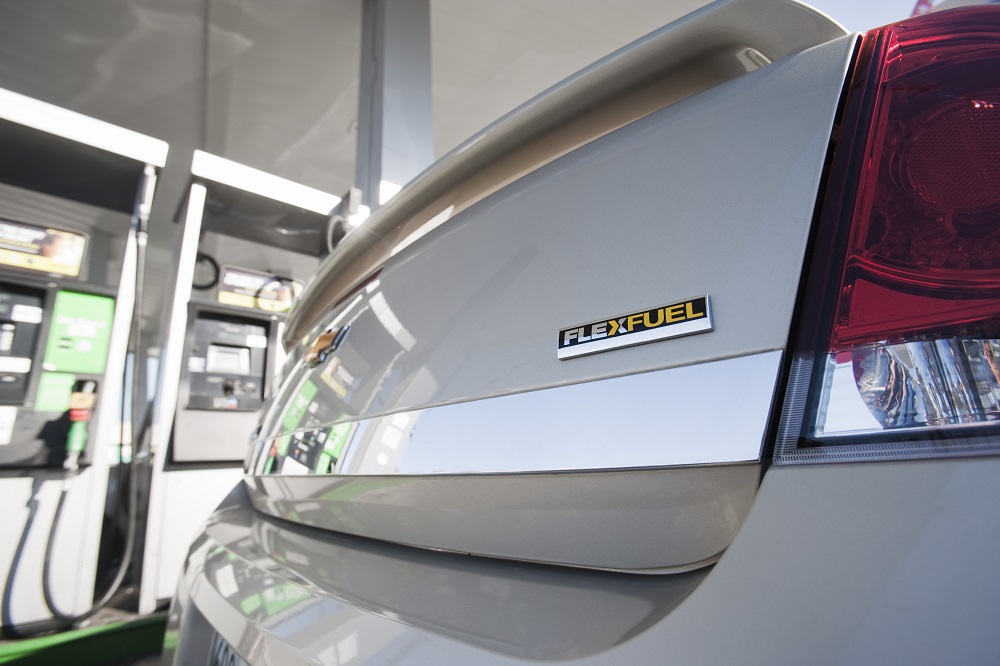
1. E85 Does Not Hurt a Real FFV by Itself
Start with the plain answer
A factory flex fuel engine can run gasoline, E85, or any normal mix between them. The fuel pump, injectors, seals, tank parts, and ECU calibration are built for alcohol exposure and richer fuel delivery. That is why a yellow fuel cap, FFV badge, or verified VIN matters before anyone blames the fuel.
Most E85 complaints start with range, not broken metal. The U.S. Department of Energy says FFV drivers usually feel little difference on E85 except lower miles per gallon. That lower range comes from fuel chemistry, not a cracked piston or wiped cam.
The failures start when the fuel gets wet, stale, dirty, or measured wrong. A bad ethanol reading can skew timing and fuel trims. A short-trip engine can load the oil with fuel before it ever gets hot enough to burn it off.
More ethanol means more fuel through the injectors
Gasoline wants about 14.7 parts air to 1 part fuel. Pure ethanol wants about 9.0:1. E85 usually lands near 9.7:1 to 10.0:1, depending on the blend.
That lower air-fuel ratio means the injectors must flow more fuel for the same work. Many E85 setups need about 30% to 40% more fuel volume to avoid a lean burn. A weak pump or undersized injector turns that math into lean surge, knock, or misfire.
Ethanol also carries less energy per gallon. EIA puts ethanol at about 33% less energy than pure gasoline, while real-world E85 use often cuts mileage by 15% to 30%. Cheap fuel stops looking cheap when the tank drains 30% faster.
Fuel behavior changes what the engine has to do
| Fuel trait | Gasoline or E10 | E85 or high ethanol | What changes in the engine |
|---|---|---|---|
| Energy per gallon | Higher | Lower | More fuel volume needed |
| Cold vaporization | Easier | Harder | Longer crank and richer cold start |
| Octane resistance | Lower | Higher | More spark advance possible with the right tune |
| Water behavior | Lower moisture tolerance | Higher tolerance, still vulnerable | Storage and contamination matter |
| Fuel economy | Better MPG | Usually 15% to 30% lower MPG | Pump savings need cost-per-mile math |
“E85” does not always mean 85% ethanol. The ASTM range allows about 51% to 83% ethanol, so winter fuel can carry more gasoline to help cold starts. That blend swing changes cranking, fuel trims, and range before any hard part fails.
2. The Fuel System Takes the Hit First
Real FFV parts are built for alcohol
A factory FFV does not survive E85 by luck. It uses ethanol-ready fuel lines, injector seals, pump materials, tank parts, and ECU logic. The VIN or yellow fuel cap matters more than the engine cover.
High-ethanol fuel turns risky when it reaches the wrong materials. Old rubber hose can soften. Carbon steel can pit. Weak tank coatings can shed debris into the filter.
That is why backyard “E85 conversions” fail when they stop at injectors and a tune. The pump, hose, rail, seals, and sensor all have to match the fuel. Miss one weak part and the leak starts under pressure.
Water and chloride turn ethanol into a corrosion problem
Ethanol can hold water and ionic dirt in the fuel stream. That mix can turn the tank, rail, and pump into a small corrosion cell. The worst damage starts when contaminated fuel brings chloride into the system.
Testing on 2008 Chevrolet Impala FFVs found severe material damage with chloride as low as 2 ppm. ASTM fuel specs limit chloride to 1 ppm, so bad storage or contaminated delivery hardware can push the fuel past the safe line. Once that happens, pitting can start inside parts you can’t see.
Pitting eats through protective metal layers. Galvanic corrosion attacks when dissimilar metals sit in conductive fuel. Stress corrosion cracking can split stressed steel parts inside a fuel rail or pump body.
Modern FFV systems avoid plain carbon steel for a reason. Stainless 304 uses about 18% chromium and 8% nickel. Stainless 316 adds 2.0% to 3.0% molybdenum, which helps fight pitting in high-chloride fuel.
Rubber swelling is the non-FFV warning light
Nitrile rubber works fine in many gasoline and diesel jobs. High-ethanol fuel can wreck it through absorption and extraction. The hose swells first, then hardens after ethanol pulls out the plasticizers.
That swelling can choke fuel flow inside a hose. O-rings can grow out of their grooves and leak. After the rubber dries and cracks, fuel pressure turns a material mismatch into a fire risk.
Factory FFVs use better sealing materials. FKM, often known by the Viton name, resists ethanol swelling and chemical extraction better than nitrile. PTFE-lined hose gives the cleanest barrier because ethanol does not attack it the same way.
Standard rubber hose can still breathe fuel vapor through the hose wall. That vapor loss gets worse with the gasoline side of the blend, especially aromatics like benzene and toluene. If the car is not a verified FFV, E85 belongs back in the pump nozzle, not in the tank.
3. Cold Starts Make E85 Look Guilty Fast
Cold ethanol does not light off easily
A cold flex fuel engine needs vapor, not just liquid fuel. Gasoline vaporizes easier at low temperature. Ethanol wants more heat before it becomes a burnable air-fuel mix.
The numbers explain the long crank. Ethanol needs about 840 to 900 kJ/kg to vaporize. Gasoline needs about 350 kJ/kg. So a cold intake port and cold cylinder wall can leave too much ethanol wet, not vaporized.
That wet fuel can sit on the port, wall, or piston crown during cranking. The ECU adds fuel to help the fire start. You feel the result as extra crank time, rough idle, or a raw fuel smell in the first few seconds.
Winter E85 gets more gasoline for a reason
Cold-weather E85 often carries less ethanol than the name suggests. In some markets, winter “E85” can drop toward E70 or even E51. More gasoline gives the blend lighter compounds that fire faster in cold air.
That seasonal swing matters after a fill-up. A tank with high summer ethanol content can crank harder when the weather drops. A tank with more winter gasoline can start cleaner, even in the same FFV.
Modern ECUs fight cold ethanol with rich cranking fuel. Some calibrations can add 200% to 300% more fuel during cold starts. That extra fuel helps ignition, but it can also leave raw fuel on cylinder walls.
Bad ethanol data can turn a cold start into a drive problem
The ECU has to know what blend sits in the tank. Many FFVs use a fuel composition sensor to read ethanol content and fuel temperature. If that signal goes wrong, fuel trim and spark timing move the wrong way.
A low ethanol reading can leave the engine lean on real E85. That can show up as surge, knock, lean codes, or a stumble after refuel. A high ethanol reading can command too much fuel and foul plugs.
Some vehicles estimate ethanol content through oxygen sensor feedback instead of a dedicated sensor. That method reacts after combustion already happened. A vacuum leak, weak injector, exhaust leak, or lazy O2 sensor can fool the math before the scan tool points at the fuel blend.
Start with live ethanol percentage, short-term trims, long-term trims, and fuel pressure. If the numbers don’t match the fuel in the tank, the next cold start can wash cylinders and foul plugs.
4. Short Trips Turn E85 Into Thin Oil
Cold fuel can slip past the rings
Cold starts and short trips are the bad mix. Ethanol that fails to vaporize can wash oil off the cylinder wall. Some of that liquid fuel slips past the rings and lands in the crankcase.
E85 makes that risk sharper because the engine injects more fuel volume. Cold enrichment can push even more liquid fuel into the bore. A 2-mile errand may shut the engine off before the oil gets hot enough to cook it out.
Gasoline dilution can boil off once the engine reaches full heat. Ethanol tends to stay in the oil longer because it needs more heat to vaporize. Short-trip E85 use can leave the dipstick smelling like raw fuel.
Thin oil does real metal damage
Fuel-thinned oil loses viscosity. Bearings, cam lobes, rings, timing chains, and turbo bearings need that oil film under load. Once the film gets weak, metal parts stop floating and start scuffing.
Ethanol can also interfere with ZDDP, the anti-wear additive in modern engine oil. Research notes thinner, less stable ZDDP tribofilms when ethanol contaminates the oil. That matters at the cam lobe, follower, ring face, and bearing shell.
Ethanol combustion can form acetic acid and formic acid. Those acids can eat into the oil’s detergent reserve. Sludge and varnish build faster when the oil has to fight fuel, acid, and heat together.
The oil-life monitor does not smell your dipstick
GM, Ford, and RAM use oil-life monitors that watch use, temperature, and driving patterns. Many modern trucks can stretch synthetic oil toward 7,500 to 10,000 miles in normal service. Continuous E85 use with cold starts and short trips falls into a harder service lane.
That lane can justify 3,000 to 5,000-mile oil changes. The number depends on warmup time, idle time, fuel blend, and how often the engine sees full oil temperature. A highway FFV has a much easier life than one doing cold school runs on E85.
Check the dipstick before trusting the dash. Rising oil level, strong fuel smell, or thin oil between your fingers means the crankcase is storing fuel. Keep running it that way and the bearings take the bill.
5. Sensors Can Turn Good Fuel Into Bad Running
The ethanol signal has to stay clean
Many FFVs use a fuel composition sensor in the fuel line. It reads ethanol content and fuel temperature, then sends that data to the ECU. The ECU uses that signal to move fuel delivery and spark timing.
Most modern flex fuel sensors use capacitance. Ethanol has a dielectric constant near 25.0. Gasoline sits near 2.1, so the sensor can read the blend as fuel passes between its electrodes.
The signal usually carries ethanol data by frequency and temperature by pulse width. If that signal jumps, drops, or lies, the ECU fuels the wrong tank. The driver feels misfire, lean surge, long crank, rich smell, or bad mileage.
A failed sensor can lie both ways
A flex fuel sensor can fail from dirty fuel, moisture, bad seals, or board corrosion. Ethanol can attack weak elastomer seals around the sensor electronics. Once vapor or condensation reaches the board, oxidation starts inside the housing.
A false low-ethanol reading can leave the engine lean on real E85. That raises knock risk and can trigger lean codes after a fill-up. A false high-ethanol reading can dump too much fuel, foul plugs, and thin the oil.
Conductivity-style sensing has another weak spot. Fuel ions and dirt can skew the reading. Contaminated fuel can turn a clean calibration into a rough idle and a scan tool chase.
Virtual sensing reacts after the engine has already burned the fuel
Some FFVs estimate ethanol content from oxygen sensor feedback. That saves a hardware sensor, but it waits for combustion data. The ECU has to see exhaust oxygen before it knows the blend math went wrong.
That delay matters after a big fuel change. Switch from gasoline to high ethanol and the first miles can run on old assumptions. A weak injector, vacuum leak, exhaust leak, or lazy O2 sensor can fool the system into blaming ethanol.
Virtual sensing also can’t prove what changed in the tank. It sees the result, not the cause. Confirm fuel trim, ethanol percentage, pump pressure, misfire counters, and the fuel sample before replacing good coils.
Use symptoms to pick the first test
| Symptom | Likely flex-fuel link | First checks |
|---|---|---|
| Long crank on E85 | Poor cold vaporization or wrong ethanol estimate | Fuel blend, battery cranking speed, ethanol reading |
| Lean codes after refuel | Sensor lag, bad adaptation, or low fuel pressure | Short-term trims, long-term trims, pump pressure |
| Rich smell and poor MPG | Wrong ethanol reading or stuck rich correction | Fuel composition data, trims, leaking injectors |
| Misfire after switching fuels | Plug wear, trim shift, or injector flow mismatch | Misfire counters, plugs, trims, injector balance |
| Oil smells like fuel | Cold enrichment and short-trip dilution | Oil level, drive cycle, change interval |
| Stalls after sitting | Stale fuel, water, or phase separation | Fuel sample, water test, fresh fuel |
6. Stored Ethanol Fuel Can Make a Good Engine Stall
Vented tanks pull water into the fuel
Ethanol absorbs moisture from air. A vented tank, loose cap, portable can, or rarely driven FFV gives that moisture time to build. NREL found ethanol-gasoline blends can absorb water from humid air and reach phase separation after enough exposure.
Phase separation puts the bad layer where the pump can grab it. The alcohol-water mix settles below the gasoline. Once the pump draws that layer, the engine can stumble, stall, or crank with no clean burn.
E85 can hold more water than E10 before it separates. The record puts E85 water tolerance as high as 4%. That higher limit helps, but it does not save fuel left in humid, vented storage for months.
E10 hits its water limit sooner than many owners expect
EPA material puts the E10 limit at about 0.5% water by volume at 60°F. After that point, the fuel can separate into gasoline and an ethanol-water layer. That matters for stored cars, boats, small engines, and FFVs that sit between fill-ups.
Once fuel separates, tune-up parts won’t fix it. New plugs can still misfire. Fresh coils can still chase a stall. The tank sample tells the truth before the parts bill grows.
A simple fuel sample can save hours. Cloudy fuel, water at the bottom, sour smell, or poor volatility points away from ignition. Drain bad fuel before the pump feeds water and alcohol through the injector rail.
Old fuel can fail before water shows up
Weathered ethanol fuel can lose light-end hydrocarbons before phase separation appears. Those light ends help cold start and fast vapor formation. When they leave, the engine cranks longer even if the fuel looks clean.
NREL’s weathering work found plastic tanks and portable containers can lose volatility faster than they gain moisture. Within 90 to 100 days, ethanol-blend fuel can fall below the 5.5 psi vapor-pressure floor needed for reliable operation. That failure can happen without a visible water layer.
Stored fuel needs testing before coils, injectors, or sensors get blamed. Check the sample, smell, vapor quality, and water line first. If the tank has separated fuel, the next hard fault is a stall, not a weak spark plug.
7. Old Tank Junk Can Masquerade as an E85 Problem
Ethanol can scrub varnish loose
High-ethanol fuel can clean old gum and varnish from tanks and lines. That sounds useful until the loose trash reaches the filter. A vehicle that spent years on gasoline may shed deposits after the first E85 switch.
The filter catches some of it. Fine debris can still reach injector baskets. Then fuel pressure looks weak, trims climb lean, and the engine stumbles after refuel.
This happens most often in older fuel systems or cars never built for flex fuel. A clean factory FFV tank has a different risk profile than a 20-year-old gasoline tank with varnish in the seams. Check pressure drop before blaming the fuel itself.
Injector screens can take the first hit
A real FFV can still clog a filter or injector after old deposits break free. Ethanol’s solvent action can move gum, sludge, and varnish that gasoline left alone. The failure shows up as low rail pressure, lean trims, rough idle, or misfire under load.
A restricted injector does not always fail dead. It can flow just enough at idle, then starve one cylinder under throttle. Misfire counters and injector balance testing matter more than guessing from the fuel smell.
Start with the filter, pump pressure, injector balance, and fuel sample. If the tank had stale fuel before the switch, the injector screen may be holding the evidence.
Keep the black goo story in the right lane
The ugly “black goo” cases belong mostly to fiberglass tanks and older incompatible fuel systems. Ethanol can attack polyester or vinyl ester resin in fiberglass reinforced plastic tanks. That reaction can leach phthalates and styrene into the fuel.
Those dissolved materials can pass through normal filters. When they hit hot intake valves, they can turn into a black sticky gel. Severe cases can stick valves, bend pushrods, reduce compression, and wreck an engine.
Modern factory FFVs with compatible tanks do not belong in the same warning bucket. The hard line is material fit. Fiberglass tank, old hose, unknown seals, or non-FFV hardware means ethanol can turn the fuel system into the failure.
8. E85 Rewards the Right Use and Punishes the Wrong One
Fresh fuel and full warmup make E85 behave
A factory FFV can handle E85 when the use pattern fits the fuel. Fresh fuel, steady driving, full warmup, and clean oil keep most problems out of the engine. The fuel system was built for ethanol exposure, richer flow, and blend changes.
High-octane E85 can also help a tuned turbo engine. Ethanol’s octane and charge-cooling effect let tuners run more boost and spark advance. That only works with enough injector, pump, tune, and ethanol-sensor headroom.
A stock FFV and a performance E85 build do not need the same parts. The stock truck needs clean fuel and correct sensor data. The tuned car needs fuel volume, safe pressure, and a calibration that does not go lean under load.
Storage, short trips, and old parts make E85 a bad bet
E85 becomes risky when the vehicle sits, short-trips, or runs unknown fuel parts. Vented storage pulls in moisture. Old hose can swell. Cold winter errands can push fuel into the oil before the engine reaches full heat.
The cost math can also turn against you. E85 often cuts fuel economy by 20% to 30%, so the pump price has to drop hard enough to cover that range loss. A common break-even rule puts E85 about 25% to 30% cheaper than regular gasoline.
That number moves by region. In one Midwest example, $2.30 E85 beat $3.20 gasoline by cost per mile. In a coastal example, $3.50 E85 lost to $4.00 gasoline because the MPG drop ate the pump savings.
Diagnose the fuel side before blaming the engine
Start with the vehicle ID. If it is a factory FFV, check the fuel sample, ethanol reading, trims, fuel pressure, plugs, oil level, and storage history. Bad fuel can mimic coils, injectors, oxygen sensors, and weak compression.
If the vehicle is not an FFV, high-ethanol fuel is the wrong test fluid. Old nitrile hose, weak O-rings, carbon steel, and unverified pump parts can fail before the piston crown ever knows what happened. The first damage point is usually the fuel system, not the short block.
Sources & References
- Flexible-fuel vehicle – Wikipedia
- Understanding Flex Fuel: Meaning, Pros, And Cons – CarBuzz
- What Is Flex Fuel? Benefits, Vehicles, and Engine Compatibility – PatSnap Eureka
- E85 Vs Gasoline: E85 Compatibility & Reliability – eFlexFuel
- E85 Vs Gasoline (Performance Cost MPG And Horsepower) – Elan Fuels
- Alternative Fuels Data Center Fuel Properties Comparison
- MF3068 Ethanol and Small Nonroad Engines – KSRE Bookstore
- Measuring Impact of E85 Fuel on V4 Engine Efficiency
- Deep Dive into Fuel Flex Sensor Technology in Automotive …
- Is E85 Bad for Your Engine? Myths, Facts & FFV Safety
- Is E85 Fuel Bad for Your Engine? Discover the Facts and Get the Best Advice
- E85 vs Gasoline: Fuel Economy, Cost Per Mile & Real Savings – E85 Gas Finder
- How much ethanol is in gasoline, and how does it affect fuel economy? – Frequently Asked Questions (FAQs) – U.S. Energy Information Administration (EIA)
- Fuel Properties Comparison – Alternative Fuels Data Center – Department of Energy
- Flex Fuel Vehicle Performance and Corrosion Study of E85 Fuel …
- Calculators – E85 Conversion Kits – eFlexFuel
- Ethanol Blends in Petrol: How to Protect Your Engine from Corrosion – Milex Global
- The Corrosive Reality of Ethanol Fuel – Biobor Fuel Additives
- 304 vs 316 Stainless Steel: Which Is Better for Corrosion Resistance, Cost, and Performance? | Ryerson
- Carbon Steel vs Stainless Steel – Markforged
- What type of fuel lines should I use? – Help Center
- Difference Between stainless steel 316 and 304 – thyssenkrupp Materials (UK)
- 304 vs 316 Stainless Steel: What You Need to Know – Unified Alloys
- What are the Differences Between 316SS, 304SS, CF8M, and CF8 Stainless Steels? – Discover Valve
- E85 and correct fuel hoses – Kaizen Motorsports
- Nitrile: Strengths, Weaknesses, and Compatibility – Elasto Proxy
- Rubber Fuel Line Guide: SAE Grades, Sizes & When to Replace – EVIL ENERGY
- Choosing the Right O-Ring for Fuel Systems: A Guide to Peak Performance – Yoson Seals
- Outboard Engine Fuel Line Maintenance and Repair Guide
- UAI: New data shows ethanol-free fuel blends increase engine wear
- Cold Start with Ethanol-Blend Fuels and Influences on Non-Legislated Emissions of a GDI Flex Fuel – Polish Journal of Environmental Studies
- Fabrication and testing of an enhanced ignition system to reduce cold-start emissions in an ethanol (E85) light-duty truck engine – UNT Digital Library
- Tuning Horsepower Innovations E85 carburetors.
- Method for Reducing Engine Cold Start Emissions from Transient Fueling in an Alternative Fueled Engine – The Ohio State University
- The Pros and Cons of Flexible Fuel Vehicles – In The Garage with CarParts.com
- The latest on the ethanol debate – Soundings Online
- The Effects of E-10 Ethanol Fuel on Marine Engines: What Boat Owners Need to Know
- July, 2009 | Outboard Motor Oil
- Hydrolysis in Fiberglass Failures | PDF | Differential Scanning Calorimetry – Scribd
- Rider group calls to stop ethanol fuel push – webBikeWorld
- Current Knowledge on Friction, Lubrication, and Wear of Ethanol …
- Impact of Ethanol on Engine Efficiency and How Fuel Additives Can Help – Milex Global
- How Often Should You Change Synthetic Oil in Trucks? – HVI App
- Clemson Vehicular Electronics Laboratory: Flex Fuel Sensors
- The Ultimate Guide To Understanding Fuel Level Sensor
- The Inner Workings of a Capacitive Fuel Sensor: A Non-Technical Guide
- Alcohol in Diesel: The Hidden Cause of Fuel Sensor Failure in Winter Logistics
- E85 and Flex Fuel Vehicles Technical Highlights – epa nepis
- Comparison of Emissions of Conventional and Flexible- fuel Vehicles Operating on Gasoline and E85 Fuels – EPA
- Understanding the Dangers of Phase Separation in Ethanol Blends – PetroClear
- Water Uptake and Weathering of Ethanol-Gasoline Blends in Humid …
- Change Your Oil More Often with E85 – YouTube
- The Ultimate Guide to Ford’s Oil Change Intervals and Maintenance – Modern Ford of Boone
- How Often Should You Really Get Your Oil Changed? – Desert 215 Superstore
- How often should I change the engine oil in my Ford?
- Engine Oil Change Guide: How Often Should You Change Your Oil? – S&B Filters
- My manual for 2019 f150 says ok to use e85 fuel, what’s the general consensus? Gas price here in Cali is insane. E85 is $3 premium is $6. – Reddit
- Service Bulletin INFORMATION – nhtsa
- Service Bulletin INFORMATION – nhtsa
- E85 vs. Gasoline – Economy & Consumption – eFlexFuel
- Comparison of flexible fuel vehicle and life-cycle fuel consumption and emissions of selected pollutants and greenhouse gases for ethanol 85 versus gasoline – PubMed