Flare on takeoff, slam into second, then hesitate like it lost the plan. That’s how Explorer automatics start talking before they break. Since the mid 1990s, Ford has cycled through the 5R55, 6R60, 6F50/6F55, and now the 10R60/10R80 in this SUV.
The early 5-speed units chew up their own cases with servo-bore wear. The 2011 switch to transverse 6-speeds brought lazy roll-outs, harsh bumps, and torque-converter shudder.
The 2020 return to rear-drive hardware added 10 gears, adaptive logic, and a CDF drum sleeve that can slide out of place and wreck shift timing.
Failures don’t look the same across generations. Some flare from hydraulic leaks. Others shudder from fluid breakdown. Newer ones may relearn smooth for a week, then slam again when worn metal wins.
This guide breaks down what fails, what it feels like, and which years carry real risk.
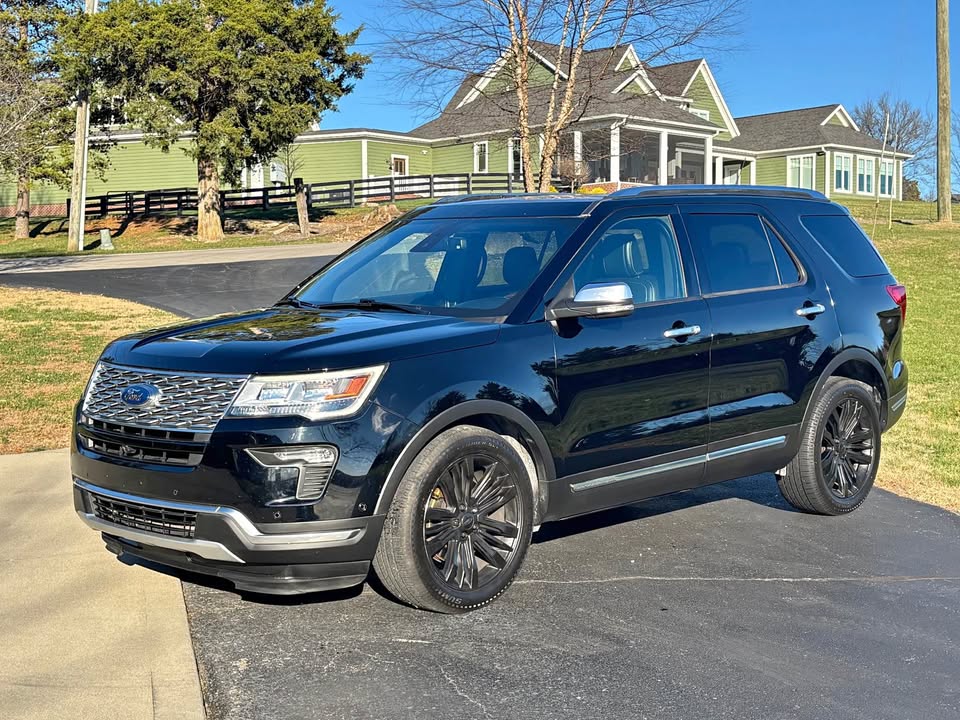
1. The Explorer transmission timeline and why each generation breaks differently
The 5R55 era and the start of electronic pressure control
Shift into Drive on a 2002 model, pause, then feel the bang. Third-gen Explorers ran 5R55W and 5R55S units with full electronic pressure control. Earlier second-gen trucks used 5R55E, still hydraulic at heart but PCM-managed.
These boxes replaced simple 4-speeds with tighter ratio spacing and lower highway RPM. They also added an integrated solenoid pack and electronic pressure control solenoid. That increased shift precision. It also added more failure points.
High complaint volume hit 2002–2005 models. Thousands of powertrain reports stacked up around slipping, flare, and lost reverse. The weak link centered on servo-bore wear and valve-body leakage inside the aluminum case.
The 2006 V8 upgrade that quietly fixed a lot
Bolt in the 4.6L V8 after 2006 and the story changes. Ford introduced the 6R60, a ZF-based 6-speed, in V8 trims. That unit carried stronger clutch packs and better internal oil routing.
Slip complaints dropped compared to the late 5R55S units. Harsh shifts still showed up in early 2006 builds, often tied to calibration or leftover 5R55 stock. The 6R60 held torque better and handled heat more consistently.
Fourth-gen V8 Explorers rank as the most durable of the early body-on-frame years. Internal hard-part failures were less common. Rebuild frequency fell compared to 2002–2005 trucks.
| Generation | Main transmission | Known pattern | Typical repair path |
|---|---|---|---|
| 2002–2005 | 5R55W / 5R55S | Servo wear, flare, lost reverse | Case sleeve repair or full rebuild |
| 2006–2010 V6 | Late 5R55S | Residual slipping, valve leaks | Valve body, solenoids, rebuild |
| 2006–2010 V8 | 6R60 | Fewer chronic defects | Targeted repair, lower rebuild rate |
The 2011 unibody shift and the 6F transaxle risk
Flip to 2011 and the Explorer moves to a transverse layout. Ford installs 6F50 and 6F55 transaxles shared with Taurus and Flex. The unit packs the differential and gearbox into one housing.
Low-speed behavior becomes the complaint zone. TSB 11-12-10 flags sluggish 0–5 mph acceleration followed by a harsh bump. The repair deletes a check ball and installs revised separator plates.
Small hydraulic restrictions caused large swings in performance. Check-ball seating and plate tolerances altered clutch feed timing. One internal change rewrote how the vehicle launched from a rolling stop.
By 2013–2014, torque-converter shudder joined the list. Light throttle in 3rd or 5th gear produced rumble-strip vibration. Many cases improved with fluid exchange. Severe cases required converter replacement.
The 2020 CD6 return and the 10-speed complexity jump
Reengineer the platform in 2020 and the layout goes longitudinal again. The Explorer adopts the 10R60 and related 10-speed hardware. Ratio spread widens to support strong launch and low cruise RPM.
Early builds developed harsh or delayed engagement. Internal inspection tied many cases to CDF clutch cylinder sleeve movement. Ford addressed this through bulletins like TSB 22-2428 and later 24-2254.
Units built before late 2022 carry higher CDF risk. Repair requires full transmission removal and teardown. Updated drums feature a retaining lip to stop sleeve walk, part revisions such as JL3Z-7H351-B confirm the hardware change.
Ten gears increase shift events per mile. More shifts mean more clutch apply cycles. Heat, fluid shear, and tight hydraulic passages leave less margin for wear than older 5-speed designs.
2. 5R55 failures and the servo-bore wear that ends older Explorers
Steel servo pins chew through soft aluminum cases
Rev spikes between gears, then the shift lands hard. High-mile 5R55W and 5R55S units often show servo-bore wear inside the case. The steel servo pin rides directly in an aluminum bore. Over time, the bore goes egg-shaped.
Hydraulic pressure leaks past the worn bore. Band apply pressure drops during the shift. The PCM commands more pressure to compensate, and the shift still flares.
Mileage past 120,000 raises the odds. Towing heat speeds the wear. Once the bore distorts, no fluid change will restore sealing.
Lost reverse and flare codes tell the story
Drop it into Reverse and wait. Then feel it slam or fail to move. That pattern points to servo leakage or valve-body cross-leak.
Common codes include P0732 or P0733 for gear ratio errors. The PCM sees input and output speeds that don’t match the commanded gear. Slip grows worse under load.
Some units enter limp mode and stick in one gear. Others drive fine cold, then slip hot as the case expands.
| Symptom | Likely internal fault | Typical repair |
|---|---|---|
| RPM flare on 2–3 shift | Servo-bore wear | Case sleeve repair or rebuild |
| Delayed or no reverse | Servo leakage or gasket failure | Valve body service or overhaul |
| Gear ratio code P0732 | Band slip from pressure loss | Internal repair |
Valve-body gaskets and solenoid packs stack the damage
Harsh engagement at every stoplight signals another layer. The 5R55 uses a bonded separator plate and integrated solenoid pack. Gasket blowout causes cross-leak between clutch circuits.
Solenoid packs develop internal shorts or sticking valves. Codes like P0751 or P0756 show up. Line pressure spikes, then drops.
Many third-gen Explorers carry stacked failures. Worn bores leak pressure. Gaskets leak fluid. Solenoids stick under heat. A full rebuild with case sleeves often runs $2,500 to $3,500 depending on parts and labor rates.
3. 6F50 and 6F55 problems and the lazy launch that turns violent
Rolling-stop hesitation and the check-ball fix
Creep through traffic, tip back into the throttle, then feel a delay and a thud. Early 6F50 and 6F55 Explorers built in 2011–2012 logged that exact complaint. Ford addressed it in TSB 11-12-10.
The bulletin called for removal of a specific check ball and revised separator plates. Hydraulic flow at 0–5 mph was restricted. Clutch feed timing lagged, then caught up all at once.
That small steel ball changed launch feel across the entire unit. One plate revision fixed thousands of vehicles without touching hard parts.
Harsh bump after coastdown and PCM strategy fights
Slow to a near stop, roll forward, then get a bump as it re-engages. PCM strategy updates targeted that behavior. Reprogramming altered clutch fill time and line pressure ramps.
In some cases, software alone cured the complaint. In others, worn valves inside the main control kept sticking. Solenoid control current did not match expected pressure rise.
Codes such as P0751 or friction element timing faults could follow. A valve-body replacement runs $800 to $1,500 in parts and labor, depending on region.
| Symptom | Root cause | Service path |
|---|---|---|
| Sluggish 0–5 mph takeoff | Check-ball restriction | TSB 11-12-10 valve-body update |
| Harsh bump after roll | PCM calibration, clutch fill timing | Reflash, possible valve body |
| Erratic shift timing | Sticky valves, solenoid variance | Main control replacement |
Rumble-strip shudder under light throttle
Cruise at 35 to 45 mph, hold steady throttle, feel vibration through the seat. Many 2013–2014 Explorers developed converter clutch shudder in 3rd or 5th gear. Fluid shear and clutch glazing drive the problem.
Friction material slips, grabs, then slips again at high frequency. Fluid loses friction stability around 120,000 miles in neglected units. Heat from stop-and-go driving speeds breakdown.
Early cases respond to full fluid exchange with Mercon LV. Advanced shudder often requires torque-converter replacement. Converter and overhaul work can reach $3,000 to $4,500 once debris spreads through the case.
4. Torque converter overheating and when shudder turns into full teardown
Overheated converters that poison the whole unit
Feel a vibration in Drive at idle, then a weak launch off the line. Ford flagged this in TSB 20-2271 for certain 2.3L Explorers. The torque converter overheats and starts shedding material.
Once the clutch lining breaks down, debris circulates through the pump and valve body. Metal and friction dust contaminate every hydraulic circuit. Line pressure control suffers first, then clutch timing drifts.
The fix in the bulletin calls for converter replacement and internal transmission overhaul. A simple converter swap won’t cut it once debris spreads.
Rough idle in gear and lazy takeoff under load
Stop at a light, foot on the brake, engine feels rough only in Drive or Reverse. Shift to Neutral and the vibration fades. That pattern points to converter clutch instability.
Launch from a stop and the RPM climbs slower than normal. Acceleration feels soft, then catches. Heat builds fast in city driving.
Scan data may show no hard codes early on. In advanced cases, friction element timing codes or P1744 appear. Continued driving raises internal temps past 220°F and accelerates clutch damage.
| Complaint | Likely failure path | Repair level |
|---|---|---|
| Vibration only in gear | Converter clutch slip | Fluid exchange or converter |
| Weak takeoff, no codes | Overheated converter | Converter and internal inspection |
| Shudder plus debris in pan | Lining breakdown | Full rebuild |
The 2.3 EcoBoost pairing and added thermal load
Turbo torque hits early and hard in the 2.3L setup. Peak torque arrives around 3,000 rpm. That load stresses the converter clutch during partial lockup.
Stop-and-go traffic keeps the converter in slip longer. Heat cycles climb with every short trip. Cooling capacity becomes the limiting factor.
Once friction material enters the fluid, it embeds in valves and solenoids. Overhaul with converter, seals, and clutch packs often lands between $3,500 and $5,000 at retail labor rates.
5. 10R60 and 10R80 problems and the CDF drum that walks out of place
CDF sleeve movement and hydraulic chaos inside the case
Shift into Drive and wait two seconds before it hits. Early 10R60 and 10R80 units built before late 2022 show that delay. Internal teardown often finds the CDF clutch cylinder sleeve has moved.
The CDF drum feeds multiple clutch packs through aligned oil ports. When the sleeve walks, it blocks or misaligns those ports. Hydraulic pressure leaks or arrives late.
Clutch apply timing drifts out of spec. The transmission may hang between gears or slam once pressure spikes. Ford addressed this in bulletins such as 22-2428 and later 24-2254.
Repair requires full removal and disassembly. Updated drums add a retaining lip to prevent sleeve movement.
Harsh engagement, floating gears, and repeat complaints
Roll into a parking spot and feel a bang as Reverse engages. Accelerate lightly and the shift feels confused. Some units hunt between 4th and 5th under steady throttle.
Scan data may show friction element timing codes like P2700 through P2705. Gear ratio codes can follow if slip grows. Adaptive relearn may smooth it briefly, then harshness returns.
Vehicles built before mid-August 2022 carry higher risk. Updated production hardware phased in after that date reduces CDF sleeve walk.
| Symptom | Internal cause | Required action |
|---|---|---|
| Delayed Drive or Reverse | CDF sleeve misalignment | Transmission removal and overhaul |
| Bang into gear | Pressure delayed then applied hard | Updated CDF drum install |
| Floating between gears | Port blockage from sleeve shift | Full teardown and drum replacement |
| Harsh shift after relearn | Hardware defect persists | Internal repair |
Wide ratio spread and tight hydraulic margins
Ten speeds mean more clutch events per mile. Each shift demands precise solenoid control. Mercon ULV fluid supports low drag but runs thinner than older specs.
Heat and debris leave less margin for error. Small hydraulic leaks show up fast as performance complaints. Full CDF-related overhaul commonly runs $4,000 to $6,000 once labor and updated parts are included.
6. Adaptive learning, main control break-in, and the false smooth reset
Adaptive shift tables that learn around wear
Shift harsh one week, smooth the next. The 10R60 and 10R80 use adaptive shift strategy to tune clutch fill times. The PCM tracks turbine speed, output speed, and solenoid current.
It adjusts line pressure and apply timing over thousands of shifts. Minor wear can be masked for a while. Data tables drift as the unit ages.
Clear those tables and the transmission reverts to baseline values. If hardware wear remains, harshness returns within a few drive cycles.
Transmission accelerated main control break-in routine
Some 2020 Explorers received the TSB 20-2403 procedure. That routine cycles solenoids rapidly to free sticky valves in the main control. It recalibrates clutch apply timing under controlled conditions.
Units with minor debris or tight valve clearances often improve. Engagement delay and harsh 1–3 shifts can settle down. The procedure does not repair worn clutch drums or leaking sleeves.
If harsh engagement reappears after a short relearn period, internal leakage likely remains. Main control break-in cannot correct metal distortion inside the case.
| Condition | Software action | Outcome |
|---|---|---|
| Harsh cold shift | Adaptive relearn | Temporary improvement |
| Delayed engagement | Break-in routine | May free sticky valves |
| Repeated harsh shift | Clear adaptive tables | Short-term reset only |
| Persistent timing codes | No software fix | Internal repair required |
When software hides hardware failure
Reset the module and the Explorer may drive fine for a week. As clutch wear increases, apply times stretch again. Codes like P2701 or P2703 may return.
Adaptive logic cannot seal a leaking CDF drum. It cannot restore worn clutch friction. Once apply time exceeds calibrated limits, the PCM logs a fault and reduces torque.
Repeated resets without hardware repair waste time and fluid. Full internal correction remains the only lasting fix once hydraulic leakage exceeds design tolerance.
7. 2025 Explorer programs and the one-way clutch that can drop power
Incorrect roller bearings inside the one-way clutch
Accelerate onto a highway ramp and feel power vanish. Certain 2025 Explorers built between Sept 20 and Oct 9, 2024 fall under CSP 25B01. The issue centers on incorrectly sized roller bearings inside the one-way clutch.
The one-way clutch locks torque in one direction and freewheels in the other. Wrong roller dimensions prevent full mechanical lock. Under load, the clutch can slip or fail to hold.
Slip generates heat fast. Continued operation risks internal damage to drums and gearsets. The program calls for inspection and, in many cases, full transmission replacement under warranty.
Failure to address the defect can lead to sudden loss of motive power. Unit replacement remains the prescribed fix.
PCM glitch and momentary power loss events
Press the throttle and the vehicle hesitates or stalls briefly. CSP 25B02 covers certain 2025 Explorers for a PCM software fault. The module may reset when specific diagnostic values align.
A reset can interrupt throttle and torque commands. The event feels like a transmission slip from the driver’s seat. No internal clutch damage exists in these cases.
Ford’s remedy involves PCM reprogramming. Updated calibration prevents erroneous resets during normal operation.
Software correction restores normal torque delivery. No internal transmission teardown is required for this condition.
8. Fluid strategy, pan drops, and why “lifetime” fluid ends these boxes early
Fluid breakdown and rising clutch apply times
Shudder at 40 mph often starts in the fluid. ATF handles lubrication, cooling, and clutch friction control. Heat cycles shear the additives and lower friction stability.
Microscopic clutch material circulates through the valve body. Debris scores valves and sticks solenoids. Apply times increase as pressure leaks past worn surfaces.
Ford service intervals can stretch to 150,000 miles under normal duty. Stop-and-go traffic and towing push temps past 220°F. Fluid that dark and burnt accelerates converter and clutch wear.
Pan drop versus full flush under high mileage
Drain the pan and replace the filter. That swaps roughly 30% to 50% of total fluid. The torque converter and cooler lines still hold old fluid.
A machine flush replaces 90% to 100% of the fluid. It also forces new fluid through cooler circuits. High-mile neglected units can release trapped debris during a flush.
Pan service carries lower risk on units past 100,000 miles with unknown history. A flush on a worn 6F55 or 10R60 can trigger immediate shift complaints if varnish breaks loose.
| Service type | Fluid replaced | Risk level on high-mile unit | Typical cost |
|---|---|---|---|
| Pan drop | 30–50% | Low to moderate | $200–$400 |
| Full flush | 90–100% | Moderate to high | $300–$600 |
Once clutch material contaminates the valve body, no fluid change restores worn friction surfaces.
Correct fluid spec and the cost of getting it wrong
Use Mercon LV in 6F50 and 6F55 units. Use Mercon ULV in 10R60 and 10R80 units. The viscosity difference affects clutch fill timing and line pressure control.
ULV runs thinner to cut drag in 10-speed units. LV carries a different additive package for 6-speed transaxles. Mixing them alters shift feel and can trigger friction element timing codes.
Total fill capacity runs about 10.9 to 11.6 quarts for 6F units. The 10R60 total fill sits near 12.9 quarts. Wrong fluid choice can produce shudder and harsh shifts within a few hundred miles.
9. Used Explorer bets, which years bite and which hold up
2002–2005 models and stacked 5R55 failures
Shift flare, lost reverse, harsh 2–3 shifts. Third-gen Explorers with 5R55W and 5R55S units built from 2002 to 2005 carry the worst reputation. Servo-bore wear, valve-body gasket leaks, and solenoid-pack faults often stack together.
High complaint volume and repeated rebuilds marked these years. Many units needed case sleeves and full clutch replacement before 120,000 miles. A proper rebuild with upgraded sleeves typically runs $2,500 to $3,500.
Buy without proof of rebuild and updated parts, and you’re risking aluminum wear inside the case.
2006–2010 V8 models and the stronger 6R60 path
Step into a fourth-gen V8 and the tone changes. The 6R60 handles torque from the 4.6L more cleanly. Fewer chronic hydraulic leaks show up compared to late 5R55 units.
Slipping and harsh shifts still appear in early 2006 builds. Most cases originate from calibration or isolated valve issues. Hard-part failures occur less often than in prior generations.
Documented service and fluid changes matter. Neglected units still suffer heat-related wear past 150,000 miles.
| Era | Transmission | Risk level | Why |
|---|---|---|---|
| 2002–2005 | 5R55W / 5R55S | High | Servo wear, stacked hydraulic faults |
| 2006–2010 V6 | Late 5R55S | Moderate to high | Residual slip and valve leaks |
| 2006–2010 V8 | 6R60 | Moderate | Stronger base design |
2011–2019 crossovers and converter caution
Unibody Explorers with 6F50 or 6F55 shift smoother when healthy. Low-speed hesitation and shudder remain the watch points. Verify completion of TSB 11-12-10 work on early models.
Ask about fluid service history. Converter shudder often begins near 100,000 to 130,000 miles on original fluid. Rebuilds tied to converter debris can hit $3,500 to $5,000.
Clean pan, smooth launch, and documented fluid changes reduce risk. Burnt fluid smell and rumble-strip vibration signal looming internal wear.
2020–2022 early 10-speeds and CDF exposure
Rear-drive CD6 models with early 10R60 builds need build-date checks. Units built before mid-August 2022 carry higher CDF sleeve risk. Repeated harsh shifts after adaptive resets point toward hardware.
Verify campaign work and part updates. Updated CDF drum installation shows up in repair orders. Overhaul for CDF-related failure often runs $4,000 to $6,000.
Later 2023–2025 builds with updated hardware and completed programs present lower mechanical risk. Lack of documentation leaves you exposed to internal sleeve movement and full teardown costs.
Sources & References
- The Evolution of the Ford Explorer – Mark Ficken Ford Lincoln Blog
- List of Ford Transmissions – Wikipedia | PDF – Scribd
- Under the Hood: The Ford 5R55 Transmission — Versatility …
- Ford Explorer Transmission Failures: More Common Than You …
- List of Ford transmissions – Wikipedia
- Ford Explorer Transmission Solenoid Problems [Explained] – Robison Lemon Law Group
- 5 Signs Your Car Has a Bad Transmission Shift Solenoid (Only MECHANICS Know)
- Ford Explorer Generations Ranked By Reliability – CarBuzz
- 6f50-6f55 Check Balls | PDF | Technology & Engineering – Scribd
- TECHNICAL SERVICE BULLETIN 10R60/10R80 – Harsh Engagement/Harsh Shift/Delayed Shift With Or Without DTCs 20- 2403 – nhtsa
- 6F50/6F55 TRANSMISSION—SLUGGISH TSB 11-12-10 ACCELERATION FROM 0-8 KM\H (0-5 MPH) FOLLOWED BY A HARSH BUMP OR A SLIP ON TAKE-O
- FORD 6F50, 6F55 ZIP KIT® – transend
- 2013 Ford Explorer transmission shudder – Submit Your Question HERE – CarKiller
- 2014 Explorer with transmission shudder in 3rd gear (30-40 mph), like it can’t decide to shift up or down. I am sure this is the original trans fluid at 130,000 miles. Will a fluid drain and refill with a bottle of Lucas oil likely fix the problem? : r/Ford – Reddit
- GM–Ford 6-speed automatic transmission – Wikipedia
- Case Study: General Motors Chevrolet Traverse Wave Plate Failure
- 2017 Lariat 5.0L 4×4 Transmission Shudder still present after torque converter replacement : r/f150 – Reddit
- TECHNICAL SERVICE BULLETIN 2.3L – Vibration/Rough Idle In DRIVE Or REVERSE, Lack Of Engine RPM/Acceleration On Take Off And/Or Shudder While Driving 20- 2271 – nhtsa
- Transmission Flush vs Fluid Change: Which is Better? – Amsoil Blog
- Ford 10R80 10-speed Transmission Class Action | Home – Charney Lawyers
- The Ford 10 Speed Transmission Lawsuit: What You Need to Know – Quill and Arrow Law
- Ford Transmissions Class Action Lawsuit – Wallace Miller
- TECHNICAL SERVICE BULLETIN 10R60/10R80/10R80 MHT Automatic Transmission – Harsh/Delayed Engagement And
- CDF Drum Failure/TSB 22-2428. Ever heard of it? : r/f150 – Reddit
- 10R80 CDF Triple Drum (NEW DESIGN) – SunCoast Performance
- 10R80 CDF Drum Failure – YouTube
- TECHNICAL SERVICE BULLETIN 10R80 Transmission – Harsh/Delayed Engagement And/Or Harsh/Delayed Shift – Built On Or Before 15-Aug-2022 24-2254 – nhtsa
- TSB 24-2046 | PDF | Clutch | Motor Oil – Scribd
- Febrero 2025 Programa de satisfacción del cliente 25B01 Sr … – nhtsa
- Are there 2 different TSBs for the 10r80 CDF drum? : r/f150 – Reddit
- F150 10R80 Updated CDF Drum – Reddit
- Transmission/Transaxle: 10R80 MHT
- Fix for harsh/delayed 10R80 shifting : r/Mustang – Reddit
- Ford Power Stroke 10-Speed Hard Shift Fix! TCM Reset with Auto Agent 3 – YouTube
- U.S. Ford and Lincoln Dealers SUBJECT: Customer Satisfaction Program 25B02 Certain 2025 Model Year Aviato – nhtsa
- 2025 Ford Explorer Under New Recall for Software-Related Power Loss Problem – TFLcar
- Ford 10R80 10-speed Transmission Class Action | Register – Charney Lawyers
- Ford Motor Company | The ClassAction.org Legal News Wire
- Recall Information – Ford Recalls | Ford Owner Support
- Recurring Ford Explorer Transmission Issues: What You Need to Know
- Transmission Fluid Change & Flush Guide – Parkway Ford
- Ultimate Guide: Transmission Fluid Change vs Flush – What You Need to Know
- When Should You Change Your Ford Transmission Fluid? – Huntersville Ford
- Transmission Fluid Change vs Flush – Jiffy Lube
- Capacities and Specifications
- Capacities and Specifications – 3.5L Ecoboost
- Automatic Transmission Fluid Chart
- 2022 Ford EXPLORER (2.3L 4 -cyl Engine Code [H] 99H H Turbo) Motor Oil, Filters and Lubricants – AMSOIL
- U.S. Ford and Lincoln Dealers SUBJECT: Customer … – nhtsa
- 6F50 Troubleshooting, Diagnostic Help! – TRNW
- Troubleshooting Ford Explorer Transmission Problems – Lemon Law Attorney
- Recall Information – Ford Recalls | Ford Owner Support
Was This Article Helpful?