
Roll into the throttle, feel the flare, then a hard bang into the next gear. That’s how Ranger automatics start to talk back. From the late 1990s through 2024, Ford cycled this truck through the 5R55E, 6R80, 10R80, and now 10R60 gearboxes.
The old five-speed wears out its own aluminum case. The six-speed carries strong gears but hides a fragile lead frame. The ten-speed packs tight clutches and thinner fluid, then adds software that masks trouble until it turns violent.
This guide breaks down what fails, why it fails, and which years carry real risk. Next, the timeline shows how each transmission era developed its own signature weakness.
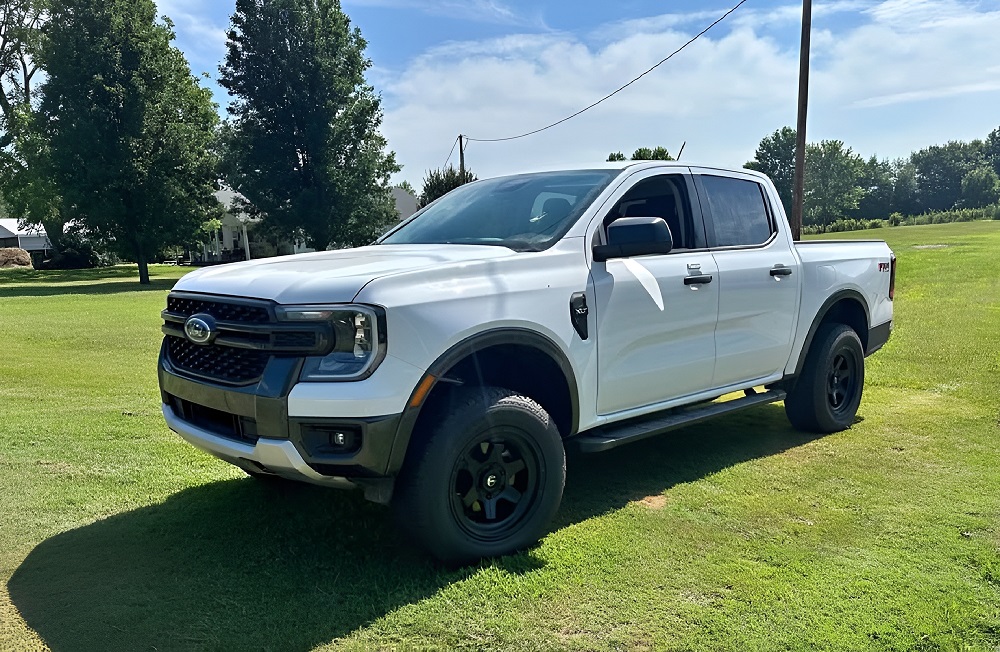
1. The Ranger transmission timeline and why each era fails differently
5R55E, when the case wears before the gears do
North American Rangers ran the 5R55E through 2011. Internals were sturdy. The weak link lived in the aluminum case.
Steel servo pins cycle inside soft aluminum bores. Over time, those bores egg out. Hydraulic pressure leaks past the servo instead of clamping the band.
RPM flares during the 2-3 or 3-4 shift mark early wear. Codes like P0732 and P0733 show up as ratio errors. Ignore it long enough and 2nd or 5th gear disappears.
Aftermarket fixes involve machining the case and installing brass sleeves. Skip that step and a full rebuild runs $2,500 to $3,500.
Delayed reverse often traces to EPC wear and low line pressure. Burnt Mercon V accelerates bore erosion once fluid temps exceed 220°F.
Ford marketed some variants as sealed. Fluid often stayed in place past 100,000 miles. Worn fluid loses viscosity, line pressure drops, and the aluminum case pays the price.
6R80, when one lost speed signal can trigger chaos
Global PX Rangers moved to the 6R80 starting in 2011. The geartrain handles far more torque than the 3.2L diesel delivers. The trouble sits inside the molded lead frame.
The Output Shaft Speed sensor lives in that plastic harness. When the OSS signal drops, the TCM loses vehicle speed reference. Codes P0720 and P0722 follow.
Some trucks downshift violently at highway speed. The module thinks the truck stopped. NHTSA investigations into similar F-150 units flagged the safety risk.
Lead frame replacement requires a pan drop and valve body removal. Parts and labor often land between $900 and $1,500. Full rebuilds after clutch burn-up exceed $5,500.
Thermal bypass valves also stick closed. Fluid then bypasses the cooler. Temperatures can exceed 250°F under tow load, and clutch packs glaze quickly.
10R80 and 10R60, when tighter tolerances leave no margin
North American Rangers returned in 2019 with the 10R80. Ten gears require precise clutch timing. Four clutches stay applied at most times.
The CDF drum contains a pressed-in sleeve. Early units allowed that sleeve to walk. Once it shifts, fluid passages misalign and internal leaks form.
Symptoms show as delayed Drive engagement and harsh 3-5 shifts. Some units log ratio codes like P0735 or harsh engagement complaints tied to TSB 22-2428. Fix involves replacing the drum with updated part JL3Z-7H351-B.
Labor requires transmission removal and teardown. Dealer quotes often exceed $6,000 out of warranty.
Ford introduced the 10R60 in 2024 for standard Rangers. Lower torque rating, roughly 600 N·m. Later production units include the updated drum design from factory.
Both ten-speeds use Mercon ULV. Fluid shears quickly above 240°F. Extended heat exposure reduces clutch life dramatically, often before 70,000 miles under heavy tow use.
2. 5R55E problems, the servo-bore wear that defines the old Ranger
Steel pins chewing through an aluminum case
North American Rangers with the 5R55E fail at the servo bores. Steel servo pins cycle thousands of times per drive. The case is aluminum. The pins win.
Each 2-3 and 3-4 shift applies a band through that servo. As the bore goes out of round, fluid leaks past the piston. Line pressure drops at the band, even when the pump is healthy.
The TCM sees slip and commands more pressure. Eventually it logs P0732 or P0733 for ratio error. The geartrain stays intact while the case erodes around it.
Once the bore wears far enough, the band can’t hold. Second or fifth gear disappears completely. At that point, sleeving the bore or replacing the case becomes mandatory, with rebuild costs averaging $2,500 to $3,500.
What shift flare really means
Feel the engine rev climb between gears. That flare during 2-3 is hydraulic leakage in motion. The band applies late, catches hard, then the shift finishes.
Cold fluid masks early wear. Once fluid temp passes 200°F, viscosity drops. Leakage increases and flare grows worse.
Many owners chase solenoids first. The EPC solenoid can wear and trigger P0745, but bore wear remains the underlying issue in high-mile units past 120,000 miles. Ignoring flare often leads to burnt bands and debris in the pan.
Delayed reverse and pressure loss
Shift into Reverse and wait two seconds before engagement. That delay signals low line pressure. The overdrive and intermediate bands rely on stable apply pressure to clamp.
EPC wear compounds the problem. As the valve body ages, pressure control becomes inconsistent. Reverse engagement grows slower, then slams once pressure finally builds.
Repeated delay overheats the band. Friction material sheds into the fluid. Once debris circulates through the pump and valve body, a full teardown becomes unavoidable, often exceeding $3,000.
Sealed service intervals that accelerated failure
Some 5R55 variants shipped without a dipstick. Ford called them long-life units. Real-world towing pushed fluid temps past 220°F.
Mercon V oxidizes under sustained heat. Dark fluid loses friction stability and film strength. That thin fluid accelerates servo-bore wear and valve body erosion.
Shops that service these every 30,000 to 50,000 miles report far fewer band failures. Units left untouched past 100,000 miles commonly show heavy bore wear and band damage requiring case machining or replacement.
3. 6R80 problems, when one bad signal turns a strong gearbox violent
Solid gears, fragile electronics
Global PX Rangers moved to the 6R80 starting in 2011. The geartrain handles torque well beyond the 3.2L diesel’s output. Failures rarely start in the planetaries.
The weak point lives in the molded lead frame. That plastic harness carries power and signal to the solenoids and sensors. It houses the Output Shaft Speed sensor and the Range sensor.
When that circuit degrades, the TCM loses clean data. The transmission hardware stays intact while the control logic collapses.
The OSS dropout that causes highway chaos
Cruise at 60 mph, then feel a sudden harsh downshift. The speedometer may drop to zero. Codes P0720 and P0722 often follow.
The TCM reads zero vehicle speed when the OSS signal fails. It may command an aggressive downshift based on false data. That event shocks the driveline and can unsettle the rear axle.
Ford faced federal investigation over similar 6R80 behavior in F-150 applications. In Ranger service bays, lead frame replacement remains the common fix.
Pan removal and valve body access are required. Typical repair cost ranges from $900 to $1,500. Clutch damage from repeated events can push total rebuild cost past $5,500.
Range sensor faults and no-crank surprises
Turn the key and nothing happens. The truck thinks it’s not in Park. Codes P0705 or P0708 point to range sensor faults inside the same lead frame.
Moisture intrusion and internal corrosion degrade signal accuracy. Intermittent faults often appear after heat soak. Restarting the truck may clear the condition temporarily.
Repeated faults force limp mode. The transmission may default to a single gear. Extended driving in that state overheats the clutch packs and accelerates wear.
Thermal bypass failures that cook the fluid
The 6R80 uses a thermal bypass valve to regulate cooler flow. When that wax element sticks closed, fluid bypasses the external cooler. Under towing load, temperatures can exceed 250°F.
Fluid darkens quickly at those temps. Clutch material sheds into the pan. Burnt fluid then circulates through the valve body and solenoids.
Once clutch plates glaze, friction capacity drops sharply. Full teardown and clutch replacement commonly exceed $5,000 when overheating goes unchecked.
4. 10R80 problems, the CDF drum that turned smooth shifts into hard shocks
The sleeve that walks inside the CDF drum
North American Rangers returned in 2019 with the 10R80. Ten forward gears demand tight hydraulic timing. The CDF drum manages clutch feeds for 3rd, 5th, and 8th.
Early drums used a pressed-in sleeve. Heat and hydraulic force allow that sleeve to move axially. Once it shifts, clutch feed passages misalign and pressure leaks off.
Internal leakage builds slowly. Adaptive software raises line pressure to mask it. When the leak grows too large, harsh shifts and flare appear suddenly.
Ford updated the drum design in August 2022. Repair requires transmission removal and teardown. Dealer repair often lands between $5,500 and $7,000.
The harsh 3-5 shift that signals internal movement
Feel a delayed engagement into Drive. Then a hard lunge. That pattern points to clutch fill delay inside the drum circuit.
During a 3-5 upshift, the oncoming clutch receives late pressure. The shift flares briefly. Then it applies hard once pressure spikes.
Codes like P0735 or shift timing faults may log. Many units show no code at first. Adaptive reset rarely cures it for long.
Continued driving overheats affected clutch packs. Friction material sheds into the fluid. Metal contamination accelerates valve body wear and pushes rebuild costs past $6,000.
The “E” clutch and overdrive slip
The E clutch handles 7th through 10th gears. It carries smaller friction surface area than primary drive clutches. Heavy towing in overdrive stresses it quickly.
Slip in 8th or 9th under load signals reduced clutch holding power. RPM may rise without a full downshift. Burnt fluid smell often follows.
Extended slip glazes the friction lining. Once glazed, friction coefficient drops sharply. Converter and clutch replacement with full overhaul commonly exceeds $6,500.
Software masking hardware wear
The 10R80 uses adaptive shift strategy. It monitors clutch fill times and adjusts solenoid duty cycles. Minor leaks can be hidden for thousands of miles.
Drivers often report flawless operation until 40,000 or 50,000 miles. Then harsh engagement begins within a week. Hardware movement outpaces software compensation.
Repeated relearns restore smoothness briefly. When harsh shifts return within a few hundred miles, internal hardware has already shifted beyond safe tolerance, requiring mechanical repair.
5. 10R60 versus 10R80, how torque rating and build date change the risk
Why Ford split the ten-speed lineup
Ford moved standard 2024 Rangers to the 10R60. The 10R80 stays in the Ranger Raptor. Torque rating tells the story.
The 10R60 handles about 600 N·m. The 10R80 handles about 800 N·m. The hardware inside reflects that difference.
The 10R60 uses smaller clutch plates and lighter rotating mass. It also entered production after the early CDF sleeve failures surfaced. Most 2024 units ship with the updated drum design from the factory.
Later build date, fewer early CDF complaints
Early 2019 to mid-2022 10R80 units saw the highest CDF drum complaints. Harsh 3-5 shifts and delayed Drive engagement dominated dealer reports. Ford revised the drum around August 2022.
The 10R60 launched after that update window. That timing matters. Fewer factory CDF sleeve issues show up in early owner reports for 2024 models.
The internal architecture still runs tight clutch timing. It still depends on Mercon ULV. Heat and fluid neglect will shorten its life just as quickly.
Raptor load changes the thermal equation
The Ranger Raptor keeps the 10R80 for torque demand. The 3.0L twin-turbo engine pushes far more load through the clutches. Aggressive throttle and off-road use spike fluid temperature fast.
Sustained temps above 240°F thin Mercon ULV rapidly. Clutch holding capacity drops as viscosity falls. Repeated heat cycles glaze friction material and darken fluid before 60,000 miles in heavy-use trucks.
Out-of-warranty 10R80 Raptor rebuilds frequently exceed $7,000 once clutches and converter require replacement.
6. Torque converter shudder, the rumble that spreads metal through the system
The rumble strip at 40 mph
Cruise at 35 to 55 mph and feel a light vibration. RPM flickers 100 to 200 rpm. That’s torque converter clutch shudder.
The TCC tries to lock. It slips, grabs, then slips again. Friction lining overheats during each cycle.
Many trucks log P0741 for TCC performance. Some show no code at first. The vibration often appears between 30,000 and 70,000 miles.
What shudder does inside the case
Each slip event sheds fine friction material. That debris circulates through the pump and valve body. Pump efficiency drops as abrasive particles score the rotor.
Line pressure stability suffers. Clutch apply timing drifts. What began as mild vibration turns into harsh shifts and delayed engagement.
Fluid darkens quickly under repeated slip. Once clutch material contaminates the system, flushing alone rarely restores full holding capacity.
Why fluid service buys time, not a cure
Fresh Mercon ULV restores friction modifiers. Shudder often fades after service. Many owners think the issue is solved.
Glazed converter lining remains damaged. As fluid ages again, the vibration returns. Repeated shudder accelerates clutch wear across the entire transmission.
Permanent repair requires torque converter replacement and cooler flush. Combined parts and labor commonly run $2,500 to $4,000 before internal damage spreads further.
7. Heat and fluid breakdown, the quiet issue inside every modern Ranger
Mercon ULV runs thin and runs hot
The 10R80 and 10R60 use Mercon ULV. It’s ultra-low viscosity by design. That thin fluid reduces drag and helps fuel economy.
Normal operating temp sits around 195°F to 215°F. Sustained temps above 230°F start thinning the fluid rapidly. At 240°F and higher, clutch holding capacity drops fast.
ULV shears down quicker than older Mercon V. Once viscosity falls, line pressure stability suffers. Repeated exposure above 250°F shortens clutch life dramatically, often before 70,000 miles under tow load.
| Fluid Temperature | What Happens Internally | Long-Term Result |
|---|---|---|
| 200°F | Normal viscosity range | Stable clutch apply |
| 230°F | Viscosity begins thinning | Reduced pressure margin |
| 240–250°F | Friction stability declines | Increased clutch slip |
| 260°F+ | Rapid oxidation | Burnt fluid, clutch glazing |
Dark fluid with a sharp burnt smell signals oxidation. At that stage, clutch plates often show heat spots during teardown.
Towing, larger tires, and slow off-road work
Tow a 5,000-lb trailer up a grade. Fluid temp climbs fast. The converter stays unlocked longer under load.
Install 33-inch tires and the final drive ratio effectively changes. The transmission works harder in each gear. Low-speed off-road crawling builds heat without airflow.
The thermal bypass valve controls cooler flow. If it sticks or restricts flow, fluid may bypass the external cooler. Under heavy load, temps can spike past 250°F in minutes.
Repeated heat cycles warp steel plates and glaze frictions. Overheated 10R80 units frequently require clutch pack replacement and converter service, pushing repair bills beyond $6,000.
Deep pans and cooler upgrades that actually help
Factory 10R80 pans are composite plastic. They hold limited fluid volume. Heat capacity remains modest under load.
Aftermarket aluminum pans add 2 to 3 quarts. More fluid mass slows temperature rise. Aluminum also sheds heat faster than plastic.
Bypass delete kits force constant cooler flow. Larger front-mounted coolers increase surface area. Combined upgrades can lower sustained temps by 15°F to 25°F in tow testing.
Fluid service intervals matter more than factory claims suggest. Waiting 100,000 miles in heavy use invites clutch glazing and internal wear before 80,000 miles.
8. Adaptive learning, how software hides wear until it can’t
Clutch fill times and rising line pressure
Modern Rangers track clutch fill time on every shift. The TCM measures how long each clutch takes to apply. It then adjusts solenoid duty cycle to keep shifts consistent.
As internal seals leak, fill time increases. The module raises line pressure to compensate. Harshness creeps in as pressure climbs.
The driver feels firm shifts but no obvious slip. Behind the scenes, pressure margins shrink. Once adaptive limits are reached, shift quality degrades fast.
The sudden change at 40,000 to 60,000 miles
Many 10R80 complaints cluster between 40,000 and 60,000 miles. Owners report smooth operation one week. The next week brings delayed Drive engagement and harsh 3-5 shifts.
Adaptive tables had been masking internal leakage. Once the CDF sleeve moves too far, compensation fails. Software can’t overcome mechanical misalignment.
Resetting the adaptive strategy may restore smoothness briefly. If harsh shifts return within 200 to 500 miles, internal hardware has shifted beyond recoverable tolerance.
Relearn procedures after service
After valve body or internal repair, adaptive tables must be cleared. The relearn drive cycle includes light throttle acceleration and gentle deceleration. This process recalibrates clutch fill timing.
Skipping relearn leads to shift hunting and erratic engagement. The TCM operates with outdated pressure targets. Clutches may apply too fast or too slow.
Relearn corrects calibration. It does not repair worn bores, leaking drums, or glazed clutches. When repeated resets become routine, teardown and hardware repair are unavoidable, often exceeding $6,000.
9. Used Ranger transmission bets, where the real risk sits
Older 5R55E trucks, simple but wear-prone
Check service records first. A 5R55E with fluid changes every 30,000 to 50,000 miles can run past 200,000 miles. Bore wear still happens, but early service slows it down.
Look for flare on the 2-3 shift during a test drive. Scan for P0732, P0733, or P0745 history. Drop the pan if possible and inspect for heavy band material.
A sleeved case rebuild costs less than a ten-speed overhaul. Expect $2,500 to $3,500 for a properly rebuilt unit.
6R80 trucks, strong internals with one electronic weak link
Focus on lead frame history. Ask if the molded lead frame was replaced. Check for past P0720, P0722, or P0705 codes.
Drive at steady highway speed and watch the speedometer. Any flicker or sudden harsh downshift is a red flag. Inspect fluid color and smell for heat damage.
Lead frame repair runs under $1,500. Clutch damage from repeated OSS faults pushes repairs past $5,000.
2019–2023 10R80 Rangers, build date matters
Confirm production date. Units built before late August 2022 carry higher CDF drum risk. Harsh 3-5 shifts and delayed Drive engagement signal potential sleeve movement.
Ask for documentation of updated drum installation. Verify any TSB repairs in service records. Repeated adaptive resets without hardware repair signal underlying mechanical wear.
Out-of-warranty CDF drum repair requires full teardown. Dealer quotes commonly range from $5,500 to $7,000.
2024+ 10R60 Rangers, better positioned but not immune
Later production includes updated internal hardware. Early reports show fewer CDF complaints. Torque rating matches standard Ranger output more closely.
Heat and fluid neglect remain threats. Monitor transmission temperature when towing. Change ULV fluid before 60,000 miles under heavy use.
Even the newer 10R60 faces overhaul costs between $4,500 and $6,000 once clutch packs and converter require replacement.
Sources & References
- List of Ford transmissions – Wikipedia
- Ford Ranger (Americas) – Wikipedia
- Are 5R44E/5R55E Transmissions Considered Flawed? : r/MechanicAdvice – Reddit
- How many miles is a well maintained Ranger reliably good for? : r/fordranger – Reddit
- Ford Ranger Generations Ranked By Reliability – CarBuzz
- Figuring Out the 5R55 Alphabet – Sonnax
- Lifespan of ford Ranger : r/fordranger – Reddit
- 18 Troubleshooting Tips for 4R44E & 5R55E Transmissions | Sonnax
- Technical Service Information: FORD 5R55N, 5R55W/S | PDF | Transmission (Mechanics) – Scribd
- Ford Ranger 6R80 Auto Transmission Common Problem – YouTube
- 6R80 Transmission Problems Ford Ranger PX1 to PX3 – Brisbane Tuning and Turbo Centre
- 10R80 Transmission vs 6R80 | Mayfair Gearbox Experts
- Recall Alert: 2011-2012 Ford F-150 – Cars.com
- Ford Ranger 6R80 Lead Frame – Brisbane Tuning and Turbo Centre
- Ford’s 6R80 6-Speed Automatic Transmission Problems
- NHTSA Investigating 1.3 Million Ford F-150s with Faulty Transmissions – Car and Driver
- Feds Investigating 1.3 Million Ford Trucks For Possible Safety Defect – CarBuzz
- How To Lower Automatic Transmission Temperatures || 3 Options – See My Great Results!
- Transmission Failures and Problems with 10R80 and 10R140 (Ford, GM, Chevy, and more)
- The Most Common Problems With Ford’s 10-Speed Transmission – SlashGear
- Ford 10R80 Transmission • Problems, Solutions & Upgrades
- Ford–GM 10-speed automatic transmission – Wikipedia
- Ford 10-Speed Transmission Problems: 10R80 vs 10R140 vs 10R60 Common Failures, Symptoms & Fixes
- The Biggest Complaints About Ford’s 10-Speed Transmission (And What’s Been Fixed So Far) – Jalopnik
- Transmission (10R80) issues with 2021 ford ranger XLT : r/RangerNext – Reddit
- Ford 10-Speed Transmission Problems – Lemon My Vehicle
- 10R80 CDF Triple Drum Hub Assembly with Anti-Walk Bushing Update – SunCoast Performance
- TECHNICAL SERVICE BULLETIN 10R60/10R80/10R80 … – nhtsa
- Best year for transmission? : r/RangerNext – Reddit
- 10R80 Transmission Issues & Solutions – Monster Transmission
- Anyone have problems with their ford Ranger? – Reddit
- The All-New 2024 Ford Ranger – Overland Kitted
- Prevent Overheating: Bypass Delete Kit for Reman Transmissions Explained
- 10R60 vs. 10R80: Decoding Ford’s Ten-Speed Transmissions – Oreate AI Blog
- Problems with the new rangers ? : r/RangerNext – Reddit
- 10R80, 10R100, & 10R60 Transmission Details Engine Best Choice …
- Ford 10-Speed Transmission Problems: Latest Safety Alerts & Recall Updates (2025)
- 10R80 Potential Issues Question : r/RangerNext – Reddit
- 2022 Ford Ranger Needs a Full Transmission Replacement at 55k Miles – “Worst They’ve Seen” per Dealer : r/RangerNext – Reddit
- Ford Recalls | Ford Owner Support
- Transmission problems when warm, code PO741 | 2000 Ranger 4.0 5R55E : r/fordranger
- Not sure if it needs a new transmission or new lead frame/valve body : r/AskMechanics
- 21 ranger xlt transmission failure at 66000 miles : r/RangerNext – Reddit
- How many of you have a high mileage Ranger? : r/RangerNext – Reddit
- Ford Ranger Reliability: Recalls, Complaints & Common Problems – autopom!
Was This Article Helpful?