
Automotive window tint isn’t just about style anymore. It’s about surviving scorching summers, protecting your interior from UV damage, and keeping tech working without interference.
Whether you’re commuting in a full-sun city or just want a cleaner, more private look for your ride, the right window film makes a noticeable difference in day-to-day comfort.
That’s where SunTek comes in. It’s not a flashy boutique brand—it’s backed by Eastman Chemical Company, the same industrial heavyweight behind LLumar, and has carved out a name with a lineup that stretches from entry-level dyed films to high-performance ceramic offerings.
It’s built for people who want options that actually match their budget and climate without compromising on core protection.
This guide walks you through everything SunTek has to offer—from how their tint tech works to how it stacks up against brands like XPEL and 3M.
We’ll cover performance specs, installer feedback, real-world results, and common complaints, so by the end, you’ll know exactly which SunTek line—if any—deserves a spot on your glass.
1. The Science Behind Window Tinting: What Really Matters
Light, Heat, and What TSER Actually Tells You
Window tint isn’t just about how dark your car looks—it’s about how it handles light and heat. At the core of every quality tint is how well it balances Visible Light Transmission (VLT), Infrared Rejection (IRR), and Total Solar Energy Rejection (TSER).
• VLT determines how much visible light makes it through the glass. A lower number means a darker tint.
• TSER reflects the film’s overall ability to block heat from sunlight, including infrared and visible light.
• IRR focuses just on infrared heat—the kind that makes your cabin feel like a greenhouse.
If you’re trying to stay cool in a parked car or reduce strain on your A/C, TSER and IRR are your go-to specs.
Film Types: Not All Tint Is Created Equal
SunTek doesn’t offer just one kind of tint—it breaks its lineup into four main technologies, each with its own perks and trade-offs:
• Dyed Charcoal – Your basic privacy and glare-reduction option. Cheap and easy, but low on heat rejection.
• Metal-Dyed – Adds reflectivity and a mirrored look with better heat rejection, but may interfere with GPS or cell signals.
• Carbon – Deeper black appearance with better fade resistance and solid IR blocking, minus the signal issues.
• Nano-Ceramic – The top shelf. Delivers the best IR and UV protection without darkening the interior too much or messing with electronics.
Why Construction Impacts More Than Just Performance
The internal makeup of a tint film matters. A good ceramic film, for example, doesn’t just block heat—it stays clearer over time, doesn’t fade purple, and plays nice with radar sensors and antennas.
Metallic films might look slick, but they can cause signal distortion in newer vehicles with embedded tech. Dyed films are easier on the wallet, but they won’t keep your interior from roasting on a summer day.
Bottom line? Film composition affects everything—from how hot your cabin gets to whether your tint still looks good two years later.
2. Meet the Lineup: Every SunTek Tint Series Explained
Evolve Series – Top-Tier Heat Blocker with a Clean Look
If heat is your main enemy, Evolve is SunTek’s flagship nano-ceramic tint that pulls out all the stops. Using proprietary HeatResist™ nanoparticles, this film rejects up to 94% of infrared heat and more than 99% of UV rays. It’s what you want if you’re driving in desert heat or have a black leather interior that cooks under the sun.
You’ll get:
• A sleek, non-reflective charcoal appearance
• Zero signal interference
• The Skin Cancer Foundation’s Seal of Recommendation
• A limited lifetime warranty
CIR Series – Ceramic Tech Without the Premium Price
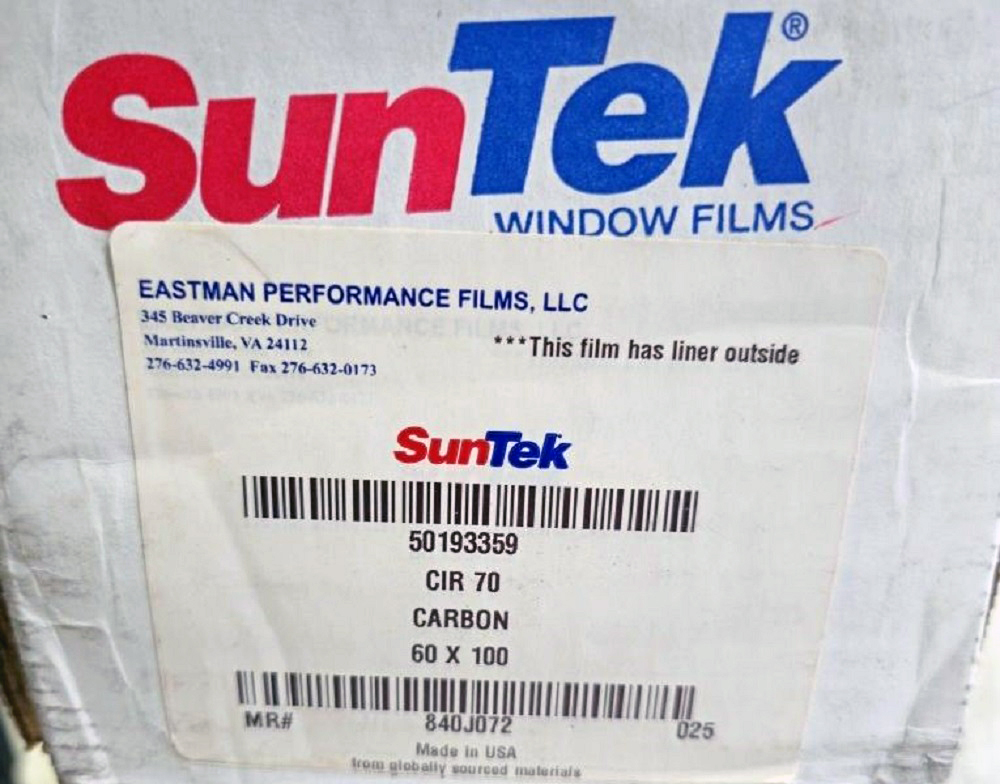
CIR stands for “Ceramic Infrared,” and it’s SunTek’s mid-tier ceramic line. You still get impressive heat rejection—up to 86% IRER—but at a more budget-friendly install cost compared to Evolve.
Where it shines:
• Excellent IR and UV protection
• Minimal interference with radio, GPS, or sensors
• Slightly more tint options across VLT levels
One note: Some users have reported ghosting or haze on windshields at certain angles—worth asking your installer about if you drive at night a lot.
CXP Series – Stealthy Carbon Performance with Signal-Friendly Design
If you want something that won’t block out your Bluetooth or satellite radio, the CarbonXP (CXP) line uses nano-hybrid carbon technology instead of metal or ceramic. It’s got a smooth, non-reflective finish and solid heat rejection, with IRER ratings in the 76–79% range.
Ideal for:
• Daily drivers in warmer regions
• Electric vehicles with lots of sensors and wireless tech
• Anyone who wants better heat control than dyed films without jumping to ceramic pricing
Carbon Series – Non-Fading Black Tint for Everyday Drivers
The standard Carbon line skips the nano-hybrid enhancements but still delivers decent solar rejection and a clean black aesthetic. It won’t fade purple like older dyed films and stays friendly to electronics.
It’s a step up from dyed charcoal, especially for budget-conscious buyers who still want decent heat control and a long-term tint.
High Performance Series – Mirror-Look with Extra Heat Control
This is SunTek’s metal-dyed option. It combines dyed layers with metallic particles to bump up TSER and reduce glare. You’ll see a more reflective look on the outside, which some owners like for privacy and style.
But heads up:
• May interfere with electronic signals
• Reflective finish might not suit all vehicles
• Best suited for older cars or style-driven builds
Standard Pro & Standard – Just the Basics
Standard Pro gives you decent UV and glare protection in a dyed charcoal film backed by a lifetime warranty. Standard, on the other hand, is the most entry-level SunTek option—fewer shades, a shorter warranty, and lower solar performance.
Still, both are solid for:
• Privacy
• Glare reduction
• Improving aesthetics on a budget
InfinityOP & CoolSight – Niche Options for Special Use
• InfinityOP is SunTek’s mirrored film—think highly reflective bronze or silver for a show-car look. It uses all-metal nichrome construction and offers some of the highest TSER values in their catalog.
• CoolSight is a clear ceramic film that lets visible light in while still blocking heat and UV. Perfect for windshields or legal restrictions where dark tint isn’t an option.
3. Lab Numbers That Actually Matter: Real Specs Behind SunTek Tints
What IRER and SIRR Actually Tell You
When shopping for tint, most people just look at how dark it is. But the real performance comes down to numbers like IRER (Infrared Energy Rejection) and SIRR (Selective Infrared Rejection). Here’s the difference:
• IRER measures how much infrared heat the film keeps out overall—including what it reflects and absorbs.
• SIRR only tracks the IR wavelengths your skin actually feels. It’s more “real world,” but IRER is the industry standard for rating.
Knowing both helps you understand whether a tint just looks good or actually cools your cabin.
How the Top Three Lines Compare: Evolve vs. CIR vs. CXP
Let’s break down the performance of SunTek’s top offerings at similar VLT levels (35% and 20% shades are most common):
| Series | TSER (%) | IRER (%) | SIRR (%) | UV Block (%) | Notes |
| Evolve | 60–65 | 93–94 | 64–65 | >99 | Top-tier performance and clarity |
| CIR | 53–58 | 83–86 | 58–60 | >99 | Mid-tier ceramic, solid heat control |
| CXP | 45–55 | 76–79 | Not listed | >99 | Best-in-class for carbon films |
Evolve leads the pack in every category—especially in heat and IR rejection. CIR gives you 80–90% of that performance at a better price. And CXP? It holds its own surprisingly well for a non-ceramic film.
Glass Type Affects Real-World Performance
Here’s something most tint buyers don’t realize: the type of glass in your car changes how well a film works.
• Tempered glass (side windows) lets more IR in, so tint matters more.
• Laminated glass (windshields, some front windows) already blocks some IR, so the impact of tint is slightly less—but still important.
That’s why some users see big drops in cabin temp after tinting, while others don’t notice as much. It’s not always the film—it could be the glass.
Certified Protection: Not Just Marketing
SunTek’s ceramic lines (CIR and Evolve) aren’t just good at blocking heat—they’re also recommended by The Skin Cancer Foundation, which is a big deal if you drive a lot during the day. That means the UV protection isn’t a gimmick—it’s backed by legit testing.
4. What Happens When the Sun Hits Your Glass: Real‑World Testing
Arizona Heat Test: Thermal Cameras Don’t Lie
In the blazing Arizona sun, SunTek’s ceramic tints showed real, measurable cooling. Using BTU meters and infrared thermal imaging, testers compared tinted and untinted sides of the same vehicle. With Evolve 35% installed on one half and factory glass on the other, cabin temperatures were recorded over a full afternoon.
The difference? A full 20–25°F cooler on the tinted side—enough to keep your leather seats from feeling like a frying pan. Thermal images made the contrast even more obvious, with heat zones in untinted glass glowing red, while the ceramic film side stayed noticeably cooler.
48-Hour Cabin Logger Results: Before and After Tinting
To see how tint performs around the clock, some users set up 48-hour temp logs—tracking interior temperatures before and after installing SunTek CIR 30%.
Results showed consistently lower peak temps, especially during late afternoon. Post-installation, cars that previously reached 135°F inside now hovered around 110°F under the same sun exposure. While that’s still hot, the difference made A/C recovery faster and kept steering wheels and seat belts bearable.
How It Affects Night Driving: Glare Tests in the Real World
Nighttime visibility can make or break a window film—especially for commuters. In side-by-side tests, drivers using CIR and CXP reported less blinding glare from headlights and streetlights.
Photos taken through windshields showed clearer road visibility with ceramic tints, without the sharp halo effect that cheaper dyed films often produce. That makes a real difference on poorly lit roads or when it’s raining at night.
EV Drivers, Take Note: Range and A/C Load
If you’re driving an EV, tint isn’t just for comfort—it can improve range. By reducing how often the A/C kicks in, SunTek’s higher-end ceramic films help preserve battery life.
Rough estimates from independent testers found modest but consistent range gains—about 3–5% improvement under heavy A/C use when switching from bare glass to Evolve or CIR tints. Internal combustion cars saw reduced strain on compressors too, which can indirectly help fuel efficiency in hot climates.
5. From the Driver’s Seat: What Real Users and Installers Are Saying
What Car Owners Are Praising—and Complaining About
Across forums, YouTube reviews, and shop testimonials, SunTek tends to get solid marks from everyday drivers. Most praise centers on heat rejection and interior comfort—especially with the CIR and CXP lines. Some users in hot states like Texas and Arizona say the difference in cabin temp is “night and day.”
Drivers also highlight the appearance. The non-reflective, charcoal-black finish of the Carbon and CXP series often gets compliments for looking sleek without standing out. Ceramic film owners say glare is cut dramatically, making long drives less tiring.
But not all reviews are glowing. Some common gripes:
• Ghosting or haze on windshields, especially with CIR when viewed at low angles.
• Scratching during installation, which many blame on older film versions or poor installer technique.
• Slight blue or purple hue on some ceramic shades, which doesn’t match everyone’s taste.
Most of these issues are tied to installation quality. A few bad shops give the brand a bad name, but experienced installers say newer SunTek batches are much better—especially post-2019.
The Installer’s Take: What the Pros Really Think
Installers are divided, but there’s a trend. Those who’ve used both SunTek and brands like Llumar or 3M often say SunTek is easier to work with—especially the carbon and dyed lines. They point out that it shrinks nicely and handles well during back glass installs.
One common frustration: some films—particularly ceramic ones—can scratch if installers don’t adjust their tools or cleaning methods. Installers who are used to harder films like Llumar CTX or 3M Color Stable sometimes find SunTek less forgiving.
That said, quite a few tint shops have moved from Llumar to SunTek, citing better install results and happy customers. And with SunTek’s TruCut software offering pre-cut patterns for specific makes and models, installation is often faster and cleaner.
Is It Entry-Level or Underrated?
Some pros frame SunTek as an “entry-level” choice under the Eastman umbrella (which also owns Llumar). Others argue that’s outdated thinking, especially with improved versions of CIR and Evolve hitting the market in recent years.
Bottom line? The film itself holds up well—but how it performs depends a lot on who’s installing it and how they prep your glass.
6. Brand Battles: How SunTek Stacks Up Against the Competition
SunTek vs. 3M – Price-Friendly Contender or Just As Good?
This comparison comes up a lot—and not just from customers. Many installers who’ve handled both films say SunTek, especially the CIR and CXP lines, offers a smoother install than 3M’s Ceramic IR or Crystalline.
One reason? 3M’s Crystalline has been reported to haze or discolor slightly at certain angles, particularly on windshields. SunTek’s ceramic lines tend to stay more neutral in appearance, though the blue-ish hue in lighter shades is something to consider.
As for performance, 3M’s high-end films usually edge out SunTek on total solar energy rejection, but the gap isn’t always huge. Some BTU meter tests even show SunTek CXP beating 3M Ceramic IR at certain VLTs. Still, 3M commands a premium price, and many feel you’re paying for the name more than a major performance difference.
SunTek vs. Llumar – Corporate Cousins, But Not Quite Twins
Both SunTek and Llumar are made by Eastman, but they cater to slightly different crowds. Llumar is often seen as the “flagship” product, with tighter quality control and a bit more polish in its construction.
Installers who switched from Llumar to SunTek often mention price as a factor, but also praise SunTek’s film for being easier to shrink and apply, especially on curved glass.
On the performance front, Llumar’s IRX and CTX series typically go head-to-head with SunTek’s CIR and CXP. In real-world use, the difference comes down more to color tone and installer familiarity than raw numbers. Still, some prefer Llumar for its more consistent hue and slight edge in long-term durability.
SunTek vs. XPEL – Budget Hero or Premium Rival?
XPEL is usually thought of as the luxury brand, especially thanks to its dominance in paint protection film (PPF). But its XR and XR Plus tint lines are serious contenders in the ceramic market. XR Plus in particular boasts sky-high IR rejection numbers and very low VLT haze. The tradeoff? A much steeper price tag.
While XPEL has a thicker, more aggressive adhesive that some installers like, others say it’s more challenging to work with than SunTek. And although XPEL fans rave about the optical clarity, a few report slight “orange peel” texture, which SunTek avoids.
In the end, XPEL is hard to beat on performance, but for many daily drivers, the price gap doesn’t always feel justified, especially when SunTek’s higher-end ceramic films already deliver strong heat rejection and clean aesthetics.
Which Brand Wins Overall?
There’s no clear winner because each one plays to a different crowd:
• Suntek nails the balance between price and performance, especially with CIR and CXP.
• 3M offers great marketing and strong specs—but at a cost.
• Llumar leans toward consistency and durability with a refined reputation.
• XPEL appeals to the high-end crowd with standout specs and a premium feel.
If you care most about heat control without breaking the bank, SunTek holds its own—and then some.
7. Holding Up to the Heat: How SunTek Performs Long-Term
What You Can Expect Over the Years
Most of SunTek’s films—whether you go with carbon, ceramic, or dyed—are backed by a lifetime limited warranty. That’s a strong statement, especially when compared to entry-level tints that offer three to five years at best. This coverage typically includes:
• Peeling, bubbling, or cracking
• Adhesive failure
• Color change or fading
• Demetallization (for mirror films like InfinityOP)
But there’s a catch: this warranty only applies if the film is installed by a certified SunTek dealer. DIY jobs or installs from uncertified shops usually void the whole deal.
The Truth About Scratches and Daily Wear
One of the more common complaints? Scratches during installation. Some installers report that SunTek—especially older batches—can be more sensitive to sharp tools or rough handling.
The newer formulas have improved, but the film still requires a skilled hand and clean technique to avoid light scuffing during application.
That said, once installed properly, it’s rare to see surface damage from regular use. SunTek’s hardcoat layer protects well against casual contact like window wiping, but it’s not invincible. Using abrasive cleaners or rough cloths will shorten the life of any tint—Suntek included.
Climate and Care Make a Difference
Where you live and how you treat your windows matter just as much as the film itself. If you’re in a desert climate like Arizona or Nevada, constant UV exposure will put even high-end films to the test. SunTek’s ceramic films are designed to take this kind of abuse, but longevity can vary based on:
• UV index
• How often the car is parked in shade
• Interior temperature swings
• Cleaning habits
Stick to ammonia-free cleaners and soft microfiber cloths to keep the film looking good. Avoid rolling down the windows during the first few days after installation—especially in cold weather—so the adhesive can fully cure.
Warranty in Action – What It Covers, and What It Doesn’t
SunTek’s warranty is strong on paper, but like most, it has some fine print. It doesn’t cover:
• DIY installations
• Normal wear and tear
• Damage from misuse (like scraping the film or tinting a cracked window)
• Improper cleaning or chemical exposure
If you do need to file a claim, you’ll typically need your warranty card, proof of purchase, and vehicle ownership documents. Most certified dealers will handle the claim directly with SunTek, often reapplying the film at no charge if it’s a covered defect.
8. When Things Don’t Go Smoothly: Known Issues with SunTek Tints
Scratching During Installation – Skill Matters
Among the most frequently reported complaints is scratching during install. It’s not universal, but several pro installers say SunTek’s films—especially earlier versions—are a bit more delicate than competitors like Llumar or XPEL.
This doesn’t mean the film is poor quality—it just means the install has to be clean, controlled, and deliberate. Dust under the blade? You’ll see it. Rushing the shrink process? You might leave a crease or scuff. With newer SunTek batches, the topcoat has improved, but installer technique still makes all the difference.
CIR Windshield Haze – The Low-Angle Ghosting Issue
Drivers who’ve chosen SunTek’s CIR series for windshield tinting sometimes mention a “haze” or ghosting at night. This tends to show up when viewing light sources at a shallow angle, like oncoming headlights or street lamps.
While not always in the driver’s direct line of sight, it’s noticeable enough for some to regret using CIR on the front glass. SunTek doesn’t officially call it a defect—it’s more of an optical tradeoff with some high-performance ceramic films.
If nighttime clarity is your top priority, stick with side and rear window applications for CIR, or choose a different line altogether for the windshield—something like Evolve 70% or CoolSight could be a safer bet.
Blue or Purple Tones – Aesthetic Surprise for Some
Some SunTek ceramic films—especially lighter VLTs—carry a subtle blue or violet tint. This isn’t a flaw, but it can be jarring if you were expecting a pure neutral gray. The blue hue often shows up more in overcast daylight or when parked under LEDs.
This color shift isn’t as extreme as older carbon films that turned purple after UV exposure (a known issue SunTek has since corrected), but it’s something to ask your installer about before you commit.
Bubbles, Dust, and Debris – What’s Normal vs. What’s Not
Small bubbles right after tinting are totally normal. These are usually moisture pockets and will disappear as the film cures over a few days or weeks, depending on the climate. What’s not normal is:
• Persistent bubbles after a month
• Dust specks under the film that don’t flatten
• Edges peeling or lifting
All of those are signs of either rushed prep or poor handling, not a bad product. If you see this and the job was done by a certified SunTek dealer, it’s likely covered under warranty.
9. Is It Worth the Price? Breaking Down SunTek’s Cost vs. Payoff
What You’ll Pay — Install Prices by Series and Vehicle Type
Suntek tints range widely in cost depending on which series you choose and the size or style of your vehicle. Here’s a general idea of what to expect:
• Standard & Standard Pro (Dyed Charcoal): $180–$250 for a full sedan
• Carbon Series: $220–$300
• CXP (Nano-Hybrid Carbon): $280–$375
• CIR Ceramic: $350–$500
• Evolve Ceramic (Flagship): $500–$700+
SUVs and vehicles with more glass surface (like Teslas or minivans) usually run $75–$150 more. Windshield tinting with a high-VLT ceramic film also adds $80–$150 depending on labor.
Can Tint Really Save You Money? A Look at AC Load and EV Range
Ceramic tints, especially the Evolve and CIR lines, significantly reduce cabin temperatures. In a Sun Belt test using cabin loggers, SunTek Evolve dropped internal temperatures by up to 26°F after two hours in direct sun.
What that means for you:
• Less AC strain: Your compressor doesn’t have to work as hard
• Fuel savings for gas cars: Less energy demand from HVAC = marginal gains over time
• EV range improvement: Several studies suggest a 2–4% boost in summer driving range when using high-performance tints
Over the lifespan of your vehicle, that could translate to hundreds in energy savings, especially for commuters or ride-share drivers in hot climates.
Preserving Your Interior – Fade Reduction and Resale Boost
Every SunTek series blocks at least 97% of UV rays, and their top-end ceramic lines block over 99%. That’s critical for preserving your dashboard, leather, and upholstery—especially in cars with black interiors or large glass areas.
Fewer cracks, less discoloration, and reduced warping can make your cabin look years newer when it’s time to sell. In resale terms, high-end tint could retain $500–$1,000 more value over 5–7 years for luxury or enthusiast vehicles.
Estimating Payback — A Realistic ROI Timeline
For most daily drivers using CXP or CIR, your payback might not be dramatic year-to-year, but it adds up.
Here’s a simplified estimate:
| Benefit | Estimated Annual Value |
| Fuel/energy savings | $30–$80/year |
| Interior preservation | $75–$150 in resale value over time |
| AC component longevity | Long-term maintenance offset (hard to quantify) |
Total potential ROI over 5 years: $250–$500, depending on usage and climate. That doesn’t even account for non-financial gains like cooler drives and improved comfort.
10. Which SunTek Tint Is Right for You? Match the Film to Your Lifestyle
For the Heat Warriors: Best Setup for Desert Commuters
If you’re dealing with daily triple-digit heat—think Arizona, Nevada, or inland California—SunTek Evolve is the clear winner. It blocks up to 94% of infrared heat and over 99% of UV rays, making a noticeable difference in how your cabin feels after sitting in the sun.
The ideal setup? Go with Evolve 35% on the sides and rear for effective heat and glare reduction, and pair it with 70% clear ceramic on the windshield. This combo keeps things cool without making your tint too dark or running into legal issues.
It’s a serious upfront investment, but if you’re chasing long-term comfort and relief for your AC system, nothing else in the SunTek lineup comes close.
Urban Tech Lovers: Protect Your Gadgets Without Signal Drop
If you’re in a newer car loaded with GPS, satellite radio, and ADAS features, you need tint that won’t interfere with your tech. That’s exactly where SunTek’s CXP series delivers.
Its nano-hybrid carbon construction offers solid heat rejection without the metallic content that can disrupt signals. For most drivers, 30% VLT all around strikes the right balance—cool and comfortable while staying legal in most states.
CXP is especially popular with Teslas, BMWs, and high-tech SUVs, where connectivity is just as important as cabin comfort.
Smart Tinting on a Budget: Everyday Value That Works
If you’re not chasing ceramic-grade performance but still want to cut glare, block UV rays, and add a little privacy, SunTek’s Standard Pro or Carbon series gets the job done without the high price tag.
Perfect for older sedans, budget builds, or daily commuters, this setup offers solid protection and a clean look. A good combo is 35% on the front windows and 20% on the rear sides and back glass, giving you comfort and style while staying within legal limits in many states.
You’ll still block over 97% of UV rays and slow down interior fading—all for under $300 installed in most areas.
Style-First Builds: Go Bold With Mirror or Dark Film
If you’re building for looks—a show car, lifted truck, or summer cruiser—and want to stand out, InfinityOP mirrored tint is a head-turner. For a more aggressive vibe, 15% charcoal on the rear windows using the Carbon or High Performance line brings a bold, stealthy finish.
This setup isn’t about max heat rejection—it’s about presence. It’s popular among sport compacts, car show builds, and weekend cruisers where style leads the way.
Just double-check your state’s legal VLT and reflectivity limits before going all in. Style’s great, but it won’t get you out of a fix-it ticket.
Final Thoughts: What Really Stands Out About SunTek
Suntek doesn’t always grab headlines like 3M or XPEL, but that’s exactly what makes it such a smart pick—it flies under the radar while delivering serious value. The Evolve and CIR ceramic lines go toe-to-toe with pricier brands in heat rejection. The CXP series balances performance and tech-friendliness without signal issues. And the Standard Pro and Carbon lines offer solid performance for budget builds.
But here’s the key: even the best tint won’t live up to expectations if the installer cuts corners. Choose your tint based on what matters most—comfort, looks, price, or connectivity—and pair it with someone who knows what they’re doing.
Whether you’re fighting the sun or just want cleaner lines and a cooler ride, SunTek has something that fits. You just have to pick the right tool for the job.
Was This Article Helpful?