
That “lifetime rust protection” line always shows up when the roads turn ugly and the underbody starts catching hell. Ziebart steps in with a tidy promise: full-body defense against salt, chips, and sun.
They’ve got a point. Rust doesn’t quit, not even on galvanized steel, and most dealer sprays or wax jobs don’t hold up. So Ziebart sells the full treatment: undercoating, ceramic gloss, paint film, interior sealants. All of it backed by a national warranty, but only if you come in every year and keep the records clean.
Miss a visit, or land in a sloppy shop, and the whole thing starts to feel less like protection and more like a bill you keep paying.
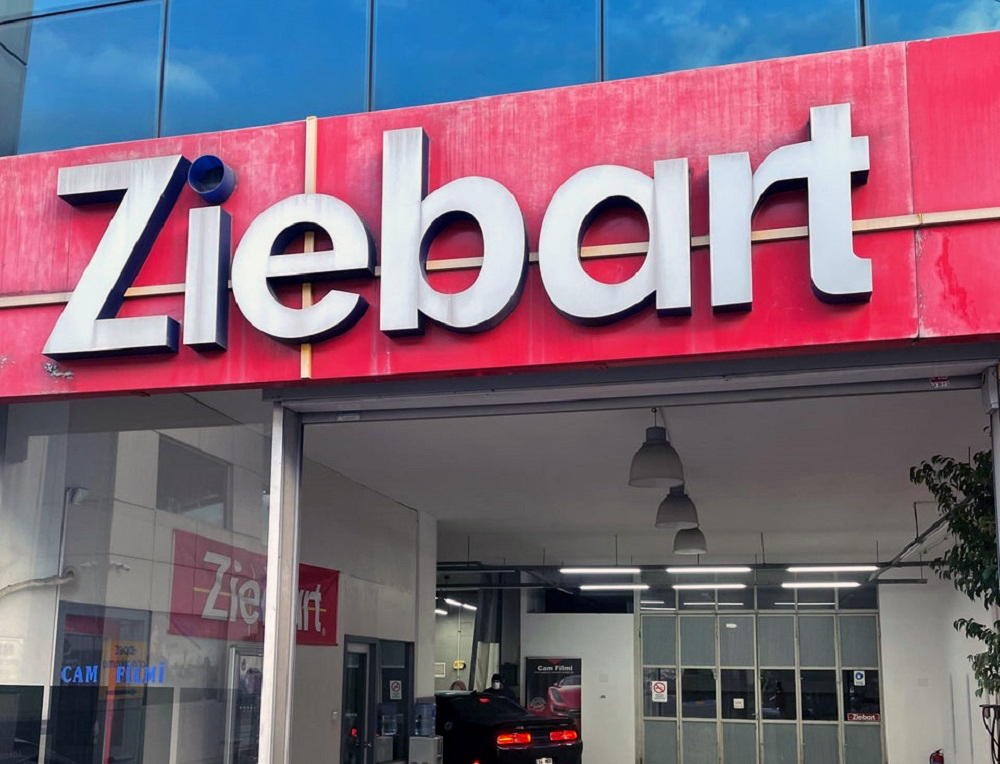
1. What Ziebart’s Really Selling
Ziebart isn’t in the one-and-done business. They sell long-haul protection tied to a schedule. Rust coating sits at the core, but what keeps the lights on is the bundled work and yearly check-ins that turn a clean car into a recurring account.
From rust pioneer to full-body service bay
Back in the 1950s, Ziebart started by drilling into rockers and flooding cavities before factory coatings got serious. That rust-first mindset still drives their pitch: bare seams still rot, salt still packs in, and corrosion never really quits.
From there, the catalog grew. Z-Gard handles the underbody. Sound deadener layers on top. Z-Gloss ceramic, Z-Shield paint film, and Diamond Gloss protect the paint. They also offer tint, interior sealants, and Rhino bed liners. One stop handles everything from the frame rails to the clear coat.
The package built to lock in repeat visits
The Total Appearance Protection bundle is what really drives the model. Rustproofing, sound deadener, ceramic, PPF, and interior sealants all tie into a tight inspection schedule. The national rust warranty only stays valid if every yearly visit is logged and renewed.
That first rust job usually runs around $700. After that, the bills keep coming. Over 7–10 years, you’ll pay enough to match a service contract; and that’s the point. The warranty and the protection move together. Miss one, and you lose both.
Franchise gaps that decide how it plays out
The whole deal depends on your local shop. Same brand, different hands. Prep, masking, drilling, wand reach, and cleanup all depend on the crew in the bay.
Most complaints, especially through the BBB, don’t hit the products. They hit bad installs, missed seams, or warranty pushback when work wasn’t logged right.
You don’t judge Ziebart by the brochure. You judge it by how your nearest franchise runs its bay.
2. Rustproofing That Actually Has to Take a Beating
Ziebart’s name was built on rust work, and that’s still the part that makes or breaks the deal. They use a wax-based formula that’s been tested hard in the lab, sold as a long-haul fix for cars that live in slush, salt, and sandblasting winters.
What Z-Gard is actually built to take
Z-Gard is a soft, waxy layer sprayed across the underbody and inside the seams. It stays flexible, seals over chips, and sheds water instead of soaking it.
Ziebart puts numbers behind it: 1,000 hours of salt exposure under SAE J2334, a 7A chip rating with less than 1 mm breakage, and thermal stability at 300°F around the drivetrain and exhaust.
It also passes military-grade corrosion specs like MIL-C-0083933A and MIL-PRF-62218B. That doesn’t guarantee 10 winters without rust; but it shows the coating can handle real-world abuse without folding early.
Wax versus oil films in the seams
Creeping oil-film systems like Krown and Fluid Film work by flowing into tight seams and pushing out moisture. They’re great on old rust but wash out over time.
Ziebart’s wax doesn’t creep as far but clings harder and doesn’t rinse off. It also repels water, answering old concerns about wax trapping moisture against the steel.
It’s a clean trade. Wax stays tidy and lasts longer, but only if the prep is dialed in. Oil films are messier but more forgiving when corrosion has already started.
Where the whole thing falls apart
Good rust work lives or dies in the prep. The tech needs to clean, dry, mask, and reach deep into boxed sections and rockers. Leave dirt or moisture behind and it’ll blister under the coating. Missed seams or uneven spray? That’s how you get rust under wax.
And wax systems hide trouble. They look clean on the outside while rust brews underneath. That’s why bay discipline matters more than any number on a spec sheet.
What the sound deadener actually adds
Ziebart lays a thick sound-deadening layer over the rust coating in high-impact zones. It reduces road noise and adds a second line of defense against sand and rock spray. Their own tests show it bonds well and doesn’t peel under heat or vibration.
This setup makes the most sense on thin-skin sedans, long-distance commuters, or trucks that grind through rough winters, places where both noise and wear hit hard at the same time.
3. What Ziebart Throws at Paint, Chips, and Shine
Ziebart splits paint protection into three layers: ceramic for chemical defense, film for impacts, and resin for wet-look gloss. Each covers a different kind of abuse, and none do it all.
Z-Gloss holds the line on gloss and UV
Z-Gloss lays down a slick, glassy shell that shrugs off UV, fallout, and heat far better than any wax a dealer offers. Water beads fast, dirt lifts easier, and the paint holds its depth longer between washes. Pricing isn’t entry-level. Expect to pay $500 or more, and if paint correction’s needed first, the total jumps fast.
What pulls buyers in is the national support. A local shop might match the gloss, but they can’t offer a coast-to-coast warranty tied to yearly check-ins.
That backing means something, if you wash the car often enough to keep the coating alive. Skip care and even the best ceramic won’t last.
Z-Shield film eats the hits ceramic can’t
Z-Shield steps in where ceramic falls short: stone chips. It’s a clear urethane wrap cut to fit bumpers, hood edges, mirror caps, every strike zone that catches road grit at 60 mph.
It won’t fade, peel, or yellow if the install’s clean and you avoid edge lifting. And like ceramic, it’s warranty-backed nationwide.
Most high-end vehicles run both: film on the front, ceramic on everything else. Ziebart makes that combo easy to book in one go.
Diamond Gloss offers shine without the ceramic bill
Diamond Gloss is Ziebart’s resin-based sealant, a step below ceramic but still far tougher than retail wax. It bonds to the clear coat and holds a wet gloss for up to a year, but there’s a rule: no brush tunnels or cloth washes. Aggressive bays chew right through it.
Stick to hand washes or touchless systems, and Diamond Gloss keeps its look. Run it through budget tunnels, and you’ll be back in the bay sooner than planned.
How the three paint options compare
| Product | Core job | Application type | Durability window* | Maintenance caveat | Best fit profile |
|---|---|---|---|---|---|
| Z-Gloss Ceramic | Chemical and UV defense, high gloss | Liquid nano-ceramic layer | Multi-year with checks | Needs regular wash care | Clean daily drivers wanting strong shine |
| Z-Shield PPF | Impact protection in chip zones | Urethane film, pre-cut | 5–10 years on exposed areas | Watch edges, avoid lifting | Highway, gravel, and truck owners |
| Diamond Gloss | Wet gloss and basic environmental guard | Resin-based sealant | 1–3 years with gentle wash | No brush tunnels or gritty soft-cloth bays | Garage-kept cars, hand-wash or touchless users |
*Assumes proper prep and care.
4. What the Long-Term Bill and Warranty Really Mean
Ziebart protection only adds up if you’re tracking the math. It starts with a heavy upfront bill, then shifts into a subscription model where you pay every year to stay covered. Think of it like insurance with grease instead of paperwork.
The first invoice is just the beginning
A basic rustproofing job often runs $700 or more. Add ceramic, PPF, sound deadener, or interior work, and the price climbs fast. That’s only round one.
Every year brings inspection and reapplication fees to keep the warranty alive. Over 7–10 years, the total can easily break $3,000–$4,000 depending on what you bundled up front.
Krown and Fluid Film cost far less per visit but don’t come with a national repair promise. That’s where Ziebart leans in to justify the higher spend.
How the warranty holds up when you follow the rules
Ziebart’s full-repair rust warranty is solid, if the shop did its job and you’ve got every receipt. If a covered panel rusts and your records are airtight, Ziebart pays. But skip a visit, delay a renewal, or misplace a receipt, and the coverage goes dead. It’s on you to track everything.
Some extras come with extra terms. One BBB case involved a tint warranty: when the film on a seven-year-old rear window failed, the shop asked the customer to sign a waiver in case the defroster lines got damaged during removal.
The job was still covered, but risk shifted back to the owner. Lifetime coverage often bends once tools hit the glass.
When Ziebart and factory warranties start butting heads
Factory rust warranties only kick in when a panel rusts clean through. Surface corrosion doesn’t count. Ziebart doesn’t void that coverage outright, but things get messy when rust shows up and Ziebart’s product is on top.
If the coating traps moisture due to poor prep, the automaker often points to the aftermarket job. Now you’re stuck arguing with the Ziebart shop, not the dealer. And based on BBB records, that back-and-forth rarely favors the owner.
The prep work is what makes or breaks it. The surface must be bone-dry, cavities fully reached, and the spray laid thick and even. When complaints show up, they usually trace back to skipped steps, not the coating itself.
Rust protection choices and how they compare
| Option | Upfront cost level | Typical 7-year spend | Warranty type | Main risks | Best use case |
|---|---|---|---|---|---|
| Ziebart wax-based system | High (~$700+) | High (initial + yearly fees) | National full-repair (strict) | Missed visits void coverage; poor prep hides rust | New, high-value cars in heavy salt regions |
| Krown / Fluid Film oil | Low to moderate | Moderate (annual re-sprays) | Local or regional | Drips, smell, more frequent reapplication | Older or already-rusty vehicles; budget owners |
| OEM corrosion warranty | Included in vehicle | Low | Perforation-only | Hard to claim; no surface protection | Short ownership plans; mild or dry climates |
5. Add-Ons That Actually Earn Their Keep
Ziebart stacks a lot of extras on top of rust and paint work. A few pull their weight in the right setup. Others feel like upcharges dressed in showroom gloss.
Interior sealants and germ layers that last just long enough
Inner-Guard Plus hits fabric, leather, and germs in one sweep. Seats and carpets get a barrier to resist spills and daily grime. Leather gets a conditioner to stay flexible and slow cracking. Germ Defender coats high-touch surfaces and claims to suppress microbial growth for about 90 days.
DIY detailers can get similar results with time and the right products. What Ziebart offers is a documented, baseline detail at day one, tied into the same yearly visit that keeps the rest of the plan valid. On its own, it’s rarely worth the full sticker. As a bundled bonus in a bigger protection stack, it makes more sense.
Rhino bed liners for trucks that don’t just cruise
A real truck bed takes hits, tools, gravel, lumber, steel, and that’s where Rhino liners earn their keep. The spray-on polyurethane builds a thick, textured shell across the bed and tailgate.
It shrugs off gouges, resists rust, and keeps cargo from sliding. There’s a lifetime limited warranty, with respray coverage if the coating fails.
Going through Ziebart folds the liner into the same paperwork as rustproofing, sound deadener, and ceramic work. A standalone Rhino shop may charge less or specialize more in beds, but they don’t offer full-vehicle protection under one roof.
For tradespeople and working fleets, this liner saves money in bed repairs and cleanup over time.
How fleets make the structure actually work
Fleet managers don’t care about branding, they care about uptime, resale, and tracking costs. Ziebart fits the fleet structure: one vendor, one invoice stream, standardized protection across units, and a national warranty to back it all.
That setup cuts admin headaches and gives clean documentation when trucks rotate out. The higher per-vehicle cost pays off when corrosion and cosmetic wear are slowed across a dozen trucks at once. For one-car owners, this setup can feel like excess. For fleet buyers, it’s a structure that works.
6. When Ziebart Is a Clear Yes
Not every vehicle needs full-body defense. But in the right conditions, with the right vehicle, it shifts from luxury to smart insurance.
Long-term owners in salt zones with high-dollar vehicles
If you’ve got a newer truck or SUV in the rust belt and plan to keep it 7–10 years, this is the bullseye. Salt eats weld seams, chip hits open metal, and water collects in all the worst places. Ziebart’s wax, deadener, ceramic or film, and yearly inspections give that truck a real shot at staying solid.
It also helps at trade-in. A clean underbody and full-service paperwork on a 10-year-old vehicle speaks louder than mileage. In cold-weather markets, rust destroys resale faster than odometer creep. Keeping that under control changes the numbers.
One roof, one invoice, one throat to choke
Not everyone wants to chase three shops for rust, tint, and ceramic. Ziebart puts it all under one roof, rustproofing, film, bed liner, interior sealants, even tint, with one warranty and one paper trail. If something fails, there’s no finger-pointing.
That convenience costs more, but the trade is clear. One shop handles prep, application, reinspection, and warranty response. If your local franchise has a solid track record, that simplicity is worth every dollar you don’t spend fixing another shop’s mistake.
7. When Ziebart Becomes Excess or a Money Sink
Not every car earns back the Ziebart bill. In the wrong setup, mild weather, short ownership, lazy shop, or missed visits, it turns into shiny paperwork with no bite behind it.
Short-term leases, dry climates, and cheap commuters
A 3–5 year lease handed back before rust ever shows? No point sealing it like a time capsule. In dry or low-salt regions, factory e-coat plus decent wash habits do the job. And on low-value daily drivers, the full Ziebart cost can match a year’s worth of car payments without budging resale.
In these cases, winter rinses, occasional touch-ups, and a good annual sealant deliver 80% of the benefit for a fraction of the cost.
Drivers who won’t stick to the schedule
The warranty dies the moment the paper trail breaks. Skip a visit, move far from the franchise, or just stop caring, and all you’ve got left is the memory of a $700 first visit and a coating that wears like any other.
If you’re not wired to keep up the schedule, there’s a better route: hit a local shop for oil-film rustproofing, find a reputable detailer for the paint, and keep the costs low and flexible.
When the local shop wrecks the value
Some Ziebart shops run sharp crews. Others show up in BBB complaints with missed seams, overspray, poor masking, and warranty finger-pointing. Doesn’t matter how good the lab results are; bad prep traps moisture, skips cavities, or lays thin in critical spots.
If reviews for your local franchise look rough, skip the risk. A system this dependent on proper prep turns into a liability when the hands holding the wand don’t care.
8. Where the Value Actually Shows Up
Ziebart makes sense when the vehicle, environment, and owner discipline line up. Get that mix right, and the coverage holds up. Miss a piece, and the whole thing falls apart.
Who wins and who walks away
A truck in the salt belt, kept for 10+ years, sees real returns. The wax guards structural seams, sound deadener reduces noise and abrasion, and paint protection holds up under winter chemicals. With perfect paperwork, the repair warranty actually means something, and corrosion risk drops hard.
Now flip it. A garage-kept SUV in Arizona doesn’t need any of it. A short-term lease sedan? Same story. The car’s gone before rust even thinks about showing up. Even without Ziebart, it stays clean with basic wash care and touch-ups.
Work trucks hauling daily loads get clear payoff from Rhino liners, even if the rest of the protection stack is skipped. In the high-wear zones, that liner earns back its cost in saved bed repairs.
Across every owner profile, one rule sticks: Ziebart works best when metal is under attack and the vehicle is worth keeping. On cheaper cars or in soft climates, it’s just extra gloss.
How to know if it pencils out for you
The decision isn’t complicated once you plug in the right numbers: ownership length, local rust risk, vehicle value, and the reputation of your nearest franchise.
If you’re keeping the car long-term, live in a rust-heavy zone, and don’t mind annual visits, the plan behaves like solid corrosion insurance. But if you’re flipping the car in three years or the local shop has a shaky record, the cost outpaces the benefit fast.
Treat it like any other service contract: the right math tips it to yes. Anything less? Keep your money and hit the wash bay.
Sources & References
- Ziebart: Your Preferred Automotive Protection Provider
- Rust Protection and Proofing | Auto Care Services – Ziebart
- Industry-Leading Warranty Program – Ziebart
- Ziebart | BBB Complaints | Better Business Bureau
- Ziebart FAQ: Tackling the tough questions
- Detailing Packages: Inner-Guard Plus® – Ziebart
- F.A.Q. | Frequently Asked Questions – Ziebart
- How screwed am I if I did Ziebart Undercoating : r/cars – Reddit
- Ziebart Wax-Based Undercoating: Proven Superior Corrosion Protection in 2025 Tests
- dealer rust proofing (same stuff as ziebart) or oil coat every year? why? : r/subaru – Reddit
- Sound Deadening: Insulation for Noise Control – Ziebart
- Explore Your Paint Protection Options – Ziebart
- How Much Do Ceramic Car Coatings REALLY Cost in 2025? – YouTube
- Z-Shield ® Paint Protection Film – Ziebart
- Diamond Gloss® Car Paint Protection Service – Ziebart
- The TRUTH About PPF vs Ceramic: Which Actually Protects Your Car? – YouTube
- Ziebart quote ~$700 for a rust proofing for a year protection ? : r/WRX – Reddit
Was This Article Helpful?