Shifter lands in Neutral, brake lifts, the Tundra inches forward on a quiet driveway. That creep is real, and it is the defect. A control map in the Aisin 10-speed can leave a clutch slightly applied in Neutral, so the truck nudges ahead instead of rolling free.
Regulators labeled it unintended movement. Toyota issued 24TA02, mirrored as 24V-125, covering about 268,600 GA-F vehicles, including 2022–2024 Tundra and Tundra Hybrid, 2023–2024 Sequoia Hybrid, and Lexus LX600.
The remedy is a dealer flash of the transmission computer. The headline is safety, but the subtext is launch quality.
Third-gen Tundra already faces an engine-replacement campaign and fresh complaints about 10-speed manners. Next, lock down what failed, who is in, and how to confirm the fix was done.
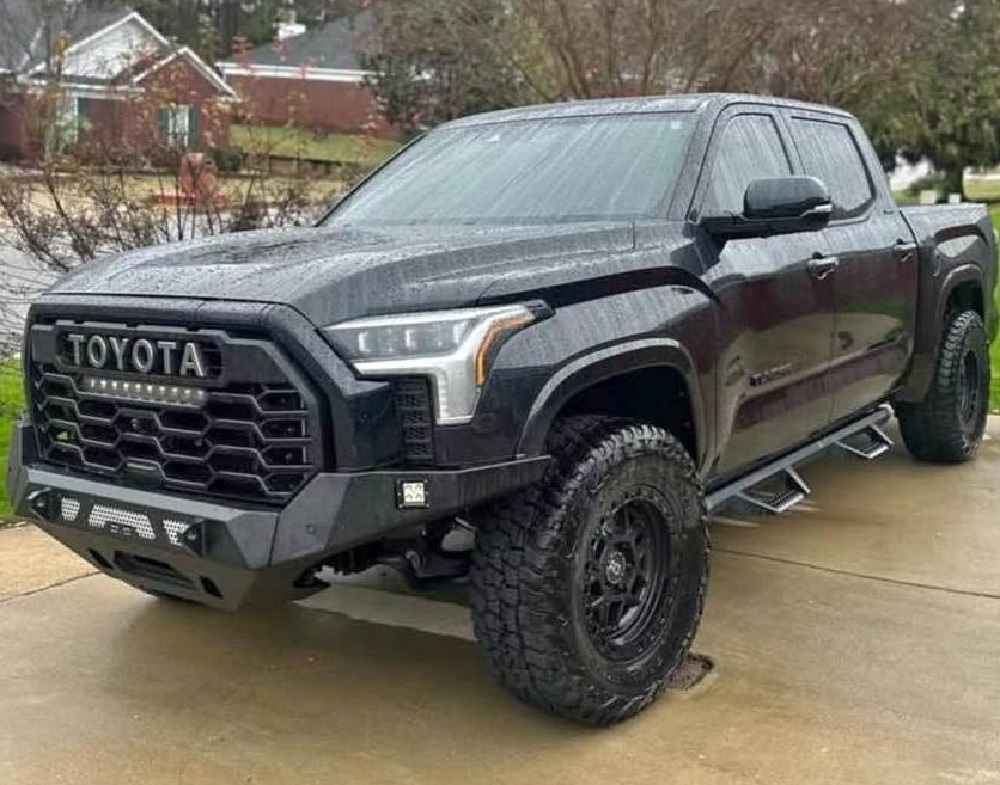
1. Neutral that isn’t neutral inside Toyota’s transmission recall
Failure mode in plain terms
In the Aisin 10-speed used across the 2022–2025 Tundra lineup, Neutral should fully release both clutches. Instead, a software error leaves one clutch slightly applied.
The engine keeps feeding torque through the driveline, just enough to make the truck inch forward. No lights, no warnings, just slow movement when the shifter sits in N. The glitch hides in the timing between clutch pressure release and throttle signal cut-off.
Affected population and trims
Roughly 268,600 vehicles in the U.S. are covered under Toyota’s 24TA02 recall, also logged as NHTSA 24V-125.
It spans 2022–2024 Tundra and Tundra Hybrid, 2023–2024 Sequoia Hybrid, and Lexus LX600. All share the same GA-F platform and Aisin AWR10L65 10-speed control software, making the defect identical across powertrains.
Safety signal and regulatory trigger
Because the trucks can creep forward in Neutral without brake input, NHTSA labeled the flaw a safety risk for unintended movement.
Toyota’s filings confirm no confirmed crashes but admit potential for collision on driveways, boat ramps, or shop floors. Dealers fix the issue with a 45-minute TCM software flash that rewrites the clutch-release sequence, no parts replaced, no cost to owners.
Transmission Recall at a Glance
| Field | Detail |
|---|---|
| Toyota recall code | 24TA02 |
| NHTSA campaign | 24V-125 |
| Component | Transmission Control Module (Aisin 10-speed) |
| Condition | Low-speed forward “neutral creep” |
| Remedy | Dealer software update, free of charge |
| Affected vehicles | ≈268,600 (Tundra, Sequoia Hybrid, Lexus LX600) |
2. Which trucks are tagged, and how VIN patterns decide coverage
Model-year map that matters
The current scope of 24TA02 / 24V-125 covers 2022–2024 Tundra and Tundra Hybrid, 2023–2024 Sequoia Hybrid, and Lexus LX600. All sit on the GA-F platform with the Aisin 10-speed.
2025 Tundra shows fresh drivability chatter, but 24TA02 as filed centers on 2022–2024. Treat 2025 as verify-by-VIN, since late-launch software baselines can differ from early trucks.
How VINs decide your fate
Toyota flags eligibility by build date and calibration level, not by trim. Two trucks built the same month can test differently if one left the line with an updated TCM file.
The recall portal ties your VIN to a campaign status, then the dealer confirms by reading the current TCM calibration ID on the work order. If the file predates the corrected map, the flash applies. If you already carry the fixed level, the campaign closes as “previously completed.”
Why Sequoia Hybrid and LX600 ride along
Sequoia Hybrid and LX600 share the same GA-F backbone, AWR10L65 hardware, and control logic stack. Neutral release timing lives in that shared TCM map, so the defect travels with the platform.
Different engines feed the gearbox; the disengagement sequence is the same. That common software core is what sweeps all three nameplates into 24TA02.
3. How the flaw shows up on pavement before and after the software flash
What this recall actually fixes
The target is Neutral behavior, not general shift quality. The bad map lets a clutch hang on in Neutral, so the truck creeps ahead on level ground with no brake.
Harsh 1–2, clunks into D or R, or tip-in hesitation live outside 24TA02. Those need separate diagnostics or a TSB, not this safety update.
What owners noticed before the fix
Trucks inch forward in Neutral after a warm restart on flat pavement. On slight grades, the movement feels like a gentle nudge rather than a roll. No warning lights, no codes, the shifter shows N, and idle stays steady. Some reports mention the creep is most obvious in tight spaces like garages or shop bays.
How a healthy fix drives
True Neutral decouples cleanly. With the lever in N and the brake released, the truck stays still on flat ground. Shift feel may change slightly while the TCM relearns clutch fill and line pressure, which can take a few drive cycles.
If any forward nudge remains after the update, log it on the repair order and return immediately.
4. Inside the bay: what technicians reprogram and how to confirm it’s done
The work on the bay floor
Dealers connect Techstream, check the current TCM calibration, then load the corrected file for 24TA02 / 24V-125. The flash rewrites clutch-release timing and pressure targets for Neutral.
No hardware comes off the truck, no fluid change required. Book time runs about 45 minutes (warranty 0.6 hr), and the RO should show “Reprogram TCM” with the campaign code.
Paper trail that proves it happened
Ask for the repair order with the 24TA02 line, the old and new calibration IDs, date/time stamp, and your VIN. Keep the dealer’s printout or screenshot showing the post-flash TCM ID, plus any “health check” summary the tech runs after programming.
If your truck had prior drivability updates, the RO should also list those calibration levels so you know exactly what software stack it’s now running.
When software or bays are backed up
Shops sometimes throttle campaign throughput when bays or programming terminals are tied up. If they can’t flash the same day, book the earliest slot and ask for a written ETA tied to 24TA02.
If the truck is exhibiting Neutral creep in the meantime, park on level ground, set the parking brake every time, and avoid tight spaces where uncommanded movement creates pinch risk.
5. Multiple recalls reshaping the Tundra’s risk picture
Engine machining debris that forces full swaps
Toyota’s engine recall 24TA07 targets residual metallic debris left in i-FORCE and i-FORCE MAX engines. The contamination circulates with oil, scoring internals and risking loss of motive power. U.S. scope sits near 102,000 units across 2022–2023 Tundra and related Lexus builds.
Production dates cluster from early November 2021 to mid-February 2023, with a Phase 1 slice around 24,600 trucks built early in that window. The mandated fix is complete engine replacement at no cost.
Rear camera software that blanks the image in Reverse
A separate noncompliance campaign hits the 14-inch multimedia stack on certain 2022–2025 GA-F trucks and SUVs. The rear camera feed can show half green, full green, or a black screen when shifted into R.
Rough count runs near 394,000 vehicles spanning Tundra, Tundra Hybrid, and Sequoia. Dealers load a corrected display software package to restore the reverse image.
Major campaigns touching third-gen Tundra (2022–2025)
| Campaign | Component | Years | Primary risk | Remedy |
|---|---|---|---|---|
| 24TA02, NHTSA 24V-125 | TCM software, Aisin 10-speed | 2022–2024 | Unintended movement in Neutral | Dealer software update |
| 24TA07 | Engine, machining debris | 2022–2023 | Loss of motive power | Complete engine replacement |
| Rear camera SW | Multimedia display software | 2022–2025 | No rear image in Reverse | Dealer software update |
6. Shift shock and hesitation still troubling the 10-speed transmission
Patterns that keep surfacing
Reports cluster around harsh or late shifts, clunks into Drive or Reverse, and hesitation on tip-in. The chatter rises on 2024–2025 trucks, both gas and hybrid.
Early visits often end with “monitor,” or a generic software refresh. A few cases describe metallic debris in the fluid, which points past calibration and into hardware.
Why this matters during a recall visit
Service lanes work safety first, then drivability. The 24TA02 flash closes the Neutral creep risk; it does not tune out rough shifts. To get traction, arrive with time, location, and conditions that reproduce the event.
Ask the advisor to road test, pull a health check, and record the TCM calibration ID on the RO for a clean baseline.
The legal and defect lens
Consumer firms are probing 2024–2025 shift-quality complaints, citing hesitation that feels unsafe in traffic. If internal metal shows in the fluid, the risk shifts toward a mechanical fix, not a map tweak.
That is where valve bodies, clutches, or full units enter the chat. Watch for TSBs that move from “monitor” to named parts and specific calibration IDs.
7. Driveways boat ramps, and trailers revealing the defect in real use
Before the fix, small slopes turn into problems
Neutral should freewheel. With the bad map, a clutch can bite and push the truck on flat ground or a 1–2% grade. That shows up hitching a trailer on a driveway, nudging forward when lining up a ball, or easing toward a closed garage door.
Treat Neutral like Drive in tight spaces, hold the foot brake, and set the parking brake before stepping out.
After the flash, validate on your own pavement
Find a level spot, shift to N, release the brake, and watch for any movement. Repeat hot and cold to cover pressure and temperature effects. If it stays put, the TCM is decoupling correctly.
If there is any creep, document the surface, temperature, and time, then return to the dealer with that note on the RO.
Accessories and tunes that can trip the update
Aftermarket calibrations, pedal commanders, or piggyback boxes can interfere with a clean program. Pull any add-on modules and revert to stock before a 24TA02 appointment.
Low battery voltage also corrupts flashes, so ask the shop to use a stable power supply during programming. Reinstall extras only after you confirm the new TCM ID on the work order.
8. How to get your truck cleared without the dealership runaround
Verify the truck, not the rumor
Run the VIN on Toyota’s portal and NHTSA’s recall page. Look for 24TA02 listed as “open” or “incomplete,” then print or save the results. If other campaigns show, note each code. Bring that proof to the service desk so the advisor opens the right campaign the first time.
Book the flash, ask for real identifiers
When you schedule, say the words “campaign 24TA02, TCM reflash.” At drop-off, ask the advisor to record the current and new TCM calibration IDs on the repair order.
Request same-day programming and a post-flash health check printout with your VIN, date, time, and the updated calibration string. If they mention a queue, get a written appointment time, not a verbal promise.
Confirm Neutral is truly neutral
On level pavement, shift to N, release the brake, and watch for any movement, hot and cold. If it holds, keep the paperwork with the calibration ID.
If it nudges ahead, return immediately, reference the RO number, and ask the shop foreman to road test with you. Document surface, temperature, and time so the behavior is repeatable on their lot.
What this wave of recalls reveals about Toyota’s newest Tundra
The third-generation Tundra was meant to reset Toyota’s full-size lineup, a twin-turbo powerhouse built on the GA-F frame with cutting-edge electronics. Instead, it’s juggling overlapping safety campaigns before its third birthday.
The Neutral-creep recall shows how one mistimed line of code can turn an idle truck into a moving hazard, and how fast complexity outpaces testing when hardware and software evolve together.
The flash itself is routine work; what it represents isn’t. A brand known for mechanical over-engineering now faces software growing pains across its biggest vehicles.
Between the engine replacements under 24TA07, the Neutral logic rewrite of 24TA02, and multimedia glitches still surfacing, this generation reveals that Toyota’s reliability edge now hinges on digital calibration as much as forged metal.
For owners, that means vigilance, not panic, staying current on software campaigns, keeping proof of every reflash, and listening for the small behaviors that expose unfinished validation.
The trucks remain capable and strong, but this recall marks a shift in where their weaknesses now live: inside the code, not the crankcase.
Sources & References
- 4 Common Problems With Toyota Tundra – And Their Fixes – FLEX Automotive
- Toyota Recalls Certain Model Year 2022-2023 Toyota Tundra and Lexus LX Vehicles
- SAFETY RECALL 24TA02 (Remedy Notice) – nhtsa
- A Software Bug Just Put Nearly 400,000 Toyota Trucks Into Recall Trouble – Carscoops
- Has Your Toyota Tundra Been Recalled? | 2022, 2023 & 2024 – Haley Toyota of Roanoke
- IMPORTANT UPDATE – nhtsa
- Toyota Tundra Recall | North Hollywood Toyota
- 2024 Toyota Tundra Double Cab Recalls & Safety Notices | Kelley Blue Book
- Toyota transmission issue sparks recall for Tundras, Sequoias, Lexus LX 600s
- 2024-2025 Toyota Tundra 10-speed Transmission Problems – Lemberg Law
- Does anybody else’s ’22 Tundra engine/transmission clunk after being parked on an incline? : r/ToyotaTundra – Reddit
- TECHNICAL SERVICE BULLETIN 10R140 Automatic Transmission – Harsh Engagement/Harsh Shift/Delayed Shift With Or Without DTCs 21- – nhtsa
- TECHNICAL SERVICE BULLETIN 10R60/10R80/10R80 MHT Automatic Transmission – Harsh/Delayed Engagement And – nhtsa
- My 2025 Toyota Tundra Hybrid TRD Pro 3K Miles In Is Dead, the Dealer Says My Transmission Has Big Pieces of Metal In the Oil and Needs to Be Replaced | Torque News
- Toyota Recalls Certain Tundra, Tundra HEV and Sequoia Models – Toyota USA Newsroom
- Part 573 Safety Recall Report 23V-633 | NHTSA
Was This Article Helpful?