
The moment a chrome-trimmed Silverado rolls off the transporter is the same moment some buyers start eyeing the blacked-out rigs parked across the lot. It’s a clear split. One leans traditional, the other signals street style and sharper edges.
RST lands right in the middle of that divide. The badge carries real weight here, aimed at drivers who want the sport-truck look with body-color panels, dark trim, and access to the stronger engines and top-tier tech while avoiding the jump into a Z71 or full-blown High Country.
Dealers move a lot of them because the trim hits the sweet spot: clean look, wide spec range, and real muscle under the hood.
This guide cuts past the showroom talk. It breaks down what RST actually changes, how it stacks against neighboring trims, and where it delivers, or misses, once it leaves the lot.
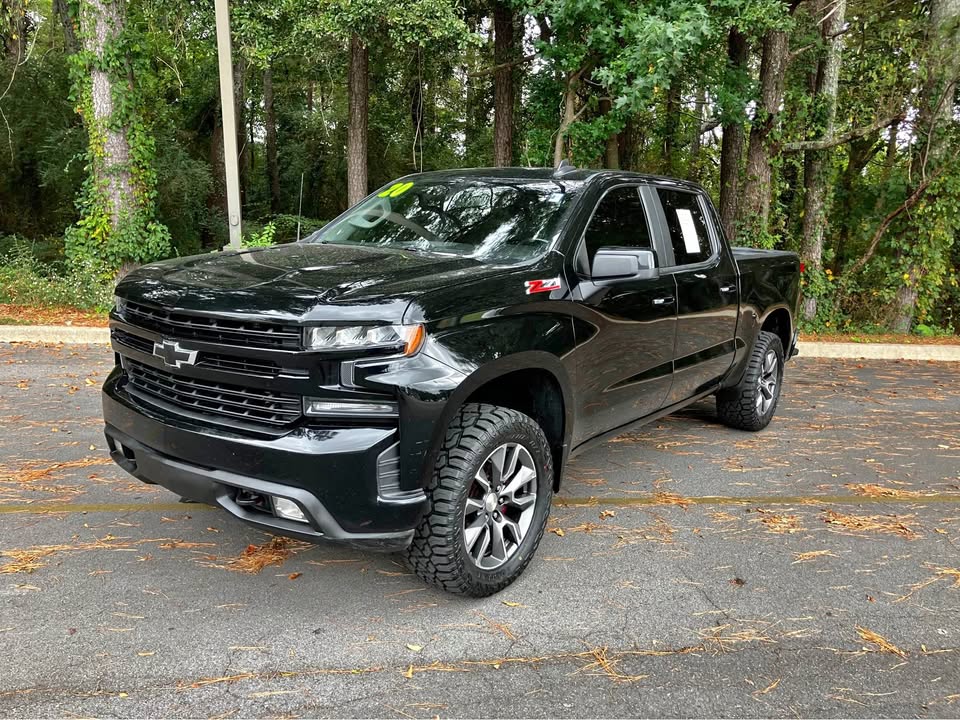
1. What the Rally Sport Truck Badge Really Means
How the RST name made it out of the ’80s and came back sharp
Back in the late ’80s, RST started as a pure appearance package, dealer-lot flash with no changes under the skin. Think stripes, wheels, and a name that sounded fast. By the mid-’90s, it faded out.
Then Chevy brought it back with real traction. The 2018 Silverado 1500 gave RST its modern form: clean body-color panels, black trim, and open access to bigger engines.
From there, it spread, Tahoe, Suburban, even the Silverado EV now wear the badge. This time, RST stuck. It’s not a tuner truck, but it’s Chevy’s factory-built street look, slick enough to stand out, common enough to move units.
Where RST lands in the trim ladder
RST sits right between the chrome-heavy work rigs and the upscale luxury builds. The LT covers the traditional crowd, bright trim, calmer look. LTZ and High Country go plush with chrome, leather, and polished metal.
RST aims at buyers who want tech and power without the shiny stuff. It pulls the screens and engines from the higher trims but swaps in body-color bumpers, black badges, and a tighter visual stance. Dealers move a lot of RSTs for one reason: price, performance, and street style all show up on the same invoice.
What’s under the skin and what isn’t
Mechanically, RST doesn’t reinvent the Silverado. It rides on the same chassis and suspension as the LT. Same core structure, same geometry. But it opens doors the LT can’t, like the 6.2L V8 or the 3.0L Duramax diesel on some builds.
It’s also where the wheel game changes. RST brings 20s or 22s on SUVs, and some Suburban builds push to 24-inch Carbon Flash wheels. They firm up the feel and lower the sidewall, tightening the street vibe without touching the spring rates. RST doesn’t drive like a track truck, it just looks like one.
2. RST Styling and Cabin Tech: Where It Stands Out
Color-matched everything and blackout attitude
What defines the RST? Monochrome panels and dark trim. Bumpers, door handles, and grille moldings get painted. Bowties, badges, and mirror caps go black. It’s a sharp break from the chrome-and-shine LT.
Want the full blackout? Chevy lets buyers stack LPO blackout kits like Dark Essentials to wipe out the last bit of brightwork. The result is tight and uniform, looks like it rolled out of a custom shop, but it’s built that way at the factory.
Wheels that shape both look and road feel
Wheel size is where the RST changes its posture. Silverado RSTs start with 18s, but jump to 20-inch black alloys for the proper stance. Tahoe and Suburban RSTs take it further, 22s standard, 24s optional.
Shorter sidewalls sharpen response and tighten up body movement, but they send more road texture into the cabin. Still, the visual payoff is clear, it looks planted, low, and built for the street, not the job site.
Cabin spec: all screens, no fluff
The RST cabin leans modern, not fancy. Chevy anchors it with a 13.4-inch infotainment screen and a 12.3-inch digital cluster, the same layout you’ll see in higher trims. Heated front seats, heated steering wheel, remote start, and power driver seat are standard fare.
Silverado RST keeps cloth seats unless optioned up; Tahoe and Suburban go with Jet Black leather and Victory Red contrast stitching. No wood, no chrome trim. The vibe is clean and tech-forward, exactly how Chevy wants RST to read when it sits next to a High Country on the lot.
3. Silverado 1500 RST Engines, Towing Muscle, and Street Manners
One Trim, Four Very Different Trucks
Every Silverado RST starts with a street-tuned vibe, but the engine you choose changes how it behaves. TurboMax 2.7 is the baseline, a four-cylinder that swings hard for its size with 310 hp and 430 lb-ft. It jumps off the line, stays calm in traffic, and handles small trailers without strain.
Go 5.3 V8 and you get the familiar half-ton rhythm, smooth on the highway, steady under load, and predictable in day-to-day driving.
Then there are the heavy hitters: the 6.2 V8 and the 3.0L Duramax LZ0. The 6.2 is the ticket to Chevy’s 13,300-lb max tow rating. The Duramax leans on fat low-end torque, long-range efficiency, and relaxed climbing. Both run through a quick-shifting 10-speed that keeps the power right where you need it.
Silverado 1500 RST Powertrain
| Engine | Type | HP | Torque (lb-ft) | Transmission | Max Towing* | Character |
|---|---|---|---|---|---|---|
| TurboMax 2.7L I4 | Turbo gas | 310 | 430 | 8-speed | Varies by axle | Value play, torquey, efficient, good for light-duty trailers |
| 5.3L EcoTec3 V8 | Gas V8 | 355 | 383 | 10-speed | Up to low-11,000s | Balanced tow muscle, familiar powerband |
| 6.2L EcoTec3 V8 | Gas V8 | 420 | 460 | 10-speed | Up to 13,300 lb | Peak power and max trailer rating |
| 3.0L Duramax I6 (LZ0) | Turbo diesel I6 | 305 | 495 | 10-speed | ~9,300–9,500 lb | Long-range puller with less stress and fewer fuel stops |
*Max towing varies by axle, cab, bed, and trailering package.
What RST Can Actually Haul, Not Just What the Brochure Says
Pick the right options, and an RST with the 6.2 pulls like a work truck. Same frame, same hitch hardware, and most dealer-stock units already carry the Trailer Package with the integrated brake controller and Hitch Guidance.
Those big numbers still depend on the recipe. The Max Trailering Package, axle ratio, and cab/bed mix decide whether you land in the upper bands or lose a chunk of capacity.
The 5.3 can tow more than many expect, up to the low-11,000s in certain builds, and the TurboMax can stretch into the mid-9,000 range when the gearing lines up.
Duramax RSTs sit in a realistic 9,300–9,500 lb window. Some Silverado configurations outside the RST layout can tow higher with the diesel, but the typical RST build stays in that mid-9k zone. TurboMax still works fine for light campers and weekend gear, but it’s not meant to flex big trailer numbers.
“Sport Truck” Rides Like an LT, Because It Mostly Is
RST doesn’t get unique suspension geometry or shocks. It shares LT hardware front to back. The ride changes mainly through wheel and tire choices. Larger alloys and shorter sidewalls stiffen initial impact feel and sharpen turn-in, giving the RST a street-leaning attitude without altering the bones.
If you want a Silverado that actually handles differently, Trail Boss and ZR2 are where the springs, dampers, bump stops, and geometry step up. RST is about the look and the engine menu, not a new chassis personality.
4. Tahoe and Suburban RST: Sport Feel With Real Hardware
Same Engines, Different Results
Tahoe and Suburban RSTs pull from the same engine menu, 5.3 standard, with 6.2 and Duramax as upgrades. The tuning and weight distribution make them feel tighter than their size suggests.
The 6.2 V8 in a Tahoe RST runs 0–60 in the high-5s, which is still quick for a three-row that can haul seven people and gear. The Duramax leans on that wide torque band and settles into a relaxed highway rhythm with fewer fuel stops.
Real Suspension Upgrades: Where the Truck Falls Short
Unlike the Silverado, Tahoe and Suburban RSTs can be optioned with Magnetic Ride Control and Air Ride Adaptive Suspension. MRC reads the road in real time and stiffens or softens shock response to keep body motion in check. Air Ride adds height control and load leveling.
These systems make big SUVs feel tighter and more planted, even with 22s or optional 24-inch wheels that would rattle a Silverado.
Cabin Details That Set the SUVs Apart
The Silverado RST interior is clean but basic unless you spec it up. In contrast, Tahoe and Suburban RSTs come with Jet Black leather, Victory Red stitching, and plenty of RST badging. It’s a sporty mood without drifting into luxury.
Pair that with adaptive dampers and the lower ride height, and these SUVs lean closer to street-tuned family haulers than utility rigs. The look comes from the factory, no aftermarket patchwork, built that way on Chevrolet’s full-size SUV line rather than pieced together after arrival.
RST Truck vs SUV: How Chevy Splits the Badge
| Feature | Silverado 1500 RST | Tahoe/Suburban RST |
|---|---|---|
| Exterior Theme | Body-color bumpers, black accents | Monochrome look, black grille, upsized wheel options |
| Interior Style | Cloth standard, optional leather | Jet Black leather with Victory Red stitching, RST logos |
| Suspension Setup | LT-style coil/shock hardware | Optional Magnetic Ride & Air Ride adaptive suspension |
| Max Factory Wheel Size | 20-inch alloys common | 22s standard, 24s available |
| Performance Highlight | Max 13,300-lb towing (6.2 + right gear) | Fast 0–60 with 6.2 V8, cushy ride with adaptive dampers |
| Core Character | Street-style truck with engine range | Sporty SUV with real chassis and comfort upgrades |
5. Pricing and Powertrain: What RST Actually Gets You
The Engine Menu That Makes RST Worth Looking At
The 2025 Silverado RST isn’t locked into one setup. It’s one of the only trims that lets you pair a sportier street look with nearly every engine Chevy offers, without jumping into LTZ or High Country territory. You can keep it basic with the TurboMax 4-cylinder, or spec it right up to the 6.2L V8 or Duramax diesel.
That flexibility is the real hook. While base trims limit engine availability, RST leaves the whole menu open.
RST vs. LT Pricing: The Real Difference
Official pricing from Chevy puts the 2025 Silverado LT at $48,100 and the RST at $51,500 (same cab and drivetrain). That’s a $3,400 gap, not the $1,000 often thrown around.
But that gap buys you more than paint. It unlocks key options like 20- to 22-inch wheels, body-color bumpers, and the stronger engines. For buyers who want power and sharper styling but not full luxury pricing, the RST sits in the sweet middle.
Powertrain Options and Towing Specs for 2025 RST
| Engine Option | Output | Transmission | Max Towing (approx.) | What It Does Best |
|---|---|---|---|---|
| 2.7L TurboMax I4 | 310 hp / 430 lb-ft | 8-speed auto | Up to ~9,500 lb | Strong low-end torque, daily driving, lighter loads |
| 5.3L EcoTec3 V8 | 355 hp / 383 lb-ft | 10-speed auto | Up to ~11,300 lb | Classic V8 feel, solid towing without the premium |
| 6.2L EcoTec3 V8 | 420 hp / 460 lb-ft | 10-speed auto | 13,300 lb | Quickest RST, top-tier tow muscle |
| 3.0L Duramax I6 (LZ0) | 305 hp / 495 lb-ft | 10-speed auto | ~9,300–9,500 lb in typical RST builds | Smooth diesel torque, best highway range and relaxed hauling |
The LZ0 Duramax (introduced in 2023) replaces the older LM2 and brings the stronger 305/495 output. It’s the torque-rich setup for buyers who care more about range and low-stress hauling than outright acceleration.
6. Where the RST works and where it doesn’t
What owners usually like after the shine wears off
RST earns early points for looking finished straight off the lot. Buyers consistently mention the blacked-out trim, big wheels, and monochrome bodywork as the “factory custom” they wanted without the hassle.
The 6.2L V8 also gets high marks, plenty of punch, good tone, and a clear edge over mid-trim V8s from Ford or Ram. Duramax owners zero in on long-haul calm and excellent highway range.
Interior tech also makes a strong impression: the wide 13.4″ screen and 12.3″ cluster keep the cabin feeling fresh even if you skip the high-dollar leather.
Where frustration creeps in over time
Some owners have seen real trouble early. Transmission failures on 2019–2023 RSTs, gas and diesel, have shown up as early as 25,000 miles. It doesn’t hit every truck, but when it does, repairs can be expensive and slow thanks to parts backlogs.
On the software side, the screens look sharp but draw complaints: laggy menus, glitchy cameras, and underwhelming audio even with Bose. These issues tend to surface more for owners who tow often or daily-drive long distances.
Why a factory RST often wins over a DIY blackout build
Trying to replicate an RST look by modding an LT can eat up time, warranty coverage, and resale value. Wheels, black badges, steps, and paint-matched trim stack up fast at the parts counter. A factory RST keeps the VIN clean, warranty intact, and trade-in stronger.
Sure, DIY builds offer more freedom, exhausts, tunes, custom wheels, but factory builds usually cost less for the same aesthetic and come with better financing and insurance leverage. OEM wins the resale game every time.
7. Who the Chevy RST package really suits
Silverado RST buyers who squeeze the most from the trim
The Silverado RST hits best with drivers who want a full-size truck that looks sharp in a city garage but still pulls weekend duty. The ideal build? Crew cab, 5.3L or 6.2L V8, proper trailering gear, and the factory blackout look.
That buyer’s chasing body-color panels, big screens, and the ability to spec real power, without crossing into High Country money. Chrome, wood trim, and off-road gear? Not priorities. Style, engine choice, and daily usability come first.
Tahoe and Suburban RST drivers who actually feel the upgrades
For SUV shoppers, the RST trim lands with families who rack up real miles but don’t want a soft, floaty ride. A Tahoe or Suburban RST with 6.2L, Magnetic Ride, and 22-inch wheels stays tighter in corners, calmer at speed, and more composed than base trims.
The Jet Black interior with Victory Red stitching delivers a mood that splits the difference between fleet-grade and luxury, edgy, not flashy. The difference shows every day in ride control, steering, and curb presence.
When another Chevy trim makes more sense
Work-first buyers tend to land better in the LT, where chrome bumpers, simpler finishes, and lower price suit trucks that get used hard. Drivers who hit trails, ruts, or deep snow regularly get more from Trail Boss or ZR2, where the suspension and tires do real work.
And anyone chasing leather, comfort, or polished luxury finds better value in LTZ or High Country, where the spend shifts from exterior styling to interior trim. The RST fits buyers who prioritize the look and powertrain options, then live with a cabin and chassis that mostly stick to Chevy’s shared system.
Sources & References
- What Does ‘RST’ Mean on a Chevy? Understand the Code – DELLA Chevrolet
- What Does RST Stand For? | Chevy RST Package – Penske Chevrolet
- 2025 Chevrolet Silverado 1500 Trim Level Comparison | AutoNation
- 2024 Chevy Silverado 1500 Trim Comparison Guide – Heritage Chevrolet
- What Does RST Mean for Chevy? | Chevy RST Models Explained – Don Ringler Chevrolet
- New Chevrolet Silverado 1500 Trim Breakdown – The Chevy Exchange
- 2026 Chevy Silverado 1500 | Pickup Truck | Chevrolet
- LT vs RST : r/Silverado – Reddit
- New 2026 Chevrolet Silverado 1500 RST Crew Cab in Villa Park #V24550
- What Is The RST Package On A Chevy Silverado? – Preston Chevrolet of Aberdeen
- 2026 Chevy Suburban | Large SUV | Chevrolet
- Chevy RST Meaning: A Guide to Chevrolet’s Sporty and Stylish Trim …
- The Ultimate Guide to Chevy Silverado Trim Levels – Northside Chevrolet
- 2025 Chevrolet Silverado 1500 Trim Levels Comparison
- 2024 Chevy Silverado 1500 Towing Capacity – Rick Hendrick Chevrolet Buick GMC Richmond
- 2024 Chevy Silverado 1500 Towing Capacity | Rick Hendrick Chevrolet
- 2019-2024 Silverado 1500 Suspension Components – Cognito Motorsports
- 2025 Chevy Silverado 1500 LT vs RST Trim Comparison | Gordon Chevrolet
- 345074 – KYB
- Chevy Silverado 1500 Trim Comparison – Wilson Chevrolet
- 2025 Suburban LT vs RST | Compare Trims at McGrath Chevyland
- 2026 Chevy Silverado 1500 Trim Level Guide | Classic Chevrolet Owasso
- 2026 Chevrolet Silverado 1500 Gets RST Select Special Edition – Cars.com
- Key Differences Between The 2025 and 2026 Chevy Silverado: A Guide – Napleton Chevrolet Saint Charles
- 2026 Chevy Silverado 1500 RST Select Special Edition is new, affordably priced sporty truck?
- Chevrolet Silverado Reviews: Written By Customers – Consumer Affairs
- Used 2023 Chevrolet Silverado 1500 Consumer Reviews – 35 Car Reviews | Edmunds
- RST pros and cons after a week of ownership. : r/SilveradoEV – Reddit