
Cross one toll point in Illinois. Pass the next in New York. Same tag, different bill. That is the trap. I-PASS and E-ZPass look like the same deal. In one sense, they are.
Both work across much of the same toll network. The gap opens when local toll agencies set their own prices, discounts, and account rules.
Illinois stays pretty friendly. I-PASS fits that world well, and many E-ZPass users still get the lower electronic rate there. New York is a different animal. A New York E-ZPass can cost far less than an Illinois-issued I-PASS on the same crossing.
This guide sorts where I-PASS keeps life simple, where E-ZPass saves more money, and which one fits your route, budget, and toll habits.
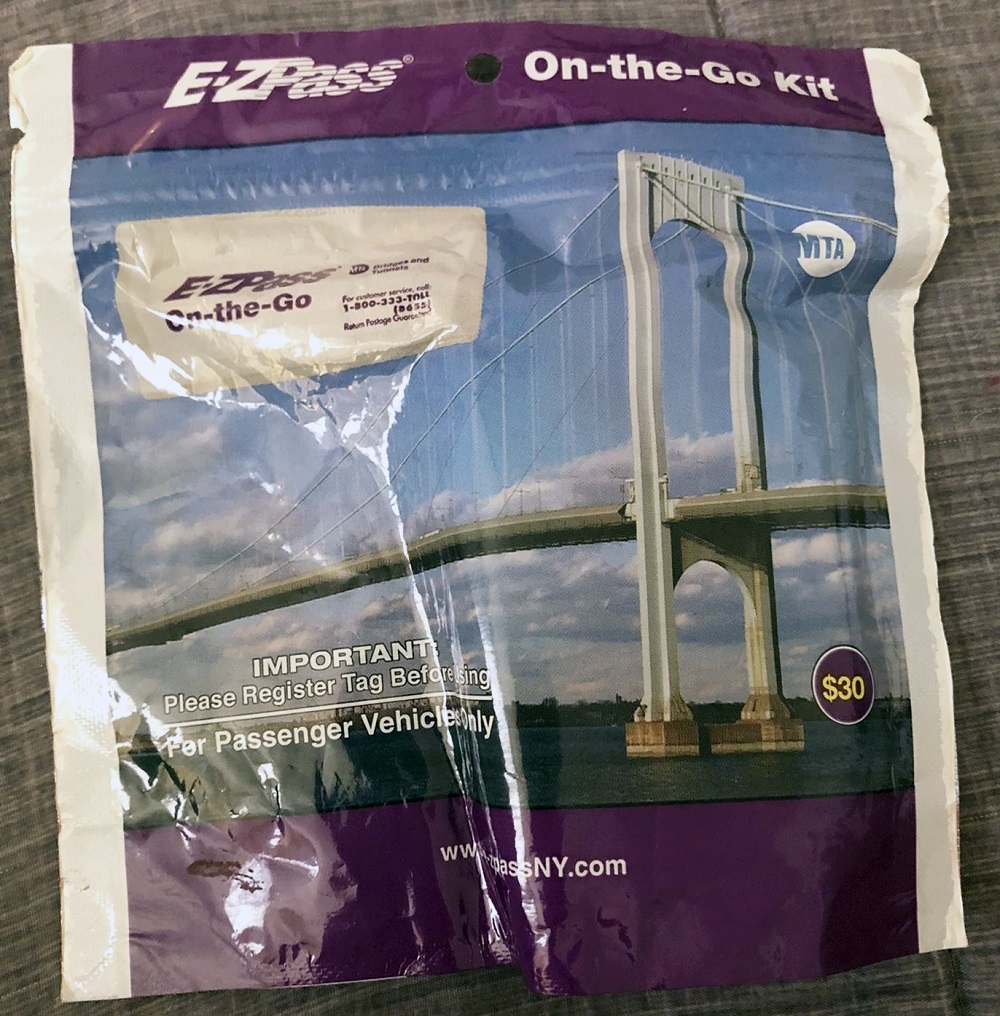
1. They use the same toll tech, but the tag itself changed
Start with the myth, because I-PASS is not a different toll language
I-PASS and E-ZPass speak the same toll language. Illinois runs the account. The broader E-ZPass group runs the network. The reader over the lane sees a tag, then sends the charge to the issuing agency.
So the fight does not start at the gantry. It starts after the read. One agency may charge less, offer better discounts, or set easier account rules than another. That is where the gap opens.
Sticker tags cut cost, but they also cut flexibility
The old hard-case units used a battery. The new sticker tags do not. They use passive RFID, stay on the windshield, and cost agencies far less to buy. Illinois began moving to sticker tags in 2024, and other toll systems are following the same path.
That saves real money on the agency side. Hard-case units cost about $7.05 to $7.40 each. Sticker tags drop that to about $0.37 to $0.55. The issue is simple, cheaper tag, less freedom.
| Hardware issue | Sticker tag | Older hard-case transponder | Why it matters |
|---|---|---|---|
| Power source | No battery | Battery inside | Sticker avoids battery replacement |
| Cost to agency | $0.37 to $0.55 | $7.05 to $7.40 | Agencies save a lot per tag |
| Portability | Poor | Better | Sticker stays with one vehicle |
| Best fit | One car, fixed use | Shared cars, rentals, fleet swapping | Old box was easier to move |
One windshield, one tag, and mounting still matters
A sticker tag is built for one car. Pull it off, and it is meant to stop working. That makes life harder for rental users, multi-car families, and anyone who used to move one tag between vehicles.
Mounting still matters too. Fewer than 1% of vehicles have windshield material that can block the signal, so those vehicles may need a plate-mounted unit. Heavy trucks may need roof-mounted hardware.
Illinois also gives only 5 courtesy transactions per month before a missing or badly placed tag can push the trip to the higher cash or invoice rate.
2. The toll reader is neutral, but local pricing can still hammer your wallet
Illinois stays friendly, which is why I-PASS plays so well in the Midwest
Illinois keeps the rate structure simple. The Illinois Tollway says I-PASS and E-ZPass customers get 50% off tolls. That makes Illinois one of the easiest places to carry an out-of-state E-ZPass without getting punished at the lane.
That pricing shape matters if most of your miles stay in Illinois, Indiana, or nearby corridors. A Midwest driver can use I-PASS as the home account, keep the lower Illinois rate, and still run through the larger E-ZPass network.
The toll math stays clean because Illinois does not fence its main electronic rate behind a local-account wall.
New York changes the game, because local accounts get the real breaks
New York puts real money behind local issuance. MTA toll tables for 2026 show three tiers on major crossings, E-ZPass issued by the New York Customer Service Center, a mid-tier for certain cases, and the highest rate for Tolls by Mail or non-NYCSC E-ZPass. That last bucket is where an Illinois I-PASS lands.
The spread is not small. On the Verrazzano-Narrows Bridge, the 2026 passenger-car rate is $7.46 with NYCSC E-ZPass and $12.03 for Tolls by Mail or non-NYCSC E-ZPass. At the Henry Hudson Bridge, it is $3.42 versus $8.87.
Resident plans push the gap even farther. MTA says eligible Staten Island residents with E-ZPass NY can pay an effective $2.75 on the Verrazzano, compared with the $12.03 non-NYCSC or Tolls by Mail rate. A local New York account is not a small perk there, it is the whole price fight.
New Jersey also rewards locals, especially when the road is quiet
New Jersey keeps its own thumb on the scale. The New Jersey Turnpike Authority says passenger vehicles pay a lower NJ E-ZPass rate during off-peak periods on the Turnpike. Peak periods run 7:00 to 9:00 a.m. and 4:30 to 6:30 p.m. on weekdays, plus all weekend hours.
That means a local NJ E-ZPass account can beat an out-of-state tag even when both clear the same gantry. The toll lane reads both. The billing rules do not treat them the same. NJ also layers in Green and Senior discounts off the off-peak NJ E-ZPass fare, which out-of-state toll accounts do not unlock.
| Region or facility pattern | I-PASS | Local E-ZPass account | What happens to the bill |
|---|---|---|---|
| Illinois Tollway | Strong fit | Usually still gets the same electronic discount | Both usually get 50% off |
| New York MTA bridges and tunnels | Works, but priced as non-NYCSC | Best fit | Local account can save several dollars per crossing |
| New Jersey Turnpike off-peak travel | Accepted | Better fit | NJ account unlocks off-peak discount rules |
3. Fees, refill rules, and negative balances can cost more than the tag
I-PASS keeps the fee side cleaner
I-PASS is easier to live with when the goal is low maintenance. Illinois carries no monthly fee and no annual fee on the basic account. The sticker tag also cuts the upfront hit to $0, while older Illinois transponders carried a $10 deposit.
E-ZPass does not work like one single product. The issuing state controls the rules. New Jersey adds a $1 monthly fee. Pennsylvania adds a $3 annual fee per transponder. Indiana stacks a $1.25 monthly fee, a $12 annual fee, and a $7 deposit.
Maryland can charge non-residents too. Its $1.50 monthly fee is waived only if the account is used at least 3 times in a billing period. New Hampshire can warn after 18 months of no use, then shut the account after 24 months. Virginia requires activity once every 6 months.
| Issuing agency | Monthly fee | Annual fee | Deposit or tag cost |
|---|---|---|---|
| Illinois I-PASS | $0.00 | $0.00 | $0 sticker, $10 older transponder |
| New York MTA / Thruway | $0.00 | $0.00 | $0 |
| New York Port Authority | $1.00 | $0.00 | $0 |
| New Jersey E-ZPass | $1.00 | $0.00 | $0 |
| Pennsylvania E-ZPass | $0.00 | $3.00 | $0 |
| Indiana E-ZPass | $1.25 | $12.00 | $7.00 deposit |
| Maryland E-ZPass | $1.50 for many non-residents | $0.00 | $0 |
Refill rules are where casual users get pinched
Most toll accounts are prepaid. The balance drops, then the agency charges the card or bank account again. Illinois starts with a $20 minimum balance and refills $10 or 10% of average monthly use. New York starts at $25 and refills $25.
New Jersey also starts at $25, then refills $25 once the balance falls below $15. Massachusetts starts at $20 and auto-refills $10 per transponder. Pennsylvania starts at $35 per transponder, then recalculates after 90 days based on the last 3 months of use.
That means a casual toll user can have more money tied up than expected. A household with several vehicles can feel that clamp even faster. Pennsylvania’s dynamic reset is built to hold about one month of travel money in the account.
Pay Per Trip helps, but it comes with hard limits
Some agencies offer Pay Per Trip. That skips the prepaid balance and pulls tolls from a checking account once per day on days when tolls post. The issue is simple, it usually wants ACH, not a credit card.
That shuts out some users right away. A driver who wants card rewards or chargeback protection may get forced back into prepaid mode. Pay Per Trip users also usually lose E-ZPass Plus access, so airport parking at places like JFK, LaGuardia, or Newark stays off the table.
A negative balance can turn a cheap account into a penalty machine
Illinois gets harsh once the balance falls below $0. The account is treated as suspended. Any later toll can be billed at the non-I-PASS rate, which is double the discounted Illinois rate, with extra fees or fines layered on top.
That is how a cheap toll setup starts leaking money fast. On Illinois roads, the normal transponder discount is 50%. Fall out of good standing, and the lane can bill like you never had the tag at all.
New Jersey users have reported bank freezes and failed replenishment chains that snowballed into more than $700 in fines.
4. Your route matters more than the logo on the tag
Midwest miles make I-PASS the easy answer
Illinois is the cleanest home base in this comparison. The account has no monthly fee. The annual fee is $0. The sticker tag also drops the normal entry cost to $0 for a standard vehicle.
That math works well for drivers who live on the Illinois Tollway, cross into Indiana, or stay in the Midwest lane. The tag still works across the broader E-ZPass network, so the account does not trap you inside one state. The main value is simple, low-friction toll use without local-fee clutter.
A Midwest commuter also avoids the local-discount wall that hits harder in the Northeast. Illinois gives the standard electronic toll break to both I-PASS and E-ZPass users on its own roads.
The full-trip passenger-car rate on the Jane Addams Memorial Tollway can be $2.75 with a transponder and $5.50 without one.
New York regulars should stop trying to outsmart the local account rules
New York is where the outsider trick falls apart. A local E-ZPass NY account gets the best rates on major MTA crossings. An out-of-state tag can work perfectly at the gantry and still get billed at the higher non-NYCSC tier.
That gap gets ugly fast on repeat trips. At the Verrazzano-Narrows Bridge, the 2026 passenger-car rate is $7.46 with E-ZPass NY and $12.03 for non-NYCSC E-ZPass or Tolls by Mail. At the Henry Hudson Bridge, the spread is $3.42 versus $8.87.
Resident and commuter plans make the local account even harder to beat. Staten Island residents can get an effective $2.75 rate at the Verrazzano if they qualify.
The Thruway also runs commuter plans that demand 20 or 35 trips per month, and bill the missed trips at the plan rate if the driver comes up short.
New Jersey and the Tri-State corridor still reward local loyalty
New Jersey has its own local logic. Peak hours on the Turnpike run from 7:00 to 9:00 a.m. and 4:30 to 6:30 p.m. on weekdays, plus all weekend hours. Off-peak discounts are tied to NJ E-ZPass accounts.
That means a New Jersey regular gives up real savings by treating toll tags like interchangeable gadgets. Local plans also stack extra perks for some drivers, including Green Pass and certain senior discounts. Those breaks do not follow an Illinois-issued tag into the lane.
Parking can tilt the choice too. E-ZPass Plus works at places like JFK, LaGuardia, Newark Liberty, Albany International, and Atlantic City International. I-PASS generally does not handle those non-toll parking transactions.
Florida and Georgia widen the map, but they do not make the choice simpler
Florida opened the gate wider by accepting E-ZPass and I-PASS across its toll roads. Georgia’s Peach Pass is also interoperable with the E-ZPass system. That helps long-haul East Coast drivers, snowbirds, and route-heavy travelers who bounce between regions.
The hardware question gets trickier down there. Florida sells portable bridge devices like SunPass PRO and Uni that work in Florida and across the E-ZPass footprint. Those units suit travelers better than a fixed windshield sticker when one car is not the whole story.
Running two live toll tags in one vehicle can backfire. Florida agencies warn about double-charge risk when both tags are active. The fix is crude but real, one tag active, the other in an RF-shield bag.
Multi-car households and rental users get squeezed by sticker logic
Sticker tags work best when the car stays the same. They do not play well with households that rotate cars, borrow vehicles, or rent often. Pull the sticker off, and it is designed to stop working.
That pushes flexible drivers toward portable gear or a different account setup. A household that once moved one hard-case transponder between cars loses that trick with the newer sticker format. Illinois also caps its missing-transponder courtesy at 5 trips per month.
5. Fleets should stop treating this like a consumer toll choice
One truck is simple, 50 trucks turn tolling into office work
A personal I-PASS or E-ZPass account can handle a pickup, van, or light work car. That breaks down once a fleet starts running many vehicles across many states.
The problem stops being toll payment alone. It becomes missed reads, axle-based charges, plate errors, violations, and hours of back-office cleanup.
A self-managed toll account leaves that mess on the fleet. Someone has to match each charge to the right vehicle, chase down bad reads, and fight violations before the fines stack up. On a busy fleet, that can turn into a full-time job.
Standard toll accounts leave fleets exposed when reads go bad
Consumer accounts are built around one driver and one vehicle record. Fleets live in a rougher world. Trucks swap routes. Drivers swap units. Trailers change axle counts. A bad plate read or missing transponder can throw the whole invoice out of shape.
That gets expensive fast on commercial roads. On the Indiana Toll Road, a Class 5 tractor-trailer can pay $24.12 with E-ZPass and $48.24 with Toll By Plate. One missed transponder read can double the toll before the admin work even starts.
Fleet toll platforms fix problems consumer tags were never built to handle
This is where fleet platforms like Toll Management, formerly Bestpass, pull away. They are built for national coverage, automated misread recovery, stronger plate recognition, and centralized violation handling. The value is not the tag alone. The value is the cleanup system behind it.
A fleet platform can also reach beyond the normal E-ZPass footprint. Standard I-PASS and standard E-ZPass accounts cover the E-ZPass states. Fleet-oriented platforms can also fold in major toll roads in places like California, Texas, and Kansas.
| Feature | Standard I-PASS or E-ZPass | Fleet toll platform |
|---|---|---|
| Main user | Personal or light commercial | Multi-vehicle fleet |
| Coverage | E-ZPass states | Broader national toll coverage |
| Misread cleanup | User handles it | Automated recovery tools |
| Violation handling | User fights each case | Centralized portal and support |
| Plate recognition | Limited backup use | Stronger fleet-level support |
Heavy trucks also run into hardware limits faster
Commercial rigs do not always play nice with the same windshield setup used in a commuter car. Some trucks need roof-mounted gear for a clean overhead read. Some oddball windshield setups can force a different transponder style. A bad mount can turn a valid account into an unpaid-toll problem.
That matters more on trucks because the tolls are larger. A passenger car mistake can sting. A tractor-trailer mistake can torch cash flow on one trip. The difference between a valid read and a plate-bill can be $24.12 versus $48.24 on a single Indiana Toll Road pass.
6. Pick by route, account friction, and how many vehicles you juggle
Illinois and Midwest regulars usually do best with I-PASS
I-PASS fits the Midwest cleanly. Illinois charges no monthly fee and no annual fee on the base account. The sticker tag also cuts the normal entry cost to $0.
That works well for drivers who live on Illinois toll roads and still need wider coverage. The tag runs across the E-ZPass network after registration. Illinois also gives the main electronic discount to both I-PASS and E-ZPass users on its own roads, so the local account does not trap a driver inside one state.
New York commuters should stop treating an out-of-state tag like a clever workaround
New York puts the best rates behind a New York-issued E-ZPass account. On major MTA crossings, non-NYCSC tags fall into the high-price bucket. That includes an Illinois I-PASS even when the lane reads it without trouble.
The spread gets ugly fast. The Verrazzano-Narrows Bridge runs $7.46 with E-ZPass NY and $12.03 with non-NYCSC E-ZPass or Tolls by Mail. The Henry Hudson Bridge runs $3.42 versus $8.87.
Resident programs push the gap even wider. Eligible Staten Island residents can get an effective $2.75 rate at the Verrazzano. That pricing stays locked behind the local account and local program rules.
New Jersey regulars should stay local too
New Jersey rewards its own account holders during off-peak periods. Peak windows run 7:00 to 9:00 a.m. and 4:30 to 6:30 p.m. on weekdays, plus all weekend hours. NJ E-ZPass users get discounts outside those windows that out-of-state accounts do not unlock.
That matters even before extra programs come into play. Green Pass and other NJ-specific discounts sit on top of the off-peak structure. A tag from Illinois can clear the same gantry and still miss the better price ladder.
Snowbirds and long-haul East Coast travelers need to think about hardware, not just network maps
Florida and Georgia widened the usable map. E-ZPass and I-PASS now work across Florida toll roads, and Georgia Peach Pass is interoperable with the E-ZPass system. The coverage gap is smaller than it used to be.
The hardware problem stays real. A fixed sticker tag is fine for one car that always makes the trip. Portable devices like SunPass PRO or Uni fit better when the vehicle changes, the household shares cars, or rentals are common. Running two active tags in one vehicle can trigger double charges.
| Driver type | Better fit | Hard reason |
|---|---|---|
| Illinois or Midwest regular | I-PASS | $0 monthly fee, $0 annual fee, native Illinois pricing |
| New York commuter | E-ZPass NY | Lowest MTA rates and access to resident programs |
| New Jersey corridor regular | NJ E-ZPass | Off-peak and local discount access |
| Florida snowbird with one fixed car | I-PASS or E-ZPass can work | Broad network access now reaches Florida |
| Rental-heavy or multi-car driver | Portable E-ZPass-style setup | Sticker tags do not swap cleanly |
| Commercial fleet | Fleet toll platform | Misread recovery and violation handling matter more than retail account rules |
Multi-car households should take the sticker warning seriously
Sticker tags favor fixed use. They do not like vehicle swapping, rental counters, or one household sharing one toll device. Remove the sticker, and it is built to stop working.
That turns flexibility into the deciding factor for some drivers. A household that used to move one hard-case transponder between cars loses that option once the account moves to sticker logic. Illinois also limits its courtesy cushion for missing transponders to 5 trips per month.
7. The right tag depends on where the toll authority has the pricing leverage
I-PASS wins when low friction matters more than local Northeast perks
I-PASS is the cleaner account for a Midwest-based driver. Illinois keeps the base account simple, $0 monthly fee, $0 annual fee, and a sticker tag with no normal upfront cost. The tag also works across the broader E-ZPass footprint after registration.
That makes I-PASS the easy pick for drivers who mostly run Illinois roads, cross into nearby states, and want fewer account-fee traps.
Illinois also extends its main electronic discount to E-ZPass users on its own system, so the home-state choice stays flexible. The Jane Addams Memorial Tollway can run $2.75 with a transponder and $5.50 without one.
E-ZPass wins when local agencies lock the best rates behind local accounts
New York is the clearest example. A New York-issued E-ZPass unlocks the best MTA rates and the resident plans that matter most to regular local users. An Illinois I-PASS can work fine at the gantry and still get billed at the higher non-NYCSC tier.
The gap is large enough to settle the argument for many commuters. The Verrazzano-Narrows Bridge runs $7.46 with E-ZPass NY and $12.03 with non-NYCSC E-ZPass or Tolls by Mail. Staten Island resident pricing can drop to an effective $2.75 with the right local setup.
New Jersey pushes the same way. NJ E-ZPass users get off-peak pricing and local discount access that out-of-state accounts do not unlock. Peak hours run 7:00 to 9:00 a.m. and 4:30 to 6:30 p.m. on weekdays, plus all weekend hours.
Sticker tags changed the use math for shared cars and rentals
The old plastic transponder was easier to move. The new sticker tag is cheaper for agencies, but it stays tied to one windshield. Pull it off, and it is meant to stop working.
That shift matters most in multi-car homes, rental use, and mixed travel patterns. A driver who changes cars often may need a portable setup like SunPass PRO or Uni instead of a fixed sticker account. Illinois also limits its missing-transponder courtesy to 5 trips per month.
Standard consumer tags lose once fleet admin becomes the real problem
A fleet does not need a retail toll account. It needs read recovery, violation handling, axle-based billing control, and wider national coverage. That is why fleet platforms sit in a different category from standard I-PASS or E-ZPass accounts.
On commercial roads, a bad read gets expensive fast. A Class 5 tractor-trailer on the Indiana Toll Road can pay $24.12 with E-ZPass and $48.24 with Toll By Plate. One missed transponder read can double the toll on a single pass.
Sources & References
- I-PASS States 2026 – World Population Review
- E-ZPass States 2026 – World Population Review
- I-Pass – Wikipedia
- Illinois Tollway Moving to I-PASS Sticker Tags
- E-ZPass Transponders Are Disappearing By End of 2026: New ‘Invisible’ Alternative Will Replace Them – Secret NYC
- florida’s turnpike enterprise now accepts e-zpass® statewide – Bay Harbor Islands
- I-PASS Account – Illinois Tollway
- E-ZPass Costs by State 2026 – World Population Review
- I-Pass phasing out transponders for sticker tags | FOX 32 Chicago
- Procrastinators Rejoice: Illinois Tollway Is Mailing Out I-PASS Stickers – Q98.5
- Meet the new E-ZPass transponder in Massachusetts: It’s just a sticker | WBUR News
- E-ZPass transponders are being phased out for stickers in Massachusetts. Here’s what to know. – CBS News
- SunPass PRO
- E-ZPass in Florida 2025 | SunPass PRO & Uni Explained – Hola Car Rentals
- Transponder Types Tooltip Content – Illinois Tollway
- I-PASS Terms – Illinois Tollway
- Illinois Tollway
- Toll Facilities Participating in E-ZPass
- E-ZPass – Wikipedia
- Peach Pass & E-ZPass | Seamless Toll Payments Across States
- E-ZPass Network Map
- Participating Toll Facilities – E-ZPass® New York
- State-by-State E-ZPass Guide: Fees, Rules, and Discounts – Roadtrippers
- E-ZPass | Henrietta NY
- E-Z Pass System Comparison
- New York E-ZPass Discount Plans | Thruway Authority
- Bridges and Tunnels tolls by vehicle – MTA
- Toll Calculator – New Jersey Turnpike and Garden State Parkway
- Illinois Toll Roads – IL Toll Ways & Payment Methods 2026 – SIXT
- New 2026 Tolls – Port Authority
- Truck toll rates – MTA
- MTA Bridges and Tunnels resident programs
- Thruway Gov. Mario M. Cuomo Bridge Commuter Plan – E-ZPass® New York
- Tolls are going up for Pennsylvania and New Jersey drivers in 2026. Here’s how much more you’ll pay. – CBS News
- New Jersey Toll Roads – NJ Toll Ways & Payment Methods 2026 – SIXT
- E-ZPass | New York State Bridge Authority
- E-ZPass Facts
- E-ZPass – Port Authority
- E-ZPass® New York
- EZ Pass Survival Guide – Tollsmart
- NJ E-ZPass – App Store – Apple
- Toll Management (Formerly Bestpass) vs E-ZPass – Fleetworthy
- Interoperability – Florida’s Turnpike
- E-ZPass Accepted on All Florida Toll Roads
- About E-PASS | Central Florida Expressway Authority
- Tolls NY – App Store – Apple
- Illinois Tollway – App Store – Apple
- PA Toll Pay – App Store – Apple
- E-ZPass | BBB Reviews | Better Business Bureau
- E-ZPass Group Reviews: Written By Customers – Consumer Affairs
- EZ Pass – PayByPlateMA