
Spot a clean 5.9 on steel wheels, then hear a newer 6.7 idle beside a loaded gooseneck. Now the choice gets expensive. The 5.9 Cummins gives you old-school diesel life, fewer emissions parts, and simpler repairs.
The 6.7 Cummins gives you more torque, stronger towing manners, a VGT exhaust brake, and a heavier sensor bill.
The year decides the risk. A VP44 24-valve 5.9 does not shop like a 2006 common-rail truck with a Bosch CP3. A 2019–2020 6.7 needs a hard look at its CP4 history before the famous Cummins badge distracts you from an $8,000 fuel-system repair.
1. Start with the year breaks, because “5.9 vs 6.7” hides several engines
The 5.9 earned its name before diesel trucks got crowded with sensors
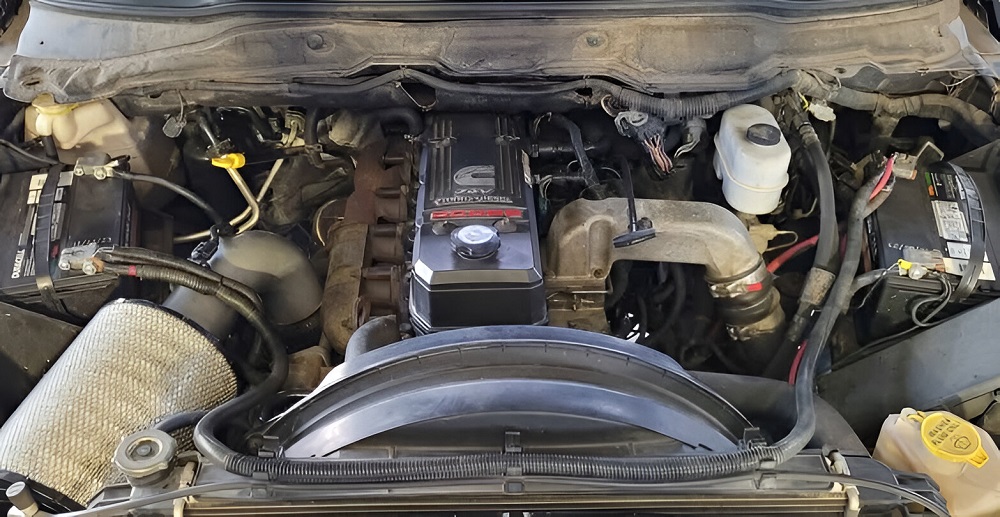
The 5.9 Cummins ran from 1989 through 2007, but it was not one engine in practice. The early 12-valve trucks used mechanical injection, first with the Bosch VE pump, then the Bosch P7100 from 1994 through 1998. Those P-pump trucks still pull strong money because they can run with almost no electronic help.
The 1998.5–2002 24-valve changed the deal. Better airflow came from the 24-valve head, but the Bosch VP44 pump brought a weak spot. When the lift pump starves it, the VP44 overheats and fails.
The 2003–2007 common-rail 5.9 usually lands in the sweet spot. It uses a Bosch CP3 pump, drives smoother, makes up to 325 hp and 610 lb-ft, and still avoids a factory DPF. That is why a clean late 5.9 often costs more than its age suggests.
The 6.7 brought more muscle and more parts to babysit
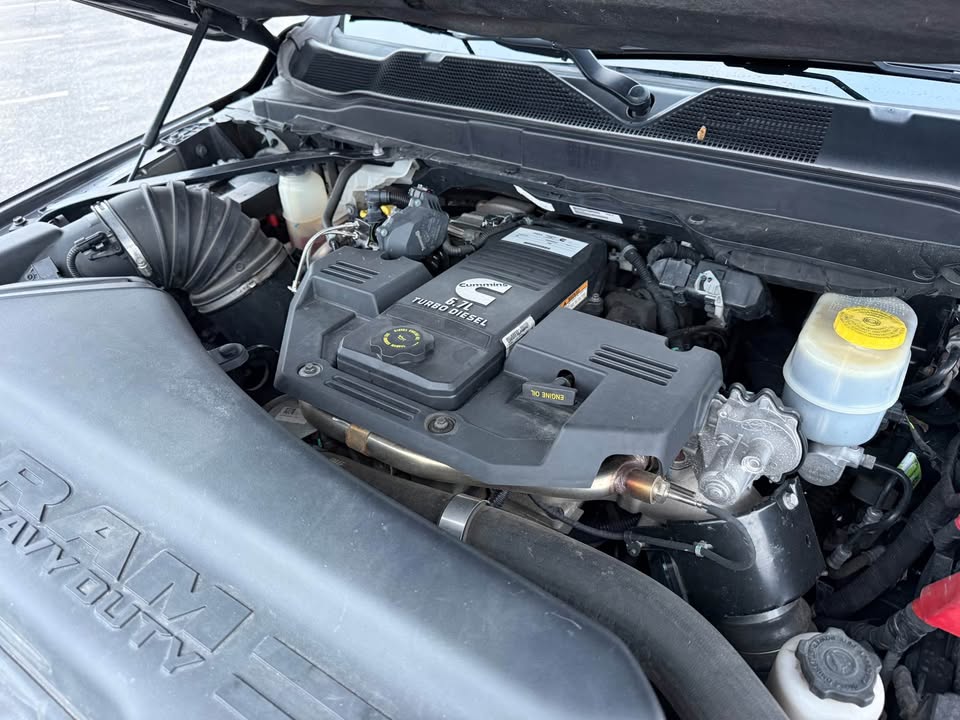
The 6.7 Cummins arrived in mid-2007 because diesel rules tightened and Ram needed more tow power. Cummins stretched displacement from 359 cubic inches to 408 cubic inches, then added EGR, a DPF, and a variable-geometry turbo. SCR and DEF joined the lineup in 2013.
That extra hardware changed how the truck works. The VGT helps spool the turbo faster and gives the 6.7 a real exhaust brake on long grades. The DPF, EGR cooler, NOx sensors, DEF system, and regen cycle add failure points a 5.9 owner never had to price.
The 2019–2020 trucks need their own warning label. Ram moved to the Bosch CP4.2 pump, and CP4 failure can send metal through the high-pressure fuel system. Repair bills can run past $8,000 when the pump fails.
The 2025 6.7 changes the package again. Cummins lists the new Ram HD engine at 430 hp and 1,075 lb-ft, with a new 8-speed automatic and a Bosch CP8 pump. That CP8 runs a separate oil circuit and supports up to 39,000 psi rail pressure.
The year table tells you where the risk starts
| Cummins era | Core hardware | Biggest point |
|---|---|---|
| 1989–1998 5.9 12-valve | Mechanical VE or P7100 pump | Simplest and easiest to keep alive |
| 1998.5–2002 5.9 24-valve | VP44 electronic rotary pump | Better airflow, but lift-pump and VP44 risk matter |
| 2003–2007 5.9 common rail | Bosch CP3, no factory DPF | Best mix of use and pre-DPF simplicity |
| 2007.5–2018 6.7 | Bigger displacement, VGT, EGR, DPF, SCR over time | More torque, more emissions upkeep |
| 2019–2024 6.7 | Updated block era, CP4 issue in 2019–2020, then CP3 return | Stronger capability, but buyer must know the fuel-pump years |
| 2025-up 6.7 | Updated 6.7 with 8-speed and CP8 fuel pump | Best modern Ram diesel package, still far more complex than a 5.9 |
2. Power delivery separates the old legend from the modern workhorse
The 5.9 feels slow, direct, and hard to fake
The 5.9 makes its case through feel. A 12-valve truck builds torque low, rattles with old diesel honesty, and answers throttle with a direct mechanical shove. Early engines made as little as 160 hp and 400 lb-ft, but they worked without an ECM monitoring every move.
The 24-valve trucks breathe better, but the VP44 years feel tied to fuel supply health. Weak lift-pump pressure can cook the injection pump, then the truck loses power or dies like the fuel got shut off. A buyer should treat lift-pump history as engine history on a 1998.5–2002 truck.
The 2003–2007 common-rail 5.9 feels more civilized. Bosch CP3 pressure, cleaner injection events, and up to 610 lb-ft made it easier to live with every day. It still lacks the chassis, braking, gearing, and tow control baked into newer Ram HD trucks.
The 6.7 pulls harder with less drama
The 6.7 uses bigger lungs. Its 408 cubic inches, longer 4.88-inch stroke, higher rail pressure, and VGT help it make torque earlier and hold it longer. The truck needs less throttle to move a heavy trailer.
Ram lists the 2025 2500 diesel at 430 hp and 1,075 lb-ft. It also lists 20,000 lbs of max diesel towing and 3,600 lbs of max diesel payload. Those numbers put the modern 6.7 in a different work lane than an old 5.9 pickup.
The turbo does real work here. The VGT tightens exhaust flow at low rpm, then opens as load rises. On grades, it also closes to create backpressure for exhaust braking.
Engine strength and truck strength do not mean the same thing
A clean 5.9 can be the tougher engine to keep long-term. The truck around it may still carry a 4-speed automatic, older brakes, worn steering, weak cooling parts, and 20 years of previous-owner wiring. That matters once trailer weight climbs.
A newer 6.7 brings the heavier truck around the engine. You get stronger tow ratings, newer frame design, better brake control, trailer tech, and factory exhaust-brake logic. The engine carries more sensors, but the truck handles weight with less white-knuckle margin.
The buyer decision shows up in real use. A 5.9 may win on engine simplicity, while a 6.7 wins when the trailer, grade, and stopping distance all show up at once. A famous inline-six does not upgrade a tired 48RE or worn front end.
3. Turbo and emissions hardware give the 6.7 its edge and its headaches
The 5.9’s fixed turbo keeps the bill smaller
Most 5.9 trucks use fixed-geometry Holset turbos, including units such as the HE341 and HE351CW. They do not move vanes inside the turbine housing to chase boost response. Fewer moving parts means less soot sticking, fewer actuator failures, and simpler service.
The issue shows at low rpm. A fixed turbo can feel slower to light, especially with a big single turbo and extra fuel. Push it too hard before the turbo catches, and exhaust gas temperature climbs fast.
That matters on tuned trucks. A 5.9 can make big power with the right air and fuel, but a lazy turbo setup can haze, surge, or run hot under load. The pyrometer tells the truth before the engine does.
The 6.7 VGT earns its keep on grades
The 6.7 uses a Holset HE351VE variable-geometry turbo. Its sliding nozzle changes exhaust flow through the turbine housing. At low rpm, it tightens the path and helps the turbo spool sooner.
That quick spool changes towing feel. The 6.7 builds boost sooner, holds a wider torque curve, and pulls heavy weight with fewer throttle stabs. Then the same turbo closes down during decel and works as an exhaust brake.
That exhaust brake is a real work-truck advantage. Long downhill grades punish service brakes, especially with an RV or equipment trailer. The 6.7 can use turbo backpressure to hold speed before the pads get hot.
Emissions hardware changes the right owner
The 6.7 added EGR and DPF hardware in 2007.5, then SCR and DEF in 2013. EGR feeds cooled exhaust back into the intake to cut NOx. The DPF traps soot, then burns it during regen. DEF lets the SCR system clean NOx farther downstream.
Short trips beat up this package. A 6.7 that idles, commutes cold, or never tows can stack soot in the EGR path and DPF. Regen needs heat, load, and time.
The 5.9 avoids that chain on factory trucks. No DEF tank, no factory DPF, no SCR dosing, and no VGT actuator tied to soot load. A cold, short-hop driving pattern can turn a 6.7 into a regen-fault truck before the engine itself is worn out.
4. The transmission behind the Cummins can make or ruin the truck
The old 5.9 automatics keep things simple, until weight shows up
The late 5.9 common-rail trucks usually put the 48RE behind the engine. It is a 4-speed automatic, and it fits the 2003–2007 era well enough in stock form. The problem starts when towing weight, tuning, heat, and wide gear gaps all stack together.
A built 48RE can hold serious power. Shops know the recipe, and aftermarket support is strong. Stock for stock, though, it lacks the ratio spread and lockup control that newer diesel trucks use to stay in the torque band.
That gap matters on grades. A 5.9 may feel tough under the hood, but the 48RE can hunt, flare, or run hot when load rises. A tired converter or weak clutch pack can turn a clean engine into a four-figure transmission job.
The 6.7 got better gearing, but the transmission choice still matters
The 68RFE arrived with the 6.7 and made the truck easier to drive. Its 6 speeds gave Ram better spacing than the old 48RE. The weak point shows up under tuned power, heavy torque, and soft factory shift behavior.
The Aisin AS69RC fits the harder-use lane. Ram paired it with High Output 6.7 trucks, where torque climbed toward 1,075 lb-ft. Its commercial-style build handles work better, but its TCM gives tuners far less room to change shift behavior.
The 2025 truck changes the feel again. Cummins says the updated 6.7 pairs with a new 8-speed automatic for better response and use. That package gives the modern truck tighter rpm control than any 5.9-era automatic.
The engine badge only tells half the repair story
A great 5.9 with a worn 48RE can burn the budget fast. Check converter lockup, shift flare, fluid color, pan debris, and temperature behavior before paying extra for the engine name. A diesel that slips under load is already asking for parts.
A strong 6.7 needs the same suspicion. The 68RFE can suffer when tuning outruns clutch capacity. The Aisin is stronger, but repair cost and locked-down shift control still matter.
Inspect the drivetrain before you focus on the block. A clean inline-six cannot hide burnt ATF, delayed engagement, or a converter that shudders under throttle. Walk if the test drive shows hot shift flare, loaded 3–4 slip, or dark fluid with clutch grit in the pan.
5. Fuel economy and maintenance cost are where the 5.9 keeps punching back
The 5.9 still wins the cheaper diesel life
The 5.9 has fewer parts waiting to bill you. No DEF tank, no factory DPF, no SCR dosing, and less sensor traffic under the hood. On a clean truck, that keeps long-mile use more mechanical than electronic.
Unloaded fuel economy helps too. Many 5.9 trucks land in the 18–22 mpg range when gearing, tires, and tuning stay reasonable. The smaller 359-cubic-inch engine does not burn extra fuel for DPF regen.
The fuel system still needs respect. A 1998.5–2002 VP44 truck needs steady lift-pump pressure, or the injection pump can fail. A 2003–2007 common-rail truck needs clean fuel and healthy injectors, because a bad injector can wash a cylinder or haze at idle.
The 6.7 costs more, but it works harder
The 6.7 carries the modern diesel bill. DEF fluid, EGR cleaning, DPF service, NOx sensors, pressure sensors, and regen faults all add cost. Pre-2019 trucks commonly sit around 15–18 mpg unloaded.
That extra cost buys real work value. The 6.7’s bigger 408-cubic-inch displacement, VGT response, and exhaust brake make heavy towing calmer. At high load or altitude, it can hold speed with less downshift drama than a 5.9.
The 2025 version trims some service pain. Cummins moved the oil filter and both fuel filters to top-side access. Routine service gets cleaner, but the CP8 still runs up to 39,000 psi and belongs to a much denser fuel system.
The cost paths fail in different places
| Area | 5.9 Cummins | 6.7 Cummins |
|---|---|---|
| Emissions upkeep | Minimal on factory trucks | EGR, DPF, DEF, regen, sensors |
| Fuel-system watch point | VP44 on 1998.5–2002, injectors on common rail | CP4 risk on 2019–2020, CP8 watch on 2025-up |
| Turbo concern | Simpler fixed-geometry wear | VGT soot, actuator, sticking risk |
| Maintenance cost feel | Lower and more mechanical | Higher, more sensor-driven |
| Best use pattern | Simple long-term use | Heavy towing and modern work use |
EGR cleaning intervals can sit around 67,500 to 100,000 miles on 6.7 trucks, depending on year and service schedule. DEF can add roughly $100–$250 per year for many drivers. On a 2019–2020 truck, a CP4 failure can push past $8,000 once metal reaches the rails, lines, and injectors.
6. Used-truck buying is where the “best Cummins” argument gets messy
A clean 5.9 can still hide an old-truck repair bill
The 5.9’s reputation can make buyers lazy. A 1989–2007 truck can carry rust, steering play, cracked dash parts, old wiring repairs, and tired suspension bushings. The engine may outlast the truck wrapped around it.
The fuel system changes the risk by year. A 1998.5–2002 truck needs proof of lift-pump health, because low supply pressure can cook the VP44. A 2003–2007 common-rail truck needs clean injector balance and no fuel haze at idle.
The automatic matters too. A late 5.9 with a weak 48RE can flare, shudder, or slip under load. A clean engine does not cancel burnt ATF or clutch material in the pan.
A newer 6.7 can work harder, but bad use leaves soot behind
The 6.7 feels stronger on the road, especially with weight behind it. The VGT, exhaust brake, wider torque curve, and newer chassis help when the trailer is heavy. Short-trip use can undo that strength with soot, regen faults, and EGR buildup.
The 2019–2020 trucks need a harder fuel-system check. Those years used the Bosch CP4.2 pump, and a failed CP4 can send metal through the rails, lines, and injectors. A CP3 conversion record changes the risk picture, but vague seller talk does not.
The 2025-up trucks bring major changes. Cummins lists a CP8 pump, 39,000 psi rail pressure, top-side filters, glow plugs instead of the old grid heater, and the new 8-speed package. Field history is still young, so early records matter more than internet confidence.
Collector value and work value do not follow the same road
A 12-valve or late common-rail 5.9 can bring premium money because buyers chase simplicity. Some want the P7100 pump. Some want pre-DPF use. Some just want the Cummins badge without DEF, SCR, or regen faults.
That premium does not make the truck tow like a modern Ram HD. Older brakes, 4-speed gearing, cooling capacity, steering wear, and trailer control all matter under load. A 6.7 truck can carry more risk under the hood and still do the job better.
Paying extra for a 5.9 only makes sense when the whole truck checks out. Cold start, blow-by, injector noise, lift-pump pressure, 48RE behavior, rust, and front-end play all need inspection. Walk away when the seller has horsepower claims but no fuel-pressure, transmission, or service records.
7. Match the Cummins to the job, not the legend
Pick the engine by use, not by forum rank
The 5.9 fits the owner who wants fewer parts in the fight. No factory DPF, no DEF, no SCR dosing, and no VGT actuator make it easier to keep alive. A clean 2003–2007 common-rail 5.9 gives the best mix of daily manners and pre-DPF simplicity.
The 12-valve fits a different buyer. It gives you the simplest hardware, especially in 1994–1998 P7100 trucks. You also accept old brakes, old cabins, old steering, and old automatic-transmission behavior.
The 6.7 fits the owner who works the truck harder. More displacement, stronger factory torque, an exhaust brake, and newer transmissions matter with RVs, equipment trailers, and mountain grades. The 2025-up engine brings 430 hp, 1,075 lb-ft, a CP8 pump, and an 8-speed automatic.
The buyer-fit table decides the lane
| Owner type | Better fit | Why |
|---|---|---|
| Low-cost long-term diesel owner | 5.9 Cummins | Fewer emissions parts and simpler repairs |
| Heavy trailer owner | 6.7 Cummins | More torque, VGT response, exhaust brake |
| Short-trip driver | 5.9 Cummins | Avoids DPF regen and DEF-system faults |
| Modern daily driver | 6.7 Cummins | Quieter, smoother, better transmission choices |
| Buyer who wants the simplest engine | 5.9 12-valve or common-rail 5.9 | Less electronic and emissions complexity |
| Buyer who wants max factory capability | 2025-up 6.7 Cummins | 430 hp, 1,075 lb-ft, modern 8-speed package |
| Used-truck buyer scared of CP4 years | 5.9 or CP3-era 6.7 | Avoids the 2019–2020 CP4 concern |
| RV tower crossing grades | 6.7 Cummins | Exhaust brake and torque curve matter more than nostalgia |
A cheap 5.9 with blow-by, rust, and a slipping 48RE is not a bargain. A 6.7 with short-trip soot history, unresolved CP4 risk, or regen faults can drain money faster. Walk when the test drive shows hot shift flare, white haze at idle, or an active emissions countdown.
Sources & References
- Follow the Liter – The Evolution of the Cummins 5.9L to the 6.7L Pickup Engine
- The History of the Cummins Diesel Engine | RealTruck
- What Makes the 6.7L Cummins Different from the 5.9L? – Longshine
- 5.9L vs. 6.7L: Which Cummins Is Really Better? | DrivingLine
- 3rd Generation Cummins 5.9L & 6.7L Specs – 2003-2009 Dodge …
- Top Cummins Engines | Best years For Cummins Diesel – Hot Shot’s Secret
- 3rd Gen Cummins 5.9L & 6.7L Specs and Engine Details – EGR Performance
- A Comparison of Cummins 12V and 24V Diesel Engines – FridayParts
- Dodge + Cummins Timeline: Engines, Transmissions & What Each Generation Needs
- Is a 6.7 better than 5.9 Cummins? – Simi Valley Chrysler Dodge Jeep Ram Blog
- Difference Between 5.9 vs 6.7 Cummins Diesel Engines: Which …
- Which is better: 5.9L or 6.7L Cummins Diesel Engines? – Tracktech Fasteners
- History Of The 2019-Present HD Rams: 1,000 LB-FT Cummins, New …
- 2025 Ram 2500 Buyer’s Guide | DPP – Diesel Power Products
- 2025 Ram HD First Drive Review – GearJunkie
- 2019 Ram 6.7L Cummins Hydraulic Lifters Guide – T3 Speed Shop
- New 2025 HD Ram engine update : r/Cummins – Reddit
- Wagler D6720 Hydraulic lifter conversion kit 2019-2025 Cummins 6.7L En | Diesel Performance Texas
- The 2025 Ram Arrives—With A Completely Revamped Cummins – Green Handle Media
- Cummins Launches Next Generation 6.7L Turbo Diesel Pickup Engine System for 2025 Ram Heavy Duty Trucks
- 6.7 Cummins CP3 Conversion Guide – 2019-2020 Ram CP4 Replacement
- What is a CP3 Conversion? – Gomers – US Diesel Parts
- Budget Diesel Mods: ‘07.5-’17 Cummins | DrivingLine
- 6.7 Cummins Ultimate Guide: Specs, Reliability & Upgrades – EGR Performance
- Cummins 6.7L Generations by Year (5.9 & 6.7) | Best Years to Buy (2026)
- 6.7 Cummins Oil Capacity Guide – SPEtuner
- RAM 2500 Maintenance Schedule
- 4th Gen Cummins Transmissions: 68RFE vs Aisin vs G56 vs 48-Swap – FASS Motorsports
- 68RFE Vs. Aisin AS69RC Transmissions: How Do They Compare? – Jalopnik
- Aisin vs. 68RFE: Which Transmission Should You Build Behind Your 6.7L Cummins?
- Aisin AS69RC vs. 68RFE: Which Transmission Do You Have? | Monster Tran
- Which Cummins Engine Is Right for You? 5.9 vs 6.7 and Third-Gen Comparison – Longshine
- How To Add 300HP to a Common Rail Cummins (5.9 & 6.7 Upgrade Guide)
- Keeping Pace, Part 3: 650-700hp 5.9L Common-Rail – Diesel World
- 1998.5-2002 Dodge Ram with 5.9L Cummins Buyer’s Guide – XDP
- Industrial Injection CP4 to CP3 Conversion Kit with Pump 2019 to 2020 6.7L Cummins
- Industrial Injection CP4 to CP3 Conversion Kit With Pump 19-20 Ram 6.7L Cummins
- Which Cummins Diesel Engine to Choose: 5.9L or 6.7L? | Consolidated Truck Parts Alexandria