
Scan a Silverado 1500 build sheet and “Max Trailering Package” jumps out. It’s an $800 line item, but is it real muscle or just dealership fluff? When a half-ton’s facing a 30-foot camper and long grades, that decision carries weight.
This guide breaks NHT down to the bolts. What it adds over the regular Z82 tow setup, how it pushes tow ratings up to 13,300 lb, and where the extra payload wiggle room comes from. You’ll also see when it’s worth skipping the add-on and stepping into a 2500 HD instead.
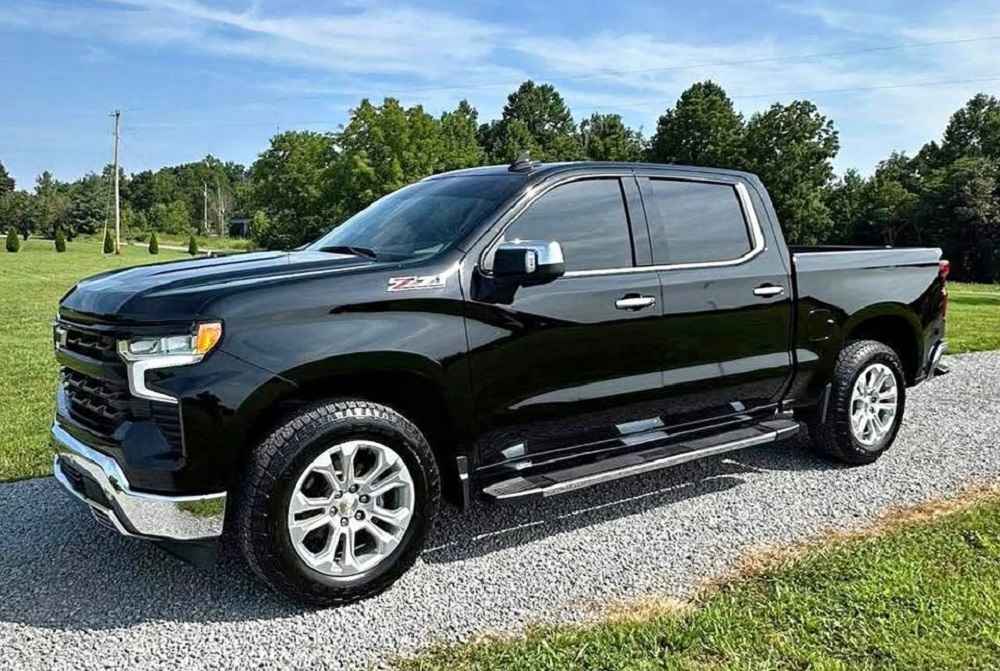
1. What the Max Trailering Package really changes under the truck
A Silverado already ships with the basics: hitch, wiring, and a locking rear diff. But the Max Trailering Package swaps in parts built for real strain, not weekend mulch runs. This is where “can tow” turns into “engineered to take a beating.”
Where NHT pulls away from the standard tow gear
NHT upgrades the rear axle to a 9.76-inch unit, replacing the lighter-duty 8.625 or 9.5 options. That one swap unlocks higher torque tolerance and raises the rear GAWR. The suspension gets stiffer springs and retuned shocks, while cooling steps up with bigger hardware.
An integrated trailer brake controller ties into the truck’s stability system, so braking stays proportional under load. Axle gearing favors grunt: 3.42 for most V8 builds, 3.73 on the 3.0 Duramax to hold power down low where it counts.
How NHT turned from minor bump to real tow enabler
Before 2019, NHT was mostly about squeezing out a bit more payload. But once the T1 redesign hit, the package took on real weight, literally. NHT became the gatekeeper to higher GCWR figures, pushing trucks into the 13,300 lb tow class.
It wasn’t just about what the truck could carry; it was about whether the whole system could stay cool and composed under max strain.
GCWR is the real ceiling, and NHT lifts it
The 6.2L V8 with NHT can hit a GCWR of 19,100 lb. That number defines everything; tow rating, payload buffer, and whether GM can legally slap a high-capacity sticker on the door.
The heavy axle, stiffened rear suspension, and upgraded cooling are what let the truck hold that weight without fading, sagging, or cooking fluids in the process.
2. The hardware that separates NHT trucks when the load gets heavy
When the trailer gets serious, weak links show up fast. The Max Trailering Package hardens key components, axle, suspension, cooling, so the Silverado doesn’t fold once it’s pulling deep into GCWR.
The 9.76-inch axle that anchors the whole pull
This axle is the core of NHT. Its beefier ring gear absorbs more torque, and its upgraded GAWR supports tongue weights north of 1,000 lb. Gas trucks usually get a 3.42 ratio for solid highway manners, while the 3.0 Duramax runs 3.73 for low-end punch on climbs.
The locking diff stays in place, pushing both rear wheels when traction breaks down, whether that’s a slick boat ramp or a muddy shoulder with a loaded trailer behind you.
Cooling upgrades that fight heat where it starts
Towing doesn’t just strain the drivetrain, it heats every system. NHT trucks get a larger radiator and higher-capacity trans cooler. On V8s, active grille shutters are deleted to keep airflow high, and an extra lower-fascia cutout feeds air straight to the cooling stack.
Duramax builds already pack serious cooling hardware and keep their shutters, relying on efficient charge-air routing to handle the heat.
Suspension tuning that keeps the truck flat under tongue load
Rear springs stiffen up, and shock valving gets tighter. The result? Less squat when the trailer’s tongue weight lands. Headlights stay aimed instead of blinding oncoming traffic, and steering stays tighter because the front axle keeps its bite.
Unloaded, the truck rides a little firmer, but not anywhere near HD stiffness. It still drives like a half-ton until you ask it to act like a three-quarter.
What NHT physically swaps in
| Component | Standard 1500 | NHT Package | What the change delivers |
|---|---|---|---|
| Rear axle | 8.625 or 9.5 | 9.76 | Higher torque capacity and rear GAWR |
| Axle ratio | Common 3.23 | 3.42 (V8), 3.73 (Duramax) | Stronger pull at low and mid speeds |
| Cooling | Standard radiator | Enhanced radiator + larger openings | Lower temps under high GCWR |
| Suspension | Regular springs/shocks | Heavy springs + trailering shock tune | Less sag and steadier steering |
| Brake control | Optional | Integrated controller | Cleaner, proportional trailer braking |
3. How NHT changes the numbers that actually matter
Once NHT hits the build sheet, the Silverado steps into a different weight class. Tow charts shift. Payload stickers change. The kind of trailer you can legally pull starts crowding into 2500 territory, even though the badge still says half-ton.
What happens to tow ratings with NHT in place
Take a 6.2L Silverado 1500 Crew Cab 4×4. Without NHT, it’s rated to tow around 11,800–11,900 lb. Tick the NHT box and spec 20-inch wheels, and the rating jumps to 13,100–13,300 lb.
That’s a 1,300–1,400 lb leap without changing the engine or frame. It’s the jump that lets owners move from light equipment trailers to full-size travel trailers, without crossing the legal line.
The 5.3L V8 tells a different story. Even with NHT, ratings top out near 11,300 lb. The hardware is there, but cooling and output cap the GCWR before the structure does.
The 3.0 Duramax sees the biggest swing. Base ratings start around 9,500 lb but climb past 13,000 in the right NHT configuration with 3.73 gears and 20s.
Why payload is the real gatekeeper for tongue weight
The under-the-radar win with NHT is payload. The heavier axle and stiffer springs push GVWR high enough to unlock 2,000–2,300 lb payload stickers on many builds.
Without it, most trucks hover around 1,700 lb, barely enough for serious trailer tongue weight once passengers and cargo are in the mix.
Pulling a 9,500 lb trailer means carrying 1,100–1,300 lb on the hitch. Add people and gear, and a non-NHT half-ton runs out of room even if the tow rating looks fine.
NHT shifts the limits so that same load actually fits inside the sticker. For owners tracking scale tickets, that extra 300–500 lb in payload matters more than the top-line tow number.
Why 20-inch wheels are more than a cosmetic choice
Chevy ties its top tow ratings to 20-inch wheels with higher load index tires. An 18-inch factory setup might only be a few steps down on paper, but the combined rear axle load rating can drop by hundreds of pounds.
That extra capacity isn’t just for looks, it’s how the truck hits 19,100 lb GCWR without cooking tires. The right axle ratio, NHT hardware, and 20-inch load-rated tires form the full combo.
A truck with NHT and smaller wheels still benefits from the stronger cooling and suspension, but won’t see the full tow rating unless all the pieces are in place.
Sample Silverado 1500 Crew Cab 4×4 builds and ratings
| Engine | NHT package | Wheels | Max conventional tow (approx.) | Typical payload band (approx.) |
|---|---|---|---|---|
| 6.2 V8 | No | 18″ | 11,800–11,900 lb | 1,700–1,900 lb |
| 6.2 V8 | Yes | 20″ | 13,100–13,300 lb | 2,000–2,300 lb |
| 3.0 Duramax I6 | Yes | 20″ | Up to 13,300 lb (select configs) | Around 2,000 lb |
4. Ordering rules that make or break the real max tow setup
NHT doesn’t bolt onto just any Silverado. Chevy only approves it on builds that can take the load, engine, cab, bed length, wheels, even trim level. Miss a piece, and the numbers fall off fast.
Engines that unlock the full NHT rating
The 6.2L V8 is the workhorse for the full 13,300 lb rating. With 420 hp and 460 lb-ft, it handles a 19,100 lb GCWR without flinching, so every part of the NHT package pulls its weight.
The 5.3L accepts NHT but maxes out around 11,300 lb. Cooling and output hit the ceiling before the structure gives in. The 3.0 Duramax starts low but gains the most. In the right build, NHT, 3.73 axle, and proper wheel setup, it climbs into the same 13,300 lb range as the 6.2L.
Cab and trim combos that pass Chevy’s checklist
NHT usually shows up on Double Cab and Crew Cab 4x4s in mid- and high-tier trims like RST, LTZ, and High Country. Short beds, base trims, or certain appearance packages can block it, even if the truck has a hitch bolted on.
Two trucks might look identical on the lot, but tow very different numbers. The payload door sticker, axle label, and VIN-based tow chart are the only way to confirm what’s really under the sheet metal.
Brake tuning and software that backs up the hardware
NHT trucks don’t just get a trailer brake controller, they get one that’s wired into ABS and stability control. That means the truck manages brake force across both vehicles together. Tow/Haul mode, grade braking, and shift logic are also validated with the package’s axle, cooling, and gearing in place.
Slapping a controller into a non-NHT truck won’t upgrade the springs or raise the GCWR. You get trailer braking, but not the structure that supports a certified Max Trailering load.
5. How Chevy’s trailering tech becomes sharper with NHT onboard
Once the heavy-duty gear is installed, the tech stops feeling like a demo and starts pulling real weight. With NHT under the frame, digital tools finally sync with the truck’s physical limits, reading trailer loads more precisely, adapting to shifts, and restoring sightlines when the camper swallows your mirrors.
A trailering app that keeps every trailer dialed in
Chevy’s Trailering App logs each trailer’s length, weight, and light-check settings. That info drives blind-zone alerts and stability logic, so the truck reacts to what’s actually behind it, not a generic guess.
From brake gain presets to maintenance reminders, it keeps all trailer profiles on one screen, which cuts setup errors when you’re swapping haulers through the season.
Camera views that make blind spots vanish
NHT builds unlock up to 14 camera views. Hitch View and guidance lines line up the ball clean. Side views track trailer wheels in tight turns so you can avoid curbs, signs, and poles.
With the rear trailer camera accessory added, the “transparent trailer” mode blends it all, clearing your view for safer merges and confident backing, even with 30 feet behind you.
Super Cruise that leans on hardware to stay in control
Super Cruise with a trailer demands balance. It only engages when the truck runs cool, tracks straight, and holds its line, three things the NHT package was built to protect.
The stiffer suspension, big axle, and high-capacity cooling give the system what it needs to keep lane control steady, even when a tall camper’s catching wind at 65 mph.
6. Max Trailering on Tahoe and Suburban when seats and tongue weight clash
Tahoe and Suburban drivers aren’t just pulling weight, they’re hauling people and gear too. Their Max Trailering setup isn’t built to chase truck numbers but to keep the SUV planted when the cabin’s full and the hitch is loaded.
SUV upgrades that do more than just boost the chart
The package brings a stiffer hitch platform, lower axle ratio, and upgraded cooling to hold pace on long climbs with a packed cabin.
Trailer brake control is wired into ABS and stability, smoothing out stops even when the trailer presses hard. It tops out under 8,400 lb, but that weight feels controlled, not sketchy, when the system’s working right.
Low-range gearing that earns its keep at the ramp
Four-wheel-drive versions pick up a two-speed transfer case with low range. That’s a clutch move for slick boat ramps, sloped campsites, and tight turns with a full trailer.
It puts torque to the ground slowly, without heat or hop, and helps counter the long rear overhang and taller ride height these SUVs carry.
Where the SUV caps out, and the NHT truck takes over
Even with Max Trailering, Tahoe and Suburban lose payload to the extra rows of seats and body mass. Tongue weight eats into their margin fast once everyone climbs aboard. A Silverado 1500 with NHT typically posts 2,000–2,300 lb of payload, room most SUVs just don’t have once loaded.
SUV Max Trailering makes sense for families towing 6,000–8,000 lb. If you’re running 9,000–13,000 lb on the regular, it’s time for a Silverado NHT. Go any higher, and the 2500 HD is waiting.
7. Choosing between a 1500 NHT and a 2500 HD when real weight shows up
Pulling five tons on a half-ton frame means using the right truck for the job. A Silverado 1500 with NHT handles serious loads without wrecking comfort, but if you’re hauling heavy every week, the 2500 HD brings tools the 1500 just doesn’t have. Picking the right one protects your drivetrain and your wallet.
When a 1500 NHT pulls smart, not soft
For drivers towing 9,000–12,000 lb a few times a month, the 1500 NHT hits the sweet spot. It stiffens the axle and suspension just enough to stay planted under strain, without harming fuel economy or daily performance.
Parking’s still easy, the ride stays civil, and you’re not grinding the truck into early failure. Built right, it pulls hard while staying inside its limits.
When the job needs an HD from the start
Step up to a 2500 HD and you’re getting real towing hardware, bigger brakes, stronger frame, and cooling that’s tuned for 20,000 lb loads.
It’s the right call for anyone pulling 10,000–13,000 lb often, especially on long trips or with tall trailers that catch wind. Fifth-wheel and gooseneck duty also demand the stouter bed and chassis that only the HD brings.
How longevity and resale tilt the scale
Run a half-ton at its max for years and it shows, transmission temps rise, springs sag, and the rear end wears faster. The 2500 hauls that same load at 60% of its limit, which means fewer repairs and longer part life.
Even in resale, buyers will pay more for an NHT truck with a documented tow history than a standard 1500 that’s been pushed hard without the right gear.
8. Buyer moves that make NHT a real advantage, not just a checkbox
Get the right NHT build, and your payload sticker lines up with the trailer you’re actually pulling. Miss the combo, and you’ll hit your limits before leaving the driveway, especially when the camper gets upgraded two seasons in.
Let your trailer pick the right build, not guesswork
Don’t ballpark weight. A loaded 26-foot camper or big boat usually tips the scales at 8,000–10,000 lb. That’s squarely in NHT territory, and it lines up best with a 6.2L or 3.0 Duramax build rated near 13,000 lb. That way, you’re towing in the middle of the chart, not flirting with the top line.
If you’re sitting at 7,000 lb today but know a bigger rig’s coming, spec for what’s next. A 2,000–2,300 lb payload rating gives you room for a 1,200 lb tongue load, passengers, and gear, without blowing the sticker. Buyers who spec for real-world weight end up with trucks that feel steady, not maxed out.
How to spot a real NHT build without guessing
Forget badges and tow mirrors, paperwork tells the truth. Look for NHT on the RPO list or build sheet. The door-jamb payload label should land in the 2,000–2,300 lb range on properly built 6.2 trucks. If it says 1,700-something, it’s not max-tow.
Then check the axle code, ratio, and wheels. The right build shows a 9.76-inch rear, 3.42 or 3.73 gearing, and 20-inch wheels. Two Silverados can look identical, but only one will carry a certified 13,000-plus lb rating in GM’s official tow guide.
When NHT pays off in dollars and downtime
Most dealers price NHT around $800–$1,000. That’s a cheap trade for the cost of a cooked transmission or a burned-up axle. If you tow 8,000–13,000 lb even semi-regularly, NHT isn’t a luxury, it’s insurance built into the frame.
If you’re only pulling a lawn trailer or an open toy hauler, NHT won’t change your day. But if you’re buying a 1500 to sit near the top of the tow chart, this option’s not cosmetic. It’s mandatory.
Where the Max Trailering Package lands when the load gets real
A Silverado with NHT feels different the second real weight hits the hitch. The bigger axle, stiffer springs, and upgraded cooling don’t just look good on paper, they keep the truck planted while softer half-tons start to float, fade, or run hot.
Even with 1,200 lb on the tongue and a full cab, the payload still holds up. And the tow rating finally lines up with what owners actually pull, not just what the marketing says.
For drivers hauling campers, car haulers, or heavy boats in the 8,000–13,000 lb range, NHT locks in the margin that keeps things safe.
Stability holds on long grades, cooling stays in check, and braking stays tight because the controller and chassis were engineered to work as a team. The ones who skip NHT usually find out later the hard way, the hitch isn’t the limit, the door sticker is.
NHT doesn’t turn a 1500 into a 2500, but it does turn a light-duty truck into a real tow rig that won’t flinch when the trailer gets heavy. And for anyone towing near the deep end of half-ton capacity, that edge is worth every dollar.
Sources & References
- 2025 chevy tow & trailer package overview with price & features – Schumacher Chevrolet of Little Falls
- CH-CAT-GEN-TRBRND020_2025 Chevrolet Trailering Guide.indd
- 2024 Chevy Silverado 1500 Towing Capacity – Rick Hendrick Chevrolet Buick GMC Richmond
- 2025 Silverado 1500 Max Trailering1 – Chevrolet
- What Is the Chevy Max Trailering Package? – Phelps Chevrolet
- Max Towing : r/Silverado – Reddit
- 2024 SILVERADO 1500 MAX TRAILERING1 – Chevrolet
- Why Silverado/Sierra Buyers Should Consider Adding Max Trailering Package
- 2025 Chevy Silverado 1500 Vs. 2500: Towing & Specs Compared – Bravo Chevrolet
- 2025 Chevrolet Silverado 1500 Review | Engine & Tow Specs
- 2023 Chevy Trailering Guide
- 2019 Chevy Silverado Towing Capacity Explained With Chart – Nimnicht Chevrolet
- What is the Chevy Max Trailering Package? – Beaver Chevrolet
- 2025 Chevy Silverado 1500 Towing Capacity | Weber Chevrolet Columbia
- Understanding the Payload Difference Between 1500 and 2500 Trucks: A Comprehensive Guide – Mid-State Chevrolet
- 2025 Chevy Silverado 1500 Towing Capacity – Bravo Chevrolet
- Chevrolet Advanced Trailering System and Tow/Haul mode
- Advanced Trailering Features on GM Trucks – Karl Chevrolet
- 2025 Tahoe Towing Capacity – Christopher Chevrolet
- 2025 Chevrolet Tahoe Engine & Tow Specs | Fort Wayne, IN