
The Ranger comes off quick and tight behind the wheel. But reports of coolant in the cylinders, rough shifts from the 10-speed, and rust creeping into the frame start peeling the shine fast.
Early J.D. Power scores look solid, but once the miles pile up, the Ranger drifts down to an 8.0; just under the segment’s 8.1 average. The same issues keep surfacing: head gaskets letting go on the 2.3L EcoBoost, hard part failures in the 10R80, and underbody rust in salty states.
This guide goes straight at the weak spots, what breaks, what holds, and how the Ranger compares when durability’s the whole point.
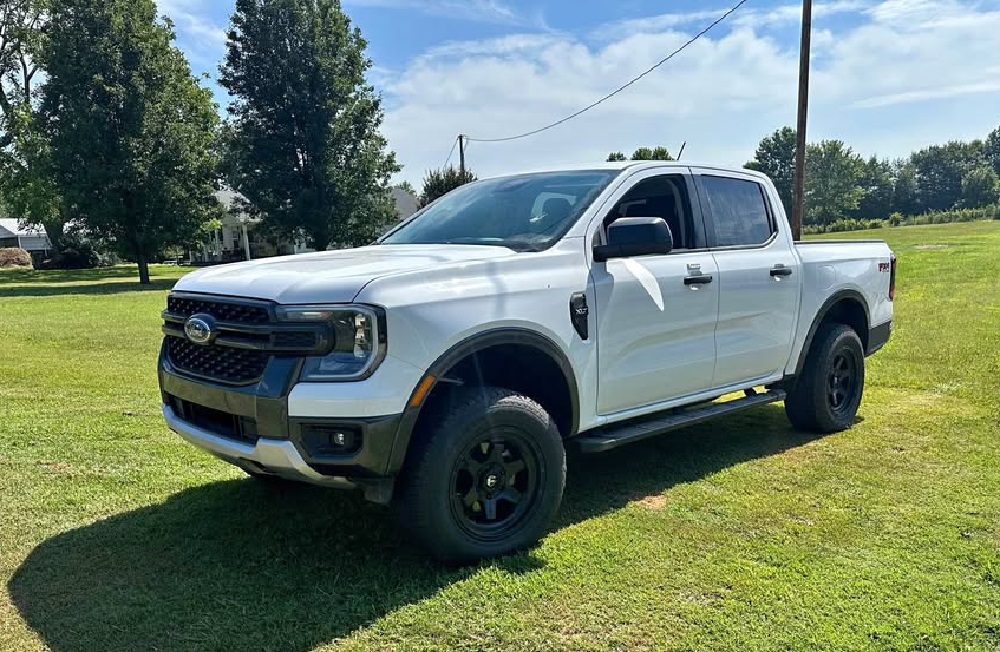
1. How the Ranger’s real reliability picture comes into focus
Early scores give the Ranger a clean runway
The 2019 Ranger came out of the gate strong with an 84/100 in J.D. Power’s Quality & Reliability score. By 2023, that number rose to 87/100, showing Ford tightened its process as the platform aged.
Shops reporting to RepairPal tell a similar story, light trouble in the first 40,000 to 60,000 miles. Most early visits revolve around sensors, battery hiccups, or buggy infotainment. Major drivetrain repairs? Rare this early.
Long-haul data shows where the hits land
iSeeCars gives the Ranger an 8.0/10 for long-term durability; just a tick under the segment’s 8.1 average. But that small dip matters. Their scoring leans on high-mileage results, not early praise.
Trucks that clear 200,000 miles without powertrain surgery float to the top. Tacoma and Ridgeline do that more often. Ranger and Colorado don’t.
The Ranger’s drop starts right after 5 years or 60,000 miles; when warranty coverage runs out. Coolant intrusion on the 2.3L is rare but brutal. The 10R80 brings valve body issues and CDF drum wear, mostly between 70,000 and 120,000 miles.
Rust piles on in snowy states. Thin coatings, exposed seams, and open rails collect salt where you can’t see it, until the frame’s already flaking.
How the Ranger truly compares to Tacoma, Ridgeline, and Colorado
The Tacoma sits at the top of the food chain with an 8.5/10 durability score and 9.4 for value retention. Its old-school V6s and 20-year reliability rep keep it there.
Ridgeline lands at 8.1, thanks to a V6 that cruises past 150,000 miles without drama. Ranger and Colorado stay tied at 8.0, part of the modern turbo crowd that performs strong early but fades faster once the mileage hits hard.
J.D. Power tells the flip side: Ranger’s 83/100 beats Tacoma’s 80 and Ridgeline’s 81, proving it starts clean before long-term faults drag it down. Value retention stays solid at 8.8, keeping the Ranger competitive in resale, even if longevity isn’t leading the pack.
Where the midsize rankings land after the dust settles
| Truck | iSeeCars (10 max) | Latest J.D. Power | Value Retention |
|---|---|---|---|
| Tacoma | 8.5 | 80 | 9.4 |
| Ranger | 8.0 | 83 | 8.8 |
| Ridgeline | 8.1 | 81 | N/A |
| Colorado | 8.0 | N/A | 8.3 |
2. Engine reliability where the 2.3 EcoBoost shows its limits
Strong output that runs hot and wears quick
The 2.3L EcoBoost punches above its weight, but that power comes at a cost. High boost loads the block and head, cooking oil on long climbs and hard throttle. Turbo heat, tight tolerances, and lean tuning push wear into bearings, rings, and timing parts faster than V6 competitors with more breathing room.
Direct injection doesn’t help. It lays carbon on the intake valves, slowly choking airflow. Cold starts get rough, and throttle response dulls once buildup hits the 60,000 to 100,000 mile mark. Walnut blasting clears it, but most owners skip it, and lose power and mileage as a result.
Coolant intrusion, the silent issue in this engine line
Coolant intrusion is the EcoBoost’s worst-case failure. When the head gasket lets go, coolant seeps into the combustion chamber. It flashes to steam, damages the oil film, and spikes pressure. Oil turns milky. Misfires start. Temps climb fast. By the time the head warps, you’re not fixing it; you’re replacing it.
Multiple lawsuits point to fire risk and sudden stalls tied to this failure path on other EcoBoost platforms. The Ranger version hasn’t escaped that risk. Failures stay rare early but climb sharply once trucks age out of warranty. That’s exactly where long-term reliability scores start to slide.
Carbon, turbo strain, and spark parts that wear early
Carbon buildup’s just the start. The turbo sees hot-cold cycles daily, and long oil-change intervals don’t help. Bearings wear, especially in trucks worked hard or used for short, stop-and-go drives. Wastegates can stick or flutter as mileage rises, not a common failure, but not cheap either.
Then there’s ignition. High boost jacks up cylinder pressure, so spark plugs and coils wear faster than in naturally aspirated V6s. Light-throttle misfires often trace back to widened plug gaps or coils breaking down under load.
The 2.3L EcoBoost hits hard early on, but most parts run near redline even in normal use. That strain eventually catches up, which is why the engine’s long-game reputation still lags behind the segment’s strongest.
3. Transmission reliability where the 10R80 shows its weak spots
Shifts that get rough once the gearbox heats up
The 10R80 feels fine cold, but once the fluid warms up, its quirks show. The 1–2 shift hits harder than it should. The 2–3 shift drags. Light throttle brings a shudder as the converter slips trying to hold lock. Some trucks stall for a second before grabbing Drive or Reverse, classic signs the clutches aren’t timing cleanly.
And this isn’t from towing abuse. These issues show up in commuter trucks with clean histories. Get into rolling throttle and the hunting starts. It jumps between gears instead of holding one. Most test drives won’t show it. Daily traffic will.
TSB 24-2046 spells out the weak links
Ford’s TSB 24-2046 covers 2019–2023 models and breaks it down into three issues.
First, the solenoid strategy misreads how the solenoids behave, which throws shift timing off. A reflash straightens out the software, but doesn’t touch the hardware failures beneath it.
Second, varnish and debris slow the valves in the valve body. When those drag, clutches grab late, and the shifts get harsh. Fixing that means a full valve body overhaul.
Third, and this is the big one, the CDF clutch cylinder sleeve walks out of place. That shift in position distorts pressure inside the drum. You get the sharp 1–2 and the sloppy 2–3 owners complain about. Nothing short of a drum replacement fixes it for good.
Updated drums, shorter intervals, and why build date matters
Ford updated the CDF drum in August 2022. Trucks built after that point hold gears better and avoid the harsh shift complaints. Check the build date on the driver-side door jamb. Anything older? You’ll want proof the TSB work was done.
Then there’s fluid. Ford says it lasts longer, but it doesn’t. Once the fluid breaks down, the converter clutch glazes, and that familiar low-speed shudder kicks in. Servicing at 50,000 miles keeps that wear from building up, especially on trucks run hot or short-tripped.
Post-update trucks hold the cleanest odds. Earlier builds need paperwork and tight service intervals to stay smooth.
4. Chassis, frame, and axle durability where the Ranger shows long-mile weakness
Rust that kicks in early and spreads fast
The Ranger leaves the factory with a weak undercoating that barely stands up to winter roads. Weld seams and brackets start rusting in the first year in snowbelt states. Open frame rails collect salt and mud, then hold it where no hand or hose can reach. By the time you spot it, the damage is already inside.
Owners on Ranger6G have posted rust on axles, leaf-spring mounts, and driveshafts, some with under 10,000 miles. Gravel roads and washboard surfaces make it worse. Vibration pulls more debris into the rails and kicks off internal pitting. A few years later, it shows up as soft flanges and bubbling seams.
Rear axles that wear out before the heavy hauling starts
The rear diff starts making noise well before it should. One owner logged a full failure at 35,700 miles, no towing, no abuse. Common signs include a high-pitched whine while cruising and a deep growl under throttle.
Once the pinion bearings go, gear faces start to wear, and heat builds fast. At that point, a rebuild usually doesn’t hold; full replacement is the safer fix.
Others reported pinion noise by 80,000 miles, with warranty replacements backing up the trend. That points to either a sizing problem or early quality control gaps.
On paper, the Ranger can tow 7,500 lb. In practice, the axle’s long-term durability doesn’t always back that number, even on trucks that barely hauled.
Electrical bugs and HVAC issues that drain owner confidence
The first batch of Rangers came with big recalls, like blower motors that could short and start a fire, or seat belt issues on 2019 SuperCabs. Those have been patched, but smaller electrical glitches still show up.
Some trucks reboot the infotainment mid-drive. Others freeze the screen until you turn off the ignition. Fuel gauges are another weak spot. The sender drops to empty with a half tank still onboard. Drivers either guess or rely on mileage. In some cases, it’s a stuck float. Others trace it to a flaky relay or wiring glitch.
None of these issues leave you stuck, but when stacked next to powertrain problems, they wear down trust. Especially for owners expecting a truck to go the long haul.
5. Total cost of ownership and when the bills start climbing
Early ownership stays cheap, but only on paper
The Ranger comes out ahead in the first five years, with average maintenance and repair costs landing around $3,443; about $800 below the segment average.
That lines up with its clean J.D. Power scores. Most trucks in this stretch run well through the 36,000-mile basic and 60,000-mile powertrain warranties. Early shop visits usually involve sensors, batteries, or light suspension, not the expensive stuff.
But those savings don’t tell the whole story. Scheduled maintenance and minor fixes don’t include the real price of head gaskets, transmission work, or axle replacements that start cropping up once the odometer rolls into six digits.
The curve bends upward starting around year six
Once the Ranger hits year six, CarEdge data shows repair costs rising fast. Maintenance climbs from $1,309 in year six to $1,910 by year twelve. The chance of a major repair jumps from 16.7% to 59.0% over that same stretch.
Those costs tie directly to the truck’s weak spots. The 2.3L head gasket tends to let go once enough heat cycles build. The 10R80’s clutch and drum failures land between 70,000–120,000 miles, and rear axle noise, electrical faults, and creeping frame rust add pressure in the back half of ownership.
Ranger Long-Term Ownership Curve
| Vehicle Age | Annual Maintenance | Major Repair Risk | Common Threats |
|---|---|---|---|
| Year 6 | $1,309 | 16.72% | Drivetrain wear, sensor faults |
| Year 7 | $1,407 | 20.68% | Aging sensors, small leaks |
| Year 8 | $1,518 | 23.66% | Transmission complaints rise |
| Year 9 | $1,580 | 27.31% | Cooling, axle wear |
| Year 10 | $1,639 | 31.63% | Major powertrain work appears |
| Year 11 | $1,751 | 47.45% | Engine/trans replacement risk |
| Year 12 | $1,910 | 59.02% | Corrosion + mechanical fatigue |
The 100k–150k range where real decisions get made
Rangers with tight maintenance habits can push well past 200,000 miles, but most of the big-ticket repairs land between 100,000–150,000 miles.
That’s the danger zone for transmission rebuilds, rear diff replacements, and engine work. Trucks that skipped fluid changes, rustproofing, or cooling-system upkeep hit this stretch with far less breathing room.
Shoppers eyeing a Ranger in this mileage band need receipts: transmission fluid, coolant checks, rear-end service, and underbody inspections. Any blanks in that history raise the odds of landing squarely in the failure patterns baked into the long-term data.
6. Model years and usage patterns that shift the Ranger’s reliability odds
Early builds with sharp edges and the hardware that cleaned them up
The 2019 Ranger carried all the first-run bugs, unfinished software, early 10R80 internals, and recalls for blower-motor fire risk and seat belt defects. They can be reliable if those problems were addressed early, but you’ll want proof.
2021–2022 models come in cleaner. Fewer electrical hiccups, more polished ride quality, but they still carry the same pre-update transmission parts.
August 2022 is the real dividing line. Ford upgraded the CDF drum, the main weak link in the 10R80. Late-2022 and 2023 trucks with the revised drum see far fewer transmission complaints. The 2024 redesign adds new hardware, but long-mile outcomes haven’t landed yet.
Workload and road conditions that wear the truck early
Rangers pulling near the 7,500-pound tow limit push the 2.3L and 10R80 hard. Oil shears faster, converter slip grows, and cooling components wear down early. Enclosed trailers and mountain climbs speed it up.
Heavy payloads stress the rear axle even without a trailer. Pinion bearings heat up and start to whine, a sound that shows up early in long-term owner reports. Rough roads shake the suspension, wear down bushings, and crack open the spots where frame rust usually starts.
Even city trucks take a hit. Short trips mean constant warmups and low-speed heat cycles. That builds carbon on intake valves and shortens oil life. It’s why even low-mile trucks can feel aged if they’ve been driven hard in stop-and-go traffic.
Trim levels that nudge reliability up, or down
XL and XLT trims keep things simple. Less electronic hardware, fewer modules, and lighter curb weights mean fewer headaches down the line. Less heat load on the drivetrain, too.
Lariat trims pack more tech and weight, heated everything, upgraded audio, more sensors. That extra load strains the rear axle and adds more failure points on the electrical side.
FX4 and Tremor packages bring real off-road gains, coolers, shocks, stronger bits, but they also introduce more wear points. Leaf springs, bushings, and dampers all take abuse faster, even if they handle it better up front.
The best bets? Late-build trucks with modest trim levels and clean service records. Those tend to age the smoothest.
7. Ranger vs competitors when long-haul reliability is the deciding factor
Tacoma’s slow-burn durability vs. the Ranger’s sharper edges
The Tacoma leads with a long-game score of 8.5/10 and value retention at 9.4. A time-tested V6, sturdy frame, and deep ownership track record push it there. It’s not failure-proof, but its issues show up predictably, and usually late.
The Ranger runs stronger, faster, and posts better early reliability. But long-term, it slips. The 2.3L EcoBoost and 10R80 bring higher-stakes repairs, and once frame rust joins the mix in salt states, the gap widens.
Buyers chasing a 15–20 year truck lean Tacoma. The Ranger suits those who want more punch and features but accept a steeper cost curve later on.
Colorado and Ranger, same risks, different badges
The Colorado matches the Ranger at 8.0/10 for durability. Its turbo-four and 8-speed face their own long-term complaints, heat, shudder, valve body faults. Neither truck pulls ahead once the mileage builds up.
Resale tilts Ford’s way. Colorado holds an 8.3, while the Ranger posts 8.8, keeping more of its value despite its late-mile exposure. When shopping used, the real tiebreaker becomes service history, not the badge.
Ridgeline’s steady record vs. the Ranger’s raw strength
The Ridgeline earns its 8.1/10 with a smooth V6, a simple drivetrain, and a unibody frame that dodges the rust traps baked into the Ranger’s design. It cruises past 150,000 miles with fewer mechanical surprises.
But it trades muscle for manners. The Ranger tows 7,500 lb, climbs tougher trails, and shrugs off rough work the Honda can’t touch. If you need frame strength, axle articulation, or a transfer case, the Ford delivers. But if a quiet, low-maintenance run to 200,000 miles is the goal, the Ridgeline’s the safer bet.
8. How to stack the odds in your favor when owning a Ranger
Cooling and fluid habits that extend engine and trans life
The 2.3L EcoBoost and 10R80 both benefit from one thing: heat control. Even a small coolant drop can hint at early head gasket breakdown, so owners who catch it early often avoid the major hits.
The transmission responds just as well to early intervention. Fresh fluid smooths rough shifts and slows wear in the converter and clutch packs.
Hot climates and stop-start use demand tighter intervals, every 50,000 miles keeps the 10R80 far more stable into middle age. The cleanest long-haulers show documented service on both systems.
Frame protection that holds off the rust
The Ranger’s open-frame design soaks up salt and holds it. Inside the rails, rust spreads quietly where you can’t see it. The fix is prevention, Fluid Film, Woolwax, and other lanolin sprays lock it out when applied early and refreshed each winter.
Owners in rust-prone states spray inside the rails, over the leaf mounts, crossmembers, and axle housings. Add underbody rinses after snow slush or gravel travel, and you cut corrosion before it finds a grip.
The cleanest frames on older Rangers all follow that routine: early coating, seasonal reapplication, and one hard look mid-winter.
Smart maintenance and key inspection points that define survivors
Shorter oil intervals protect the EcoBoost under load. Clean oil keeps ring seals tight and delays the heat wear that shows up on climbs and tow duty.
Transmission fluid at 50,000 miles keeps shifts clean and softens the converter drag that wears things down. Rear diffs run cooler and quieter when serviced before the whine starts.
Used buyers need to check three zones: coolant level, trans shift feel when hot, and diff noise at steady throttle. Then crawl under, look for scale in the frame rails and rust around spring brackets.
Trucks that pass those checks tend to run clean. The ones that don’t usually match the same expensive failure curve long-term owners know all too well.
Where the Ranger truly stands after the miles build up
The Ranger hits the market strong, tight drivetrain, quick power, and early reliability scores that outpace much of the class. But once the odometer climbs, the story changes.
Coolant leaks into cylinders. The 10R80 shifts rough as internal parts wear. And the frame rusts faster than it should unless owners step in early. That’s why the truck opens as a front-runner but settles into mid-pack territory long-term.
Owners who stay ahead of heat, fluid breakdown, and underbody corrosion usually run well past 100,000 miles without drama. But once those basics fall behind, the failures show up in familiar patterns, head gaskets, valve bodies, rear diffs, and flaking rails, the same issues echoed in long-term data and owner reports.
The Ranger still delivers sharp performance and holds resale value better than most. But real reliability? That depends on how well it’s maintained and how much protection it gets from the elements.
Sources & References
- 2023 Ford Ranger Reliability, Consumer Ratings & Pricing – J.D. Power
- 2019 Ford Ranger Reliability, Consumer Ratings & Pricing – J.D. Power
- Most Reliable Midsize Trucks for 2025 – iSeeCars.com
- 5 Ford 2.3 Ecoboost Problems & How to Fix Them – The Lemon Law Experts
- Consumer Class Action Lawsuit Against Ford
- TSB 24-2046.docx – Ranger6G
- TSB 24-2046 | PDF | Clutch | Motor Oil – Scribd
- Rust and corrosion | Ranger6G – 2024+ Ranger & Raptor Forum, News, Owners, Community (6th Gen)
- Ford Ranger Rusty Chassis Issue
- Comparing the 2024 Chevy Colorado vs. the Ford Ranger and Toyota Tacoma
- 2025 Ford Ranger Review, Pricing, and Specs – Car and Driver
- 2022 Ford Ranger Reliability, Consumer Ratings & Pricing – J.D. Power
- 2019 Ford Ranger Review & Ratings | Edmunds
- Ford Ranger Buying Guide: Cost, Reliability, and the Best Years to Buy – CarGurus
- Ford Says the U.S. Ford Ranger Is MUCH Different to the Global Ranger – But Is This True?
- How to Diagnose Common Ford Ranger T6 Problems – Primia Parts
- How has reliability been 2.3L and 2.7L ecoboost engines? : r/Ford
- My 2019 Ford Ranger 2.0, 10 speed. A problematic nightmare story. : r/cars
- Ford 2.3L EcoBoost Problems & How to Fix Them [2025 Update] – Lemon Law Firm
- Common Faults With The Ford Ranger – Milner Off Road Ltd.
- Common Ford Ranger problems and how to fix them – Unsealed 4X4
- Any long term/high milage reviews of the 2020 ranger : r/fordranger
- Ford Ranger Parts & Accessories Aftermarket Catalog – CarParts.com
- Ranger Reliability | Ranger6G
- Think the 10 speeds are fixed yet? | Ranger6G – 2024+ Ranger …
- Ford 10R80 Transmission • Problems, Solutions & Upgrades – Next Gen Drivetrain
- The Most Common Problems With Ford’s 10-Speed Transmission – SlashGear
- Last Gen. Ranger vs. Colorado vs. Tacoma, Why Did You Pick the Ranger? – Reddit
- Frame rot is still destroying vehicles in 2025 – but here’s the truth – YouTube
- Ford Ranger Lifespan, Mileage & Maintenance Tips
- Rear Differential Failure | 2019+ Ford Ranger and Raptor Forum (5th Generation)
- 2021 XLT at 100,000 miles. Stats, usage, and Pros/Cons : r/fordranger
- 2019 Ford Ranger Recalls | Cars.com
- 2019 ranger lariat Fuel sensor has gone out. It shows i have no gas all the time. Is this a easy fix?
- Fuel Guage incorrect display – Ranger6G
- Ford Ranger Maintenance Schedule and Costs – CarEdge
- How Long Do Ford Rangers Last? The Scoop on Vehicle Lifespan – CoPilot