
Climb a slick grade, lift a rear tire, and a plain 4×4 dumps all its torque into thin air. Hit that same line in a Z71 and the locker snaps shut; both tires claw in, and the truck drags itself out instead of spinning out. That one moment says it all.
A lot of trucks wear off-road badges. Few back it up with hardware that actually works when the trail gets rough. Z71 hits that middle ground, real traction, real protection, without going full ZR2.
This guide shows what Z71 actually includes, what it changes on the trail, and when it’s worth picking over the base setup.
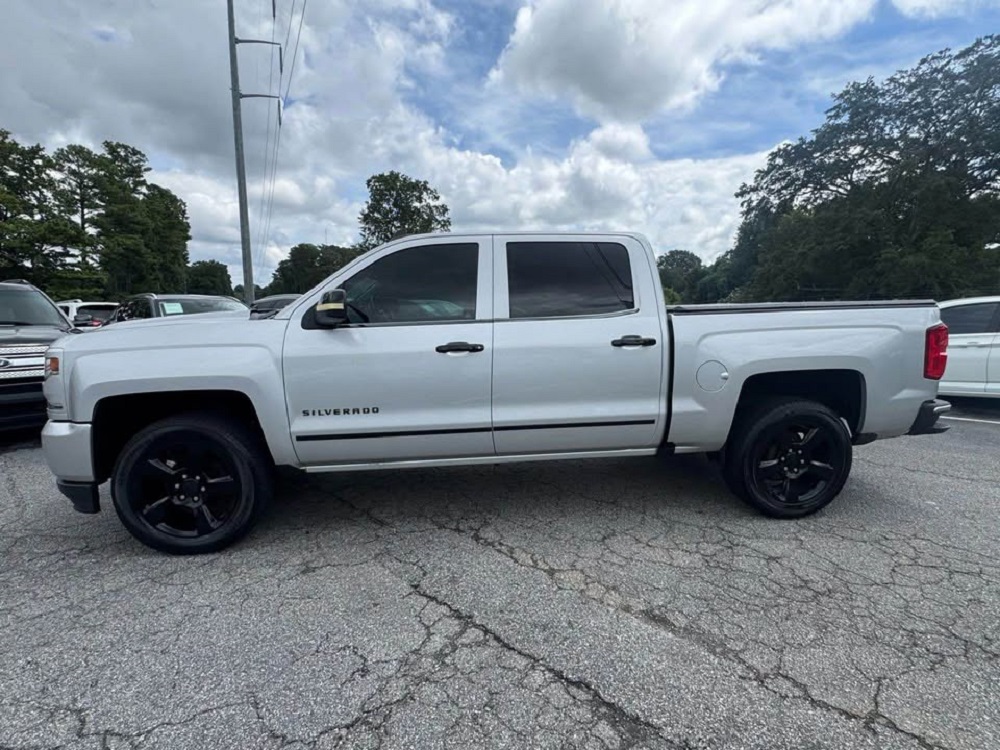
1. Why Z71 pulls ahead of plain 4×4
The RPO code that built a reputation
Z71 started as a quiet order code in the late ’80s, just a tougher suspension and some basic skid plates on K1500s. But the trucks held up. Word spread. GM leaned in, gave it a name, and stuck the badge on the fender. Ever since, Z71 has meant a truck built to take hits, not just look the part.
The traction difference that matters
A base 4×4 runs open diffs. Once a tire hangs or hits ice, all the torque dumps into that spinning side. You’re stuck. Z71 fights that failure head-on.
It adds a proper Autotrac transfer case with low range, essential for slow climbs, tight trailer turns, or deep snow. Then comes the Eaton G80 locker.
When one rear tire outruns the other, it locks both axles together and forces traction to the ground. No buttons, no delay. Just raw grip. The rest, skid plates, recovery hooks, Hill Descent Control, A/T tires, keeps the drivetrain alive when things get ugly.
Where Z71 fits and what it guarantees
You’ll find Z71 on Silverado 1500, Colorado, Tahoe, Suburban, and some HD builds. It stacks onto mid-level trims like LT or RST, giving buyers a mix of comfort and off-road guts. It’s not Trail Boss or ZR2; they bring lifts and extra tuning, but it’s the step that makes a truck trail-ready without excess.
A real Z71 always includes the G80 locker, Autotrac case, Rancho shocks, skid plates, recovery points, high-capacity air filter, and A/T tires. If any of that’s missing, it’s not a Z71, badge or not.
2. The hardware that gives Z71 its bite
The drivetrain pieces that keep it moving
Autotrac’s low range gives the truck a true crawl gear, needed for loaded hill starts or tight trails with trailers. It multiplies torque, slows everything down, and keeps the driveline calm under stress.
The Eaton G80 locker steps in when one rear wheel slips. Flyweights inside the diff react to the speed gap. If one shaft outruns the other, the cam ramps in and locks both axles together.
The rear tires now turn as one until traction returns. It works without driver input, and it works fast; ideal for mud, sand, snow, and ruts. The compromise? It locks after slip starts, so it’s not as precise as selectable lockers in ZR2 or Trail Boss.
The shocks that hold the body steady
Most Z71 builds run Rancho monotubes. These use a high-pressure gas charge and a floating piston to keep oil and gas separated. The benefit? Damping stays sharp even when the shocks heat up over long, rough trails.
That control comes with a price, pavement ride gets firmer. Expansion joints and potholes punch through more than on a soft twin-tube setup. But it’s worth it. The truck stays flat in wind, planted with tongue weight, and stable when a loaded bed shifts around.
The protection that lets you keep driving
Skid plates guard the oil pan and transfer case, low-slung parts that take the first hit when you bottom out. Without that armor, a sharp rock can end a trip.
Tow hooks bolt into the frame rails and give the truck solid anchor points when it’s time to pull it out. The high-capacity air cleaner filters out fine dust, essential for anyone running forest roads or dry tracks where standard filters plug early.
A/T tires are the last piece. They dig harder than street rubber, shed mud faster, and hold steady on loose or wet surfaces. They hum at highway speed and trim a bit of MPG, but for off-road use, they earn their keep.
Z71’s core hardware at a glance
| Component group | Z71 hardware | Real-world effect |
|---|---|---|
| Drivetrain | Eaton G80 automatic locker | Restores traction when a rear wheel loses grip |
| Transfer case | Autotrac 2-speed with low range | Delivers torque control on climbs, snow, and heavy pulls |
| Suspension | Rancho monotube shocks | Keeps damping consistent over rough ground |
| Protection | Skid plates, frame-mounted hooks | Shields vital parts, enables recovery pulls |
| Durability | High-capacity air cleaner | Keeps dust out of the intake on long off-pavement runs |
| Tires | All-terrain rubber | Adds traction on loose, wet, and uneven surfaces |
3. How Z71 changes the way the truck behaves
Grip that kicks in before you bog down
Drop a tire into mud or hang one off a ledge, and the G80 locker snaps both rears together before the truck starts digging holes. That mechanical lock gives the chassis a clean shove, no spinning, no flashing dash lights, just traction.
The monotube shocks hold their line when the trail turns nasty. Ruts, washboard, and fast hits don’t boil them, so the suspension keeps working instead of fading out after a few miles. No hop, no drift, just steady forward push.
Skid plates handle the hits under the nose and transfer case. On tight two-tracks, there’s no time to steer around everything. With real protection, you pick a line and drive it, without worrying about cracking something soft underneath.
On-road feel gets firmer, more planted
The stiffer damping keeps the truck from floating when crosswinds hit or when the bed’s loaded. It corners flatter, rides straighter, and stays calmer with a trailer on the hitch. That control shows up most at highway speed or on winding two-lanes.
Downside? The sharper ride. Potholes and bridge joints come through harder than they would with a soft twin-tube setup. And the A/T tires hum more at speed and trim a bit of fuel economy, but they claw harder through slush and wet dirt, which is the whole point.
Impact on Towing and Payload Capacity
While Z71 doesn’t touch the core drivetrain or frame, it does reduce rated capacity in some builds. The added weight of skid plates, shocks, and off-road gear eats into payload, since it’s based on curb weight vs. GVWR.
Towing can also drop, because factory A/T tires are usually the limiting factor, with some builds losing up to 2,000 lb compared to identical trucks on highway tread. These aren’t mechanical limits, but they do show up on the door sticker and affect what you’re legally cleared to haul.
4. Where Z71 lands on Chevy’s off-road ladder
The real upgrade over base 4×4
A standard 4×4 with open diffs handles snow, gravel, and wet roads just fine. But once the surface turns uneven or greasy, torque dumps through the path of least resistance, and the truck stops moving. Z71 patches that flaw.
It brings traction control that works without delay, firmer shocks that stay alive off-road, and armor that actually protects something. If your work or weekend takes you into soft ground, washouts, or rutted sites, Z71 earns its spot. If not? Good tires may be the better spend.
How it stacks up against Trail Boss
Trail Boss starts with Z71 guts, then adds a ~2-inch lift and all-terrain trim. That lift helps with approach and breakover, but it raises the center of gravity, trims payload slightly, and locks you into fewer cabin and trim options.
Z71 stays at stock height, keeps more of the truck’s hauling strength, and lets you pair off-road gear with high-end interiors. One leans toward stance and clearance, the other toward capability without giving up comfort.
Z71 vs Trail Boss vs ZR2 at a glance
| Feature | Z71 | Trail Boss | ZR2 |
|---|---|---|---|
| Suspension | Rancho monotubes | Rancho + ~2 in lift | DSSV spool-valve dampers |
| Front diff | Open | Open | Selectable locker |
| Rear diff | G80 auto locker | G80 auto locker | Selectable locker |
| Ride height | Stock | Raised | Highest + wider track |
| Mission | Traction + durability | Clearance + stance | High-speed + technical off-road |
When ZR2 is worth the leap
ZR2 ditches the monotubes for Multimatic DSSV dampers that stay planted through high-speed hits and big drop-ins. It brings front and rear selectable lockers, a chopped bumper for clearance, knobby tires, and angles meant for crawling or desert pace.
It’s the real deal, but it’s also excess for most. ZR2 makes sense for drivers chasing trails every weekend. Z71 fits better if you need reliable traction and protection without paying for tech you’ll rarely use.
5. How Z71 plays out across Chevy’s lineup
Silverado 1500 Z71 – built for rough jobs and daily grind
Silverado 1500 Z71 pairs with just about every major engine: 2.7L TurboMax, 5.3L, 6.2L V8, and the 3.0L Duramax. Towing doesn’t take a hit; properly set up, these trucks still pull north of 13,000 lb. Z71 slips in beneath the surface, adding traction and protection without cutting the core ratings.
It fits best on LT and RST trims, where buyers can keep comfort options while stacking in off-road gear that actually pays off on muddy sites, washboard roads, or slick ramps.
Colorado Z71 – tight, nimble, and trail-ready
Colorado Z71 runs a standard 2.7L TurboMax and maxes out around 7,700 lb of towing. What it gives up in raw numbers, it wins back in maneuverability. The narrow body and shorter wheelbase make it easier to thread through trees, climb tight switchbacks, or cross overlanding trails that’d chew up a full-size.
With the same core Z71 gear, locker, monotubes, skid plates, A/T tires, the midsize platform feels sharp and responsive. For drivers who wheel more than they haul, this is the more agile tool.
Tahoe & Suburban Z71 – full-size SUVs that don’t fold off pavement
Z71 trims on Tahoe and Suburban bring a reshaped front bumper for better clearance, then bolt on all the expected gear: A/T tires, Rancho shocks, underbody plates, and the locker.
They don’t just look rugged; towing stays strong (often 8,000+ lb), and these trucks hold their own on snowy driveways, forest service roads, or gravel climbs.
The firmer ride and added tire noise are noticeable, but the compromise makes sense for anyone who wants a full-size SUV that won’t quit at the trailhead.
6. Who gets the most from Z71 and who should pass
Owners who push their truck into rough ground
Z71 pays off when open diffs become a problem. Mud, slush, deep gravel, or rutted worksites, any place where one tire can lose grip, triggers the G80 and keeps the truck moving. Skid plates save oil pans and transfer cases from the kind of knocks that end a workday.
Contractors, ranch owners, and anyone hauling through uneven terrain benefit most. The firmer suspension helps with trailer control and loaded beds. The air filter upgrade handles dust better than standard setups, especially in rural zones.
When basic 4×4, Trail Boss, or ZR2 is the better move
If the truck’s living on pavement, skip Z71 and throw that money at highway tires or extra cabin gear. The value shows up only when the surface gives out or the job takes you off-road.
Trail Boss makes sense for buyers chasing the look, the lift, and the angles, just know you’re trading some payload and trim flexibility.
ZR2 is the full leap: front/rear lockers, DSSV dampers, and clearance geometry meant for crawling and bombing through sand washes. Z71 isn’t trying to keep up; it’s built to work, not play hard.
Sources & References
- Understanding the Chevrolet Z71 Package Near DFW – Lipscomb Auto Center
- What is the Z71 Package on a Chevy Silverado 1500?
- What Does Z71 Mean For Chevy Vehicles? – Aaron Chevrolet
- What is the difference between 4×4 and Z71 trucks?
- What Does Z71 on Chevy Mean? | Shaheen Chevrolet
- Chevrolet Tahoe Z71: Off-Road Capability in a Full-Size SUV
- Z71 Package – Chevy Silverado Z71 – Pat McGrath Chevyland
- MLocker mechanical locking differential (fully automatic) – Eaton
- A Guide to the Eaton G80 Locking Differential – autoevolution
- All about the Z71 Chevy truck chassis package
- ZR2 vs Z71 vs Trail Boss : r/chevycolorado – Reddit
- Rancho RS7000MT Monotube Shock Absorber RS7371 – Advance Auto Parts
- Monotube vs Twin-Tube Shocks for Off-Road Performance – WAAG4x4
- Comparing Twin-Tube & Monotube Shocks | Rancho
- Z71 vs Regular 4×4 Truck – Which is Better? – YouTube
- Trims Levels of the 2024 Chevy Silverado 1500 – Graff Chevrolet Company
- Chevy Silverado Z71 vs RST: Tailor Your Drive | Mtn. View Chevrolet
- 2024 Chevy Silverado 1500 Towing Capacity – Rick Hendrick Chevrolet Buick GMC Richmond
- 2025 Chevy Silverado 1500 Towing Capacity | Weber Chevrolet Columbia
- 2025 Chevy 1500 Payload Capacity – Full Specs Review | Ron Carter Chevrolet GMC
- Chevy Silverado Trail Boss vs Silverado Z71 near Easton PA – Raceway Chevrolet
- ZR2 vs Trail Boss: Chevy Truck Trims Compared – CarBuzz
- Trail Boss vs. Z71: Choosing the Right Chevy Silverado for Newfoundland’s Backroads
- Trail Boss VS Z71 : r/chevycolorado – Reddit
- DSSV Damping Technology – Multimatic
- ZR2 Spec Front/Rear DSSV Shock System – NEW !!: GM Performance Motor
- Debating a truck purchase this year. Thoughts on Z71 vs ZR2? : r/chevycolorado – Reddit
- 2025 Chevy Silverado ZR2 vs. Trail Boss | Review – YouTube
- 2024 Chevy Colorado Trim Levels | Z71 vs. Trail Boss vs. ZR2
- 2025 Chevy Silverado vs Colorado – Tim Lally Chevrolet
- Chevy Silverado Vs. Colorado: Side-By-Side Truck Comparison – McGee Chevrolet of Middlebury